Build an Off-Grid Shipping Container Home (Complete Guide)
Shipping containers look like the perfect shortcut to off-grid housing — cheap, structurally sound, and stackable. But the gap between a rusted steel box on a trailer and a livable, code-compliant off-grid home is wider than most YouTube builds suggest. Insulation alone can make or break the project, and most first-timers underestimate the mechanical systems needed to keep a metal box comfortable without grid power.
We dug into manufacturer specs, builder forums, and documented owner experiences to put together a practical guide for turning shipping containers into genuine off-grid dwellings — covering structural prep, insulation, power, water, and the mistakes that burn through budgets.
What You’ll Learn
- How to select, inspect, and prepare a shipping container for off-grid conversion
- The insulation and climate-control strategies that actually work inside a steel shell
- How to size solar, battery, and water systems specifically for container homes
- Common structural and permitting mistakes that stall or kill container projects
Choosing the Right Container
Not all shipping containers are equal, and picking the wrong one creates problems you can’t fix later.
Size Options
Off-Grid Insider
Get off-grid guides & gear picks in your inbox — free
- 20-foot standard: 160 sq ft of interior space. Works for a studio, workshop, or guest unit. Easier to transport on a standard flatbed.
- 40-foot standard: 320 sq ft. The most common choice for a primary dwelling. Interior height is 7’10” before insulation — tight once you add flooring and ceiling panels.
- 40-foot high-cube: 320 sq ft with 8’10” interior height. This is what we recommend for any livable build. The extra foot of headroom matters enormously once you account for insulation, subflooring, and ceiling-mounted systems.
Condition Grades
- One-trip containers: Used for a single ocean voyage, then sold. Minimal rust, intact seals, straight floors. Expect $3,500–$5,500 for a 40-foot high-cube depending on location.
- Cargo-worthy (CW): Multiple voyages but still structurally sound. Surface rust is normal; deep pitting or patched holes are red flags. $2,000–$3,800 for a 40-foot.
- Wind and watertight (WWT): Retired from shipping. May have dents, floor damage, or compromised seals. Only worth it if you’re experienced with metalwork and the price is under $1,800.
Inspection Checklist

Before buying, physically inspect for:
- Floor condition — Original marine-grade plywood should be intact without soft spots. Replacement flooring adds $400–$800.
- Corner castings — Cracked castings compromise the entire structure. Walk away.
- Roof dents — Minor dents are cosmetic. Anything holding standing water will rust through. Press a straightedge across the roof panels.
- Door operation — Both doors should swing freely. Seized hinges suggest frame distortion.
- Chemical history — Request the CSC plate (Convention for Safe Containers). Containers that hauled toxic chemicals need professional decontamination or should be avoided entirely.
Insulation: The Most Critical Decision

Steel conducts heat roughly 1,500 times faster than wood. Without proper insulation, a container home is an oven in summer and a freezer in winter — and condensation will destroy your interior finishes within a year.
Closed-Cell Spray Foam (Recommended)
Closed-cell spray polyurethane foam is the standard for container builds. At 2 inches thick (R-13), it provides insulation, vapor barrier, and condensation control in a single application. It also adds structural rigidity to the walls.
- Cost: $1.50–$2.50 per board foot professionally installed. A 40-foot container typically runs $3,000–$5,000 for walls, ceiling, and underside.
- DIY kits: Products like the Froth-Pak 620 cover about 620 board feet and cost around $450–$550 per kit. You’ll need 2–3 kits for a 40-foot container.
What About Rigid Foam Board?
Rigid XPS or polyiso boards (like Owens Corning Foamular) are cheaper per R-value but create air gaps against the corrugated walls. Those gaps trap moisture against bare steel. If you go this route, you must seal every edge and seam with spray foam or canned foam to prevent condensation pockets. Most experienced container builders consider this a false economy.
Exterior Insulation
In extreme climates (USDA zones 3–5), consider adding exterior rigid insulation over furring strips, then cladding with metal or wood siding. This moves the dew point outside the steel shell and dramatically reduces condensation risk. It also changes the aesthetic from “industrial box” to something that looks like a conventional building.
Off-Grid Power Systems for Container Homes
Container homes have a modest advantage here: the flat metal roof is an ideal mounting surface for solar panels, and the compact footprint keeps wire runs short.
Solar Sizing
A typical off-grid container home with LED lighting, a refrigerator, laptop charging, water pump, and ventilation fans draws 3–5 kWh per day. Adding air conditioning or electric cooking pushes that to 8–12 kWh.
- Baseline system (no AC): 4–6 panels at 400W each (1,600–2,400W array), a 5kWh lithium battery bank, and a 3,000W pure sine wave inverter.
- Full-comfort system: 8–10 panels (3,200–4,000W), 10–15kWh of battery storage, and a 5,000W inverter.
The Rich Solar 400W monocrystalline panels are a solid value option that container builders frequently spec. For batteries, the Server Rack LiFePO4 48V 100Ah units from brands like EG4 or SOK stack efficiently in a small mechanical closet.
Mounting Considerations
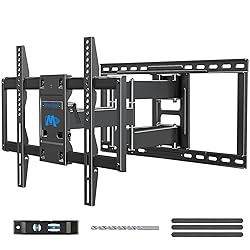
Do not drill directly through the container roof for panel mounts — every penetration is a potential leak point. Use adhesive-mounted Z-brackets or clamp-on rail systems designed for standing-seam metal roofs. If you must penetrate, use proper flashing boots with butyl tape and lap sealant rated for metal roofing.
Water Systems

Rainwater Collection
A 40-foot container roof is roughly 320 sq ft of collection area. In a region receiving 30 inches of annual rainfall, that yields approximately 6,000 gallons per year — enough for a conservative single-person household but tight for two people. Add a secondary collection surface (a porch roof or awning) to boost capacity.
Use food-grade IBC totes (275-gallon) for storage. They’re affordable, stackable, and fit neatly alongside or beneath a container. A first-flush diverter on each downspout keeps roof debris and bird droppings out of your storage.
Filtration
For potable use, run collected rainwater through a two-stage system:
- Sediment pre-filter (5-micron) to catch particulates
- Activated carbon + UV sterilization — a unit like the VIQUA VH200 handles bacteria and protozoa without chemicals
If you’re on well water, get it tested first. Iron and manganese are common in rural wells and require additional treatment stages.
Greywater and Waste
Container homes in most jurisdictions still need a septic system or composting toilet for black water. A Nature’s Head composting toilet eliminates the need for a septic system for human waste and uses almost no water — a significant advantage when your water supply is finite.
Ventilation and Climate Control
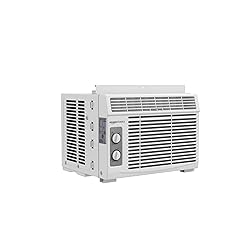
Steel containers have zero natural air exchange. Without mechanical ventilation, moisture from cooking, breathing, and bathing will condense on any cool surface and breed mold within weeks.
At minimum, install:
- A heat recovery ventilator (HRV) or energy recovery ventilator (ERV) for continuous fresh air exchange without dumping your conditioned air outside
- A range hood vented to exterior over the cooking area
- A bathroom exhaust fan if you have an enclosed shower
For cooling, a mini-split heat pump like the MRCOOL DIY series (12,000 BTU) handles both heating and cooling for a single container. These draw 500–1,200W, so size your solar and battery system accordingly if you plan to run one.
Common Mistakes
Skipping the structural engineer. Cutting openings for windows and doors removes material from a load-bearing structure. Every opening larger than the existing door needs steel reinforcement (typically a welded header and jack studs). An improperly cut container can rack or sag under its own weight, especially with a green roof or snow load.
Using interior stud walls without vapor management. Framing 2×4 walls inside a container and filling them with fiberglass batts is a recipe for hidden condensation. The steel shell stays cold, moisture migrates through the batts, and you get mold between the insulation and the container wall — invisible until the damage is severe. Closed-cell spray foam or a continuous exterior vapor barrier solves this.
Underestimating site prep costs. A 40-foot loaded container weighs 10,000–12,000 lbs. You need compacted gravel pads or concrete piers, and crane or tilt-bed delivery access. Many rural properties require road improvements, tree clearing, or grading before a container can even reach the building site. Budget $2,000–$8,000 for site work.
Ignoring local codes. Some counties welcome container homes; others classify them as temporary structures or ban them outright. Check zoning, building codes, and HOA restrictions before purchasing. A container sitting on a property without permits can result in fines or forced removal.
Our Recommendations
Best Insulation Kit for DIY Builds

Froth-Pak 620 Spray Foam Kit — Closed-cell, 2-component kit that covers approximately 620 board feet at 1-inch thickness. Two to three kits will insulate a 40-foot container to R-13. No professional equipment needed, though proper PPE (respirator, Tyvek suit, goggles) is mandatory.
Best Composting Toilet for Container Homes

Nature’s Head Self-Contained Composting Toilet — Compact footprint fits tight container bathrooms. Uses a 12V fan for ventilation (draws under 2W). Two adults can go 4–6 weeks between emptying the solids bin, based on manufacturer specs and consistent owner reports. No plumbing, no septic, no water use.
Best Mini-Split for Off-Grid Container Cooling/Heating

MRCOOL DIY 12,000 BTU Mini-Split — Pre-charged line set means no HVAC technician needed for installation. Handles both heating (down to 5°F) and cooling. At 12,000 BTU, it’s correctly sized for a single 40-foot container — oversizing causes short-cycling and humidity problems.
FAQ
How much does a shipping container home cost to build off-grid?
A basic, livable single-container build typically runs $25,000–$50,000 including the container, insulation, interior framing, electrical, plumbing, solar power system, and water infrastructure. Multi-container builds or high-end finishes can push past $80,000. The container itself is often only 10–15% of the total project cost.
Do shipping container homes need a foundation?
Yes. At minimum, you need leveled concrete piers or blocks under the four corner castings and at mid-span points. A full perimeter foundation or slab is required in many jurisdictions and recommended in areas with frost heave, high winds, or seismic activity. Pier foundations typically cost $1,500–$4,000 installed.
How long do shipping container homes last?
Corten steel containers are designed for 25+ years of ocean service. With proper insulation, rust prevention, and maintenance, a container home can last 50+ years on land. The main enemies are trapped moisture (from poor insulation detailing) and ground contact without drainage — both are preventable with proper design.
Can I legally live in a shipping container home?
Legality varies by county and municipality. Many rural counties allow container homes as permanent dwellings if they meet building code requirements (insulation, egress windows, smoke/CO detectors, sanitation). Some areas restrict them to accessory dwelling units or agricultural buildings. Always check local zoning and obtain permits before starting construction.
Is a shipping container home actually cheaper than a traditional house?
Per square foot, container homes often cost $75–$150/sq ft fully finished — comparable to conventional construction in many markets. The real advantages are speed of construction (many builds complete in 3–6 months), structural durability, and the ability to pre-fabricate sections off-site. Cost savings are most significant when you do substantial labor yourself and when the alternative is building in a remote location where material delivery is expensive.