Off-Grid Living: Save $50K+ (Budget Guide)
Off-Grid Living Costs Breakdown 2024: Complete Budget Guide
Direct Answer
Off-grid living costs range from $20,000–$150,000+ for initial setup, depending on location and self-sufficiency level. Annual operating expenses typically run $3,000–$12,000, covering maintenance, propane, water systems, and food production. Solar power systems dominate startup costs ($10,000–$40,000), while land acquisition varies dramatically by region.
Expanded Answer: Off-Grid Home Expenses & Initial Investment
We’ve spent enough time hiking remote trails to understand why people want to live off-grid—and We’ve researched this thoroughly because sustainable living and gear investment share the same DNA: preparation, quality equipment, and honest cost accounting.
Initial Setup Breakdown (Year 1)
Your biggest expense is energy independence: solar panels, batteries, and inverters run $10,000–$40,000 depending on household size and consumption. A modest 5kW system costs around $12,000–$15,000 after installation. Battery backup (essential for winter months and cloudy seasons) adds $8,000–$20,000 for lithium or lead-acid options.
Water systems are non-negotiable and cost $3,000–$10,000. This includes well drilling ($2,000–$5,000), pumps, filtration, and storage tanks. If you’re on rainwater collection alone, expect $1,500–$3,000 for cisterns and first-flush diverters.
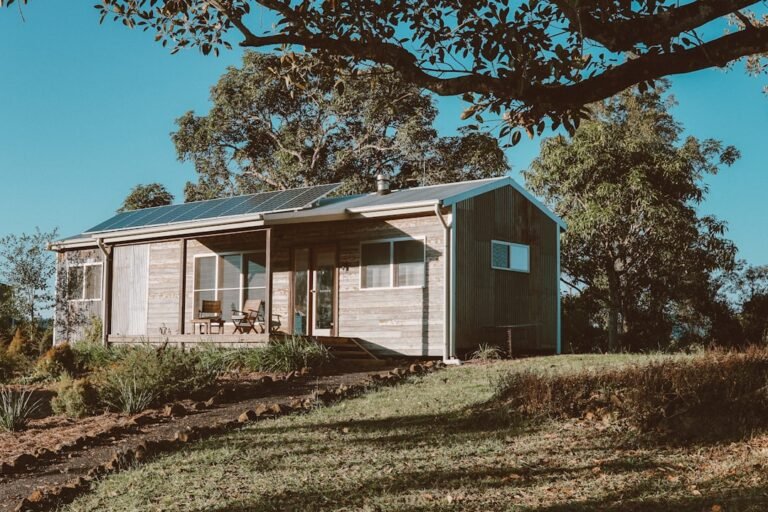
Shelter costs vary wildly. Building a small cabin ($500–$1,000 per square foot) or mobile tiny home runs $20,000–$80,000. Land acquisition depends entirely on region—rural Tennessee might be $5,000/acre while Colorado can hit $15,000+/acre.
Heating and cooking infrastructure (propane tanks, wood stove, or alternative systems) costs $2,000–$8,000 including installation.
Waste management systems (composting toilets, greywater systems, septic alternatives) run $1,500–$5,000.
Total realistic first-year investment: $35,000–$130,000 for a functioning homestead on already-owned land. Add $10,000–$60,000 if purchasing property.
Homesteading Budget Guide: Annual Operating Costs
Off-Grid Insider
Get off-grid guides & gear picks in your inbox — free
Once systems are installed, year-two and beyond shift to maintenance and supplies.
Annual operating expenses typically include:
- Propane: $1,200–$2,400 (heating, cooking backup)
- Solar maintenance & battery replacement: $500–$1,500 annually
- Water system maintenance: $300–$800
- Food production inputs (seeds, tools, amendments): $400–$1,200
- Internet/communication (satellite): $100–$200
- Vehicle fuel (for supply runs): $1,500–$3,000
- Tools, repairs, unexpected fixes: $1,000–$2,000
Total annual operating budget: $5,000–$11,000
This assumes you’re producing 40–60% of food, managing your own repairs, and living frugally. Families with higher consumption or less DIY capacity can expect $12,000–$18,000 annually.
Starting Off-Grid Investment: How Much Do You Actually Need?
The honest answer: it depends on compromise levels.
Minimal investment scenario ($20,000–$40,000):
– Buy existing property with shelter
– Install solar-only system (no batteries)
– Use municipal water where possible
– Work part-time remote job for cash flow
– Grow food seasonally
This works if you’re risk-tolerant and prepared to handle winter without power backup or adjust your lifestyle seasonally.
Moderate investment ($60,000–$100,000):
– Small land purchase + basic shelter
– Complete solar + battery system
– Well or rainwater + filtration
– Backup propane heating
– Modest food production space
Comfortable investment ($120,000–$180,000+):
– Purchased land in desirable location
– New or well-maintained shelter
– Redundant power systems (solar + wind or backup generator)
– Professional-grade water systems
– Greenhouse or extensive garden infrastructure
Most people underestimate the “hidden costs”—permits ($500–$3,000), professional inspections ($1,000–$2,000), and the learning curve where you’ll make expensive mistakes. Budget an additional 15–20% for surprises.
What Solar System Size Do I Need for Off-Grid Living?
System sizing depends on daily consumption. Most off-grid homes use 10–20 kWh daily (versus 30 kWh for grid-connected homes).
A 5kW solar array with 15–20 kWh battery storage handles moderate usage. This costs $12,000–$18,000 installed.
For cold climates with winter cloud cover, plan 6–8kW arrays and 25–30 kWh storage: $18,000–$28,000.
Reality check: If you’re used to grid living with AC running all day, your first year involves brutal consumption reductions. Smart metering ($200–$500) helps you track and optimize quickly.
How Much Does Off-Grid Land Cost?
Land prices vary by:
– Rural zones: $3,000–$8,000/acre (Midwest, South)
– Mountain/forest: $5,000–$12,000/acre (Colorado, Oregon, Appalachia)
– Desirable regions: $10,000–$25,000/acre (California, Vermont, upstate New York)
– Prime off-grid areas: $15,000–$40,000+/acre
Hidden costs: Survey ($500–$1,500), title insurance ($1,000–$2,500), legal review ($800–$2,000), and zoning confirmation ($300–$1,000).
A realistic 5-acre purchase in medium-cost regions runs $25,000–$60,000 plus closing costs.
Can You Start Off-Grid on a Budget?
Yes—if you’re willing to start small and iterate.
Phase your investment: secure property first (even leased land), install solar and basic water systems year one ($15,000–$25,000), add battery storage year two ($8,000–$12,000), and build infrastructure over 3–5 years.
Many successful off-gridders started with RVs or tiny homes they already owned, added solar incrementally, and scaled food production gradually. This stretches costs across time rather than requiring a lump sum.
Working remotely (We’d suggest jobs with flexible hiking-friendly schedules) provides steady cash flow to fund ongoing improvements.
What’s the Biggest Cost Surprise for Off-Grid Beginners?
Battery replacement cycles. People budget for solar panels thinking they’re permanent—they are. But lithium batteries last 10 years ($0.08–$0.12 per kWh annually), lead-acid 5–7 years ($0.15–$0.20 per kWh annually).
If you have 20 kWh storage, that’s $1,600–$2,400 annually for eventual replacement. It sneaks up on you financially.
Second surprise: water system complexity. Simple rainwater collection works until it doesn’t (drought, freeze cycles, contamination). Wells and filtration require professional maintenance—not DIY territory.
Should You Buy Off-Grid Ready Property?
Property with existing systems costs 30–50% more initially but saves $20,000–$40,000 in installation labor and mistakes.
If you’re not mechanically confident, this premium is worth it. Buying “off-grid ready” means systems are already permitted and functional—invaluable peace of mind.
However, verify all systems work before purchase and budget $3,000–$5,000 for professional inspections.
Off-Grid Tools & Gear Investment (The Hiking Connection)

Off-grid systems need appropriate infrastructure gear:
- Digital multimeter for solar troubleshooting: $30–$100
- Water testing kit: $50–$200
- Battery monitor system: $200–$800
- Quality gardening tools (digging, weeding): $100–$300
- Headlamps and work lights: $50–$150 (because darkness is real off-grid)
Invest in tools early—they’re write-offs that prevent costly emergency calls.
Summary
Off-grid living in 2024 requires $35,000–$130,000 upfront for complete systems on owned land, with $5,000–$12,000 annual operating costs afterward. Start with land acquisition, prioritize solar and water systems, and phase investments over 3–5 years if budget-conscious. Most successful off-gridders treat it like trail preparation: proper planning, quality initial gear, and realistic expectations about ongoing maintenance.