Top Products
Our Buying Guides Picks
All Buying Guides Articles
-
It seems the file tools aren’t available in this environment. Here’s the complete article: If you’re setting up an off-grid property, the toilet question hits early — and the budget implications are bigger than most people expect. An outhouse costs almost nothing upfront, but a composting toilet can save you thousands over a decade in…
-
Living off-grid means you’re often miles from the nearest neighbor — and even further from the nearest sheriff’s deputy. Response times to remote properties can stretch past 30 minutes, sometimes over an hour. That reality makes property security something you have to own entirely yourself. We’ve researched the most practical, field-proven approaches to locking down…
-
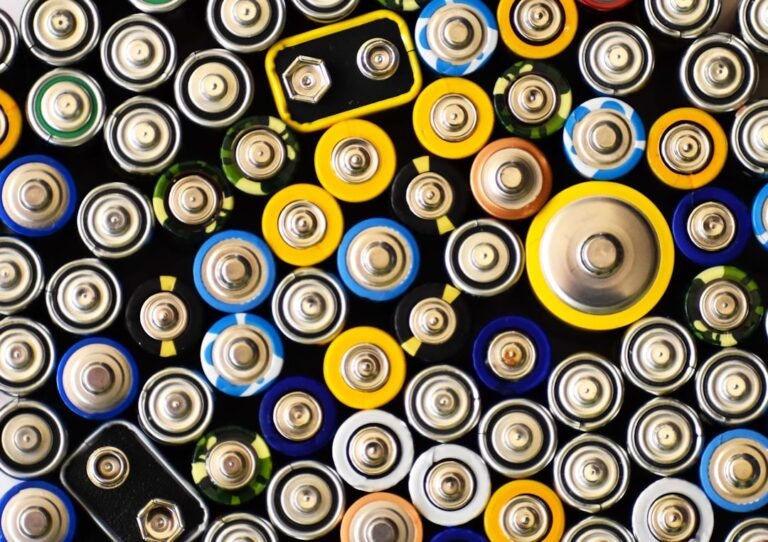
Lithium batteries are the single most expensive component in most off-grid power systems — and the one most likely to fail prematurely if neglected. A quality lithium iron phosphate (LiFePO4) bank can last 10+ years and 4,000+ cycles, but only if you stay on top of a handful of maintenance tasks that are easy to…
-
Living off-grid doesn’t mean living offline — but figuring out how to actually get reliable internet when you’re miles from the nearest cable drop is one of the most common headaches we hear about. Whether you need connectivity for remote work, telehealth, homeschool resources, or just staying in touch, the options have expanded dramatically in…
-
If you’re growing food off-grid, you already know the frustration: your tomatoes finally hit their stride in August, and by September the first frost wipes them out. A standard growing season in USDA zones 3–6 gives you maybe 90–150 frost-free days — not nearly enough to grow the variety of food a self-sufficient homestead demands….
-
Every off-grid property generates 40–60 gallons of greywater per person per day from sinks, showers, and laundry. That water is either a waste-disposal headache or a resource that irrigates your food garden and recharges your soil — the difference comes down to how you design the system. A poorly built greywater setup breeds mosquitoes, contaminates…
-
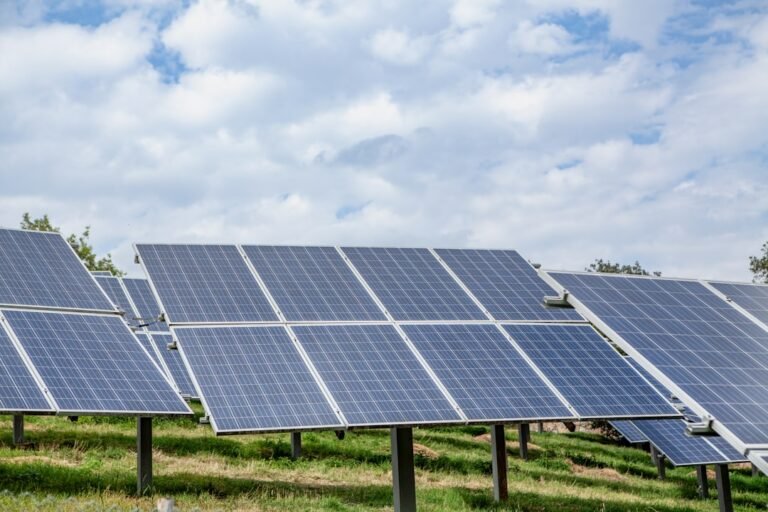
Picking the wrong inverter size is one of the most expensive mistakes in off-grid solar. Go too small and your system trips out every time you run a coffee maker and a well pump at the same time. Go too big and you waste hundreds of dollars on capacity you’ll never touch — plus oversized…
-
Sizing your off-grid battery bank wrong means one of two things: you either run out of power on a cloudy Tuesday afternoon, or you spend thousands extra on capacity you’ll never touch. Neither is a good outcome, and both are surprisingly common because most guides hand you a formula without explaining the real-world variables that…
-
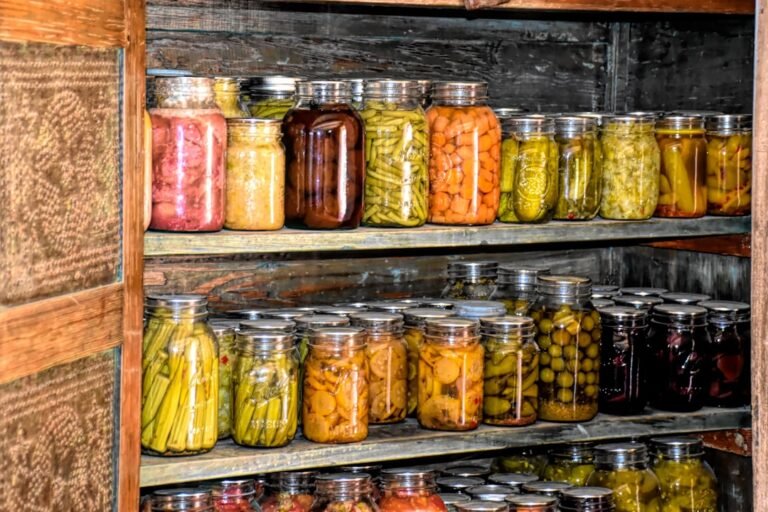
If you’re growing food off-grid but losing a third of your harvest to spoilage, you don’t have a production problem — you have a storage problem. A properly built root cellar keeps vegetables, canned goods, and fermented foods viable for 4–8 months without a single watt of electricity. We’ve dug into building science, USDA food…
-
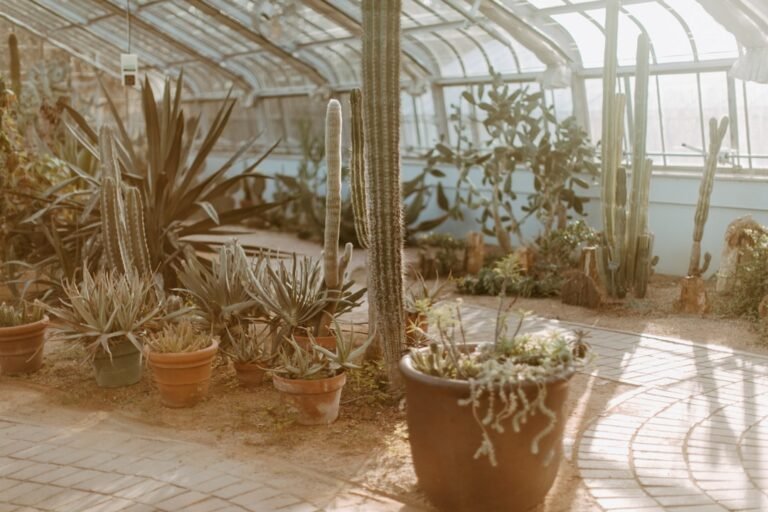
Growing food year-round without grid power sounds ambitious, but thousands of homesteaders pull it off every season with the right greenhouse setup. The challenge isn’t just building four walls and a roof — it’s designing a structure that holds heat through freezing nights, manages moisture without electric ventilation, and actually produces enough to justify the…