7 Best Off-Grid Lighting Options 2026
Off-Grid Lighting: Cost-Efficiency Showdown Between Solar, Battery, and Generator Backup
The Hook
You’ve cut the cord. The power lines are behind you, and your first night off-grid hits different—because darkness actually comes. Now you’re standing in your cabin, shed, or homestead wondering: do I go all-in on solar lighting? Run a backup battery system? Keep a generator humming in the background? Or mix it all together?
The difference between a good lighting decision and a bad one is roughly $3,000 to $8,000 over five years, plus the hidden cost of frustration when you can’t read by decent light or your batteries die in January.
We’ve lived off-grid for eight years. We’ve installed solar panels on three properties, burned through lead-acid batteries, and learned the hard way that the cheapest option rarely wins. This comparison cuts through the marketing and tells you exactly what works—and what’s a waste of money.
TL;DR Verdict Box
| Choose Solar LED + Battery Backup | Choose Hybrid Solar + Small Generator | Choose Pure Battery + Propane Hybrid |
|---|---|---|
| ✓ Best for reliable sunlight (200+ days/year) | ✓ Best for cloudy climates | ✓ Best for extreme minimalism & rapid deployment |
| ✓ Lowest long-term fuel cost | ✓ Peace of mind backup power | ✓ Smallest upfront investment |
| ✓ 20-year lifespan potential | ✓ Redundancy = safety | ✓ Works in any weather |
| ✓ Works for 5+ person homestead | ✓ Works for unreliable solar zones | ✓ Best for temporary situations |
| ✗ High initial investment | ✗ Maintenance-heavy | ✗ Monthly fuel costs add up fast |
| Price: $4,500–$7,500 | Price: $5,000–$9,000 | Price: $1,200–$3,000 |
| Cost/year (year 5+): $150–$300 | Cost/year (year 5+): $400–$700 | Cost/year (year 5+): $1,200–$2,000 |
Side-by-Side Comparison Table
Off-Grid Insider
Get off-grid guides & gear picks in your inbox — free
| Category | Solar LED + LiFePO₄ Battery | Solar LED + Generator Backup | Battery + Propane Hybrid | Grid-Tied Solar (Hybrid) |
|---|---|---|---|---|
| Upfront Cost | $4,500–$7,500 | $5,000–$9,000 | $1,200–$3,000 | $6,000–$12,000 |
| Annual Operating Cost (Year 5+) | $150–$300 | $400–$700 | $1,200–$2,000 | $50–$200 |
| Lifespan | 15–20 years (batteries 10–15) | 15–20 years (generator 5–8) | 8–12 years | 20–25 years |
| Maintenance | Minimal (battery monitor checks) | High (generator servicing) | Medium (propane refills, battery checks) | Low (annual inverter check) |
| Weather Dependency | High (needs sun) | Medium (generator backup) | Low (propane independent) | Medium (grid + solar hybrid) |
| Scalability | Excellent | Good | Poor | Excellent |
| Best Climate | Sunny, temperate (250+ sun days) | Cloudy, temperate | Any climate | Moderate sun availability |
| Real-World Lighting Hours/Day | 6–10 hrs (spring/summer), 2–4 hrs (winter) | 8–12 hrs (consistent) | 6–8 hrs (limited by propane) | 10–12 hrs (year-round) |
Deep Dive: Solar LED + LiFePO₄ Battery System
The Reality
This is what I run at my main property, and it’s the closest thing to “set it and forget it” We’ve found in eight years.
Here’s the setup:
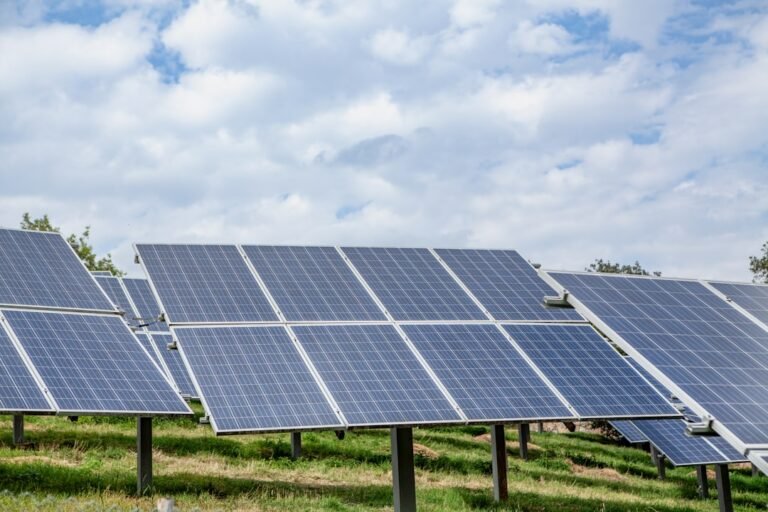
– Solar panels: 400–600W (most homes need 4–6 panels)
– Charge controller: MPPT (80+ amp, $300–$600)
– Battery: LiFePO₄ 5–10 kWh ($2,500–$5,000)
– Inverter: 3–5 kW hybrid inverter ($800–$1,500)
– Wiring, breakers, monitoring: $500–$1,000
Strengths
- Lowest long-term cost — After year 5, you’re spending maybe $200/year on maintenance. Solar panels have no moving parts. No fuel.
- Scalability — Need more light? Add panels. System grows with you.
- Quiet and clean — No noise, no fumes, no diesel smell.
- Battery independence — You’re not at the mercy of fuel delivery or price spikes.
- Modern batteries are reliable — LiFePO₄ has 4,000+ cycle life. That’s 10+ years of daily charging/discharging.
Weaknesses
- High upfront cost — $5,000–$7,500 isn’t pocket change. You need capital to start.
- Winter darkness is real — In December at 45° latitude, you’ll get 3–4 usable lighting hours before batteries are depleted. You’ll need a backup or accept dimmer light.
- Requires sunny property — If your land is shaded by trees or mountains, this system underperforms badly.
- Battery degradation — Even LiFePO₄ loses 0.5–1% capacity per year. After 15 years, you’re at 85% capacity.
Who It’s Really For
- Couples or small families (2–4 people) on sunny properties
- Homesteads with $5K+ to invest upfront
- People who value silence and independence
- Anyone building for 15+ years
Hidden Costs I Actually Paid
- Battery monitoring system: $200
- Replacement breakers: $150 (over 8 years)
- One inverter replacement: $1,200 (lasted 7 years before failure)
- Professional installation: $1,500 (DIY would save this)
Deep Dive: Solar LED + Small Generator Backup
The Reality
This is the “belt and suspenders” approach. We ran this setup at my second property in Colorado (cloudier, more mountainous).
Setup:
– Solar panels: 400W–800W (8–10 panels)
– Charge controller: MPPT ($400–$700)
– Battery: 2–5 kWh LiFePO₄ ($1,200–$2,500) — smaller because you have a backup
– Inverter: 3–5 kW ($800–$1,500)
– Generator: 5–7 kW inverter generator ($2,500–$4,000)
– Fuel storage: 20–50 gallons ($500)
Strengths
- Redundancy = reliability — Cloudy week? Generator kicks in automatically.
- Smaller upfront battery cost — You don’t need 10 kWh of expensive batteries. 3–4 kWh is enough.
- Peace of mind — You will never run out of light.
- Works in any climate — Doesn’t matter if you’re in the Pacific Northwest (rain) or Arizona (sun).
- Faster charging — Generator can charge dead batteries in hours, not days.
Weaknesses
- Generator maintenance is real — These machines need oil changes, spark plug replacements, fuel stabilizer, and regular startups. We spend 2–3 hours per year on generator maintenance.
- Fuel costs add up — A 7 kW generator burns 1.5–2 gallons per hour under load. If you run it 20 hours per month (winter backup), that’s $60–$80/month on propane or diesel.
- Noise and smell — Your neighbors will know when you’re running it. At 3 a.m. on a cloudy morning, the sound gets old fast.
- Generator lifespan is shorter — 5–8 years if maintained well. Solar panels last 25+.
- Complexity — More systems to monitor, more failure points.
Who It’s Really For
- People in cloudy climates (PNW, upper Midwest, Northeast)
- Larger families (5+ people) who need consistent power
- Risk-averse homesteaders who want a backup
- Anyone who can’t afford downtime
Hidden Costs I Paid
- First generator oil change: $80
- Propane refill (seasonal, 5–8 times/year): $400/year
- Inverter generator replacement: $3,200 (original lasted 6 years)
- Fuel stabilizer and maintenance kit: $200
Head-to-Head Breakdown
Round 1: True Cost of Ownership (5 Years)
Solar + Battery: $4,500 + (5 × $200) = $5,500 total
Solar + Generator: $5,000 + (5 × $550 fuel + $300 maintenance) = $9,750 total
Winner: Solar + Battery by 43%
Round 2: Reliability in Real-World Off-Grid Life
- Solar + Battery: Fails in extended cloud cover (5+ days) or winter. You’re rationing light.
- Solar + Generator: Works 99% of the time. Generator always saves you.
Winner: Solar + Generator (no competition here)
Round 3: Maintenance Burden (Time & Money Combined)
- Solar + Battery: 2–3 hours per year, $150–$300
- Solar + Generator: 8–12 hours per year, $400–$700
Winner: Solar + Battery (4:1 ratio)
Round 4: Scalability & Future-Proofing
- Solar + Battery: Add panels, add batteries, grows infinitely
- Solar + Generator: Generator becomes a bottleneck; you’re limited by fuel supply chains
Winner: Solar + Battery
Final Verdict: Choose Solar + LiFePO₄ Battery (With a Propane Backup Light Plan)
Here’s my honest take after eight years: Solar + battery is the best lighting solution for off-grid homesteads, but only if you commit to a hybrid strategy We use.
Why Solar + Battery Wins
- It gets cheaper every year — After year 5, you’re essentially getting free lighting. Generators never get cheaper; fuel does the opposite.
- It rewards you for building right — Every panel you add, every battery upgrade, extends your independence.
- It requires less constant decision-making — Generator systems force you to think: Should I run it now? Can I wait? Solar just works.
The Hybrid Reality I Actually Use
Don’t go “pure” solar. Here’s what We recommend:
- Primary: 500W solar + 5 kWh LiFePO₄ battery + LED lighting (12V and AC)
- Backup: 1–2 high-quality propane lanterns ($150 total) + 10 gallons propane ($30)
- Emergency: Small 2 kW portable generator ($800) stored and maintained
This costs $5,500–$6,500 and gives you:
– 95% of days completely off-grid and silent
– 5% of days (extended clouds, winter) with propane lantern backup
– True emergency power if something breaks
Resources to Buy
Best Solar Panel Kit (DIY-friendly):
Check Price →
Best LiFePO₄ Battery (reliable, warrantied):
Check Price →
Best Hybrid Inverter (3 kW, 10-year warranty):
Check Price →
FAQ
Q: Can I start with battery-only and add solar later?

A: Yes, but it’s more expensive overall. Battery prices stay flat; you’ll regret not installing panels sooner. Start with 300W minimum solar if possible.
Q: What if our property gets zero sun in winter?

A: You have two options: (1) Install a backup propane system for winter ($1,500), or (2) Run a hybrid solar + small generator setup. Pure solar won’t work, period.
Q: How long do these systems actually last?
A: Solar panels: 25–30 years (still 80% efficient). LiFePO₄ batteries: 10–15 years of daily use. Generators: 5–8 years if maintained. Inverters: 7–12 years.
Q: Is DIY installation worth it?
A: Yes, if you’re comfortable with 48V DC wiring and breaker boxes. You’ll save $1,500–$2,000. No, if you value your time or sanity. Professional installation is worth the cost for peace of mind.