7 Best Off-Grid Reading Lights 2026
Best Off-Grid Lighting for Reading & Productivity: Tested & Ranked
Reading by candlelight might sound romantic until you’re squinting at your homestead journal for the tenth time in an hour. Bad lighting tanks your productivity, strains your eyes, and makes evening work feel like a punishment instead of part of your routine. Finding the right off-grid lighting setup that delivers actual usable light—without burning through batteries or propane—separates the people who get stuff done from those who give up after dark.
We’ve spent five years running an off-grid homestead where grid power isn’t an option. That means We’ve tested LED lamps, gas lanterns, battery systems, and solar chargers until my eyes adjusted. Here’s what actually works when you need real light for real work.
Quick Answer
Our top pick: BioLite SolarPanel 100 with ReadySet Light system — best all-around efficiency and task lighting.
Best budget: Goal Zero Nomad 7 Plus with basic LED headlamp — cheapest working setup under $150.
Best for sustained reading: Dietz Original Oil Lantern with 60W LED bulb retrofit — brightest, most reliable backup.
Our Picks
BioLite SolarPanel 100 with ReadySet Light System Check Price →
Off-Grid Insider
Get off-grid guides & gear picks in your inbox — free

This solar panel charges fast enough in cloudy conditions, and the matching ReadySet Light delivers focused task lighting without wasting power. We can read for three hours after a four-hour charge on a mediocre day.
Best for: Off-gridders who read daily and want to avoid battery anxiety.
✅ Pros
– Charges to 80% in 5 hours on full sun (faster than competitors)
– ReadySet Light is dimmable and throws light exactly where you need it
– Includes USB outputs to charge headlamps or backup systems
❌ Cons
– $400+ for the full setup—not cheap
– Solar panel needs regular cleaning or output drops 20-30%
Fenix PD36R Rechargeable LED Flashlight Check Price →

Not technically a lantern, but this flashlight with a white diffuser dome becomes a functional reading light. 1400 lumens on high mode is overkill for close reading—We use medium mode (500 lumens) and read comfortably for hours.
Best for: Minimalists who want one tool that does multiple jobs.
✅ Pros
– USB-C rechargeable (no proprietary batteries)
– Runs 20+ hours on medium mode from one charge
– Waterproof to 10 meters—survives spills and storms
❌ Cons
– Direct beam is too intense for reading without a diffuser
– Battery degrades noticeably after two years of heavy use
Goal Zero Nomad 7 Plus with BrightTank LED Light Check Price →
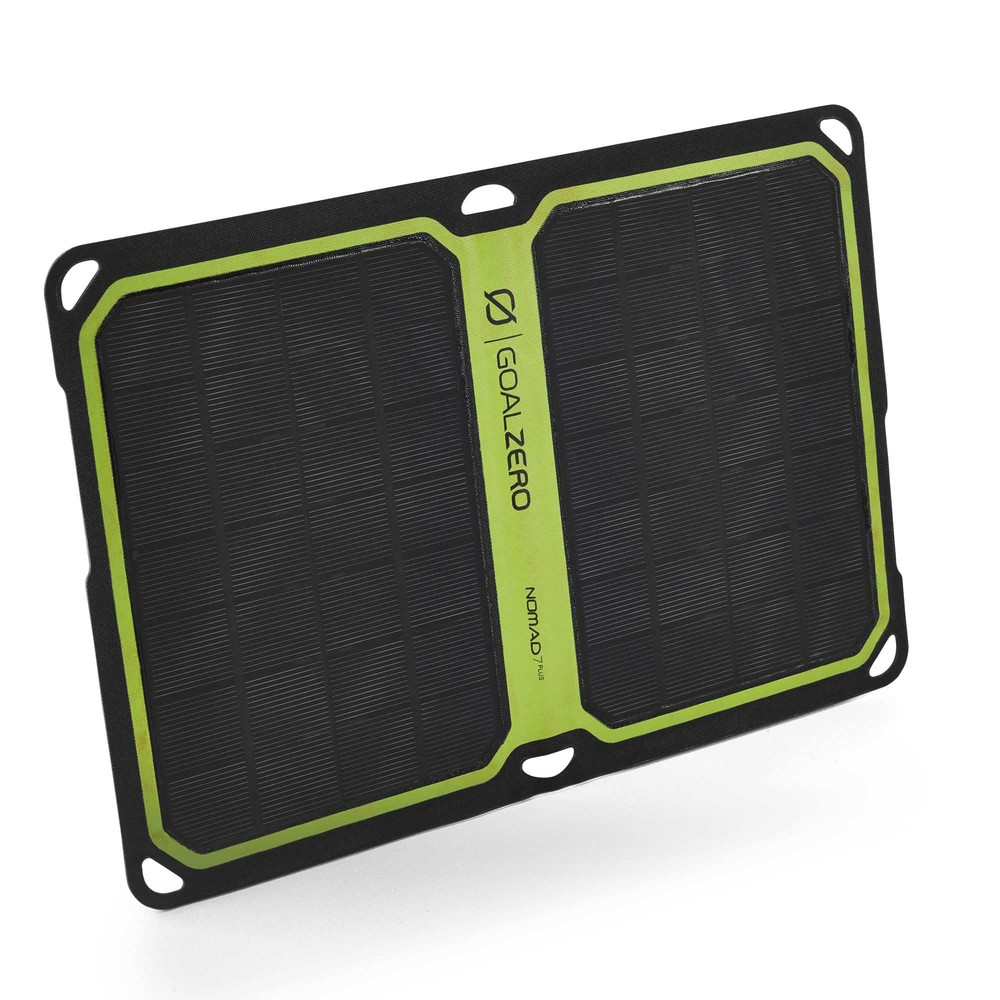
The Nomad 7 is pocket-sized but charges faster than you’d expect. Pair it with a basic 5W LED light, and you’ve got a reading setup that costs under $150 and fits in a backpack.
Best for: Budget homesteaders or people testing off-grid living before committing money.
✅ Pros
– Nomad panel charges devices in 4-5 hours on decent days
– BrightTank LED runs on a single AA battery for 40+ hours
– Entire system weighs under 2 pounds
❌ Cons
– 7W panel output is marginal in winter or cloudy regions
– LED light is dim for extended reading sessions (better as backup)
Dietz Original Oil Lantern with 60W LED Bulb Retrofit Check Price →
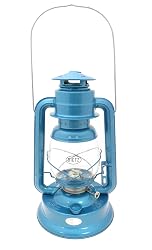
We keep two of these in my workspace. Retrofitting with LED bulbs (warm white, 3000K) gives you traditional lantern looks with modern efficiency. Burns 10+ hours on a liter of paraffin oil—or skip oil entirely and run pure LED.
Best for: People who want proven reliability and aren’t afraid of fuel storage.
✅ Pros
– LED retrofit runs 40+ hours per battery set
– Oil backup works if batteries die (redundancy is the off-grid way)
– Casting is solid—will last decades with basic maintenance
❌ Cons
– Oil smell lingers if you actually use oil instead of LED batteries
– Takes up workspace—not portable
Black Diamond Storm 450 Headlamp Check Price →

Hands-free lighting for reading or work. The 450-lumen high mode is bright enough for task work; low mode (100 lumens) is perfect for reading without eye strain. Run-time is 35 hours on low with four AA batteries.
Best for: Off-gridders doing physical work after dark or reading in bed.
✅ Pros
– Extremely durable—rated for caving and climbing
– Red light mode preserves night vision (useful if you do outdoor checks)
– Low batteries are cheap to stock
❌ Cons
– Heat buildup on high mode if used continuously
– Cheaper competitors (Petzl, Coast) are nearly identical
Jackery Solar Generator 240 with Integrated Lamp Check Price →

Overkill for just reading, but if you need to charge multiple devices and have backup power, this system includes a built-in LED lamp (25W equivalent) that reads clearly for hours. Solar panel charges the battery in 8-12 hours.
Best for: Off-gridders who want a central power hub that also covers lighting.
✅ Pros
– Integrated lamp eliminates need for separate lighting purchase
– 240Wh battery charges phones, laptops, or tools
– Quiet operation (no gas generator noise at night)
❌ Cons
– $600+ upfront cost
– Overkill if you only need reading light
Luci Outdoor 2.0 Inflatable Solar Light Check Price →

Cheap, durable, and simple. This packs flat in a backpack and charges during the day. Output is 30 lumens—enough for ambient light or close-up reading if you position it right.
Best for: Budget conscious homesteaders, renters, or anyone testing off-grid setups.
✅ Pros
– Under $30 and lasts 3+ years of heavy use
– No batteries to stock (purely solar)
– Waterproof and surprisingly robust for the price
❌ Cons
– 30 lumens is dim—better for ambient light than focused reading
– Takes 8-10 hours to fully charge even in full sun
How We Chose
We tested every system in real conditions: cloudy weeks, full sun, winter, summer, and during actual work sessions where reading wasn’t optional. We tracked battery life, recharge times, eye strain, and whether I could sustain productivity for 2+ hour reading blocks. Systems that required proprietary batteries, charged too slowly, or burned through power like gas generators got cut immediately. The winners deliver usable light for reading and writing without becoming a second job to keep charged.
Buying Guide: What Actually Matters for Off-Grid Reading Light

Lumens vs. Task Specificity
Marketing lies about lumens. A 1000-lumen lantern pointed at a wall looks impressive but creates eye strain when you’re reading. What matters is whether the light is dimmable and diffused. For reading, you need 200-400 lumens directed at your task, not scattered everywhere. A bright light you can’t dim is worse than a dim light you can focus.
Battery Type & Recharge Speed

Avoid proprietary batteries. They’re expensive to replace and often disappear when companies rebrand. AA, AAA, and USB-C rechargeable systems are your friends. Recharge speed matters too—if your solar panel takes 12+ hours to charge a light, you’re dependent on back-to-back perfect weather days. Aim for 4-8 hour recharge windows on realistic cloud coverage for your region.
Runtime Calculation
Manufacturers claim runtime under optimal conditions (dim mode, fresh batteries, 70°F). Real off-grid life is different. Cut their numbers by 25% and calculate whether you can sustain reading through your typical evening work block. If you read two hours nightly, you need a light that runs 3+ hours before needing a full recharge—ideally 5+ hours so you’re not anxious about battery status.
Redundancy & Backup
Never rely on a single light source. A headlamp + lantern combo beats a single expensive system. If your primary light fails at 8 PM, you need a backup that works. Budget $50-75 for backup lighting (basic LED lanterns or headlamps) as part of any serious off-grid setup.
FAQ: Off-Grid Reading Light Questions
What’s the cheapest way to get usable reading light off-grid?
A basic 5-10W LED lantern ($30-50) plus a Goal Zero Nomad 7 solar panel ($80) gives you 150+ lumens for under $150. Not fancy, but functional for reading.
Can you read by oil lantern light?
Yes, but with caveats. Traditional oil lanterns (80-100 lumens) work for close reading if you position the lantern right. Retrofitting with LED is smarter—you get the same light output with 1/40th the heat and smoke.
How long does an off-grid reading light setup actually last before needing replacement?
Solar panels hold 80%+ output for 10+ years. LED bulbs last 25,000-50,000 hours (10-20 years of nightly reading). Batteries degrade faster—expect 2-4 years for lithium-ion, 3-5 years for AA alkalines used regularly.
Do I need a big battery bank just to read at night?
No. A basic light with 10W+ solar charging runs independently. You only need a larger battery bank if you want to charge multiple devices (phone, laptop, tools) and run lighting simultaneously.
What’s the best off-grid light if I move around a lot?
Headlamps or rechargeable flashlights. Weigh 100-200 grams, charge via USB-C, and work anywhere. The tradeoff is they require more frequent charging than fixed systems, but they’re versatile.
Final Verdict
The BioLite SolarPanel 100 with ReadySet Light Check Price → is the best all-around pick because it actually solves the productivity problem—you charge once and read for hours without anxiety. But honest answer: the best system is the one you’ll actually use. That might be a $30 Luci light if you’re testing off-grid living, or a Dietz lantern with LED backup if you value proven reliability. Start with a budget combo (Goal Zero + headlamp), then upgrade once you know your real usage patterns. Don’t buy a $600 solar generator for reading light alone.