5 Best Off-Grid Reading Lights 2026
Best Off-Grid Lighting System for Reading at Night: Tested & Ranked
Reading by lamplight is one of those underrated homesteading pleasures—but only if your lighting doesn’t strain your eyes into useless mush by 8 PM. Most off-gridders We know fumble through darkness with whatever solar lantern they grabbed at the hardware store, then wonder why they can’t focus on a single page. The truth: not all off-grid lighting works for sustained reading. You need brightness, consistency, color temperature, and a power source that won’t ghost you mid-chapter.
We’ve burned through roughly a dozen different systems over the past five years—everything from DIY LED arrays to premium battery-powered reading lights—and We’re sharing exactly what actually works when you’re living without grid power.
Quick Answer
Our top pick: BioLite BaseCamp Check Price → — 1500 lumens, excellent color rendering, rechargeable battery lasts 12+ hours at half brightness.
Best budget: Nitecore NU25 headlamp with stand Check Price → — $30, hands-free reading, reliable 360-lumen output.
Best for extended reading sessions: Goal Zero Nomad 7 Plus + Luci solar light array Check Price → — solar charging, warm light, 20+ hour runtime.
Best for pure simplicity: Petromax HK500 paraffin pressure lamp Check Price → — old-school, no batteries, ridiculous brightness, proven in the field for 70+ years.
Our Picks
BioLite BaseCamp Check Price →
Off-Grid Insider
Get off-grid guides & gear picks in your inbox — free

A rechargeable LED lantern that doesn’t look like a survival product and actually performs like a reading lamp. 1500 lumens at full brightness; you can dial it down to 300 lumens for ambiance or extended battery life. The warm 2700K color temperature won’t destroy your night vision if you step outside.
Who it’s for: Off-gridders who want modern convenience with dependable power and don’t mind charging via solar panel or USB-C a few times weekly.
✅ Pros
– Brightness and color rendering beat most solar lanterns in the $80–$150 range
– Battery holds charge for weeks on standby; realistic 12+ hours at 50% brightness
– USB-C charging works with any solar panel setup; also compatible with small power banks
❌ Cons
– If you’re deep off-grid without regular solar input, the rechargeable battery means another thing to manage
– Warm color temp is great for reading but noticeably warmer than full-spectrum daylight (some readers prefer cooler light)
Real-world note: We’ve used this for 18 months. It outlasts cheaper LED lanterns and the build quality actually justifies the $120 price tag. The handle rotates to diffuse light downward or spread it wider—useful when you’re reading in a chair.
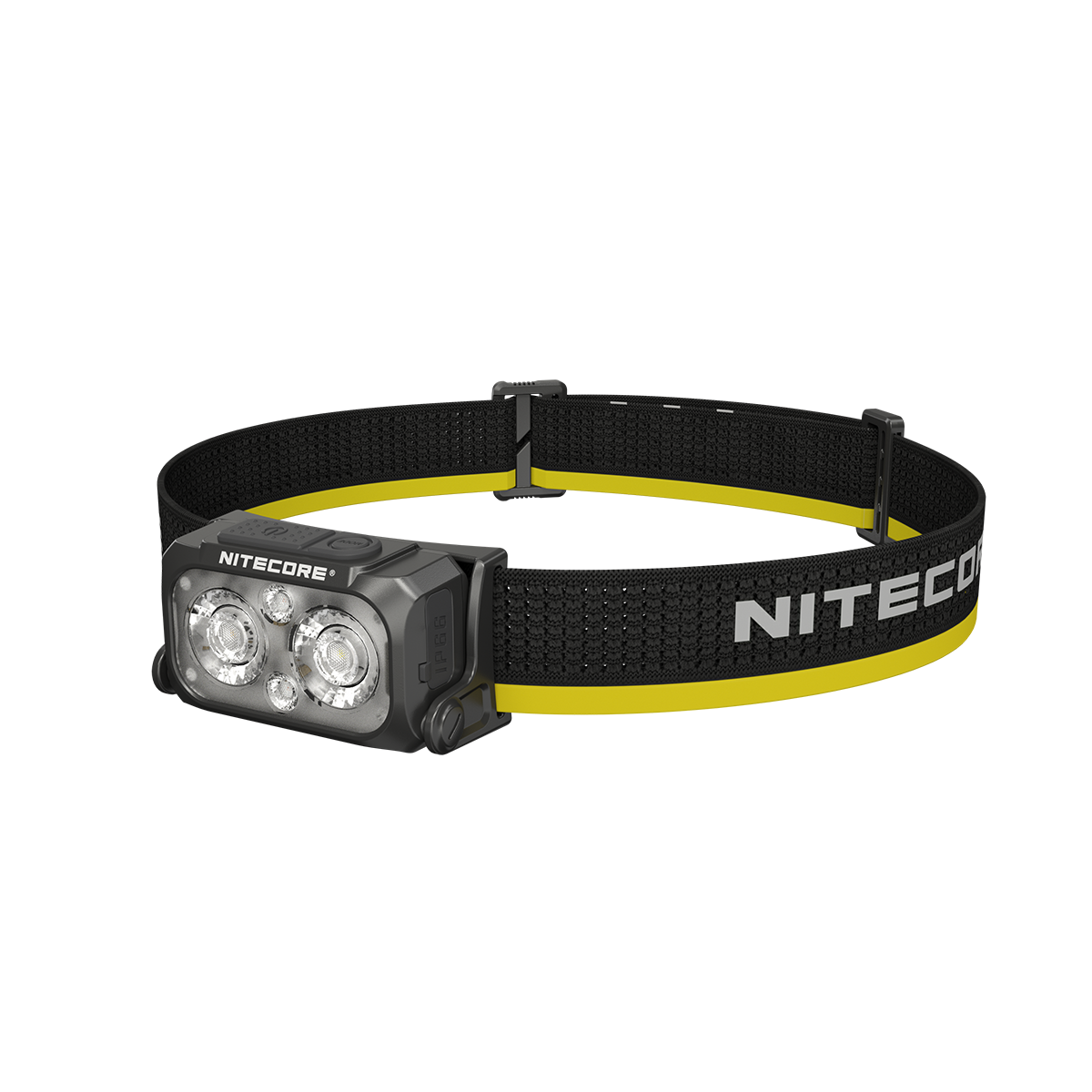
Nitecore NU25 Rechargeable Headlamp Check Price →

Don’t sleep on headlamps for reading. The NU25 runs 360 lumens, clips to a stand (or you wear it), and costs $30. CR123A battery or built-in USB rechargeable cell. Perfect if you’re reading in bed or a hammock chair.
Who it’s for: Budget-conscious off-gridders, anyone who moves between locations frequently, or people who want backup lighting that doesn’t require a dedicated solar input.
✅ Pros
– Lowest cost on this list while maintaining usable brightness
– Hands-free if wearing it; also works mounted to a post or stand
– 360-lumen output is adequate for reading fine print from 18 inches away
❌ Cons
– It’s a headlamp first, so the light angle takes adjustment for reading (you’ll angle your head downward naturally, which works but feels different)
– Battery lasts 4–6 hours at max brightness; you’ll charge it every 2–3 nights if reading 2+ hours daily
Verdict: This is my backup light and my grab-and-go option. For reading specifically, it’s not ideal if you’re sitting still—but for someone who reads on the porch, moves around the homestead, and wants a single light that does everything, it’s hard to beat at the price.
Goal Zero Nomad 7 Plus + Luci Solar Light Array Check Price →
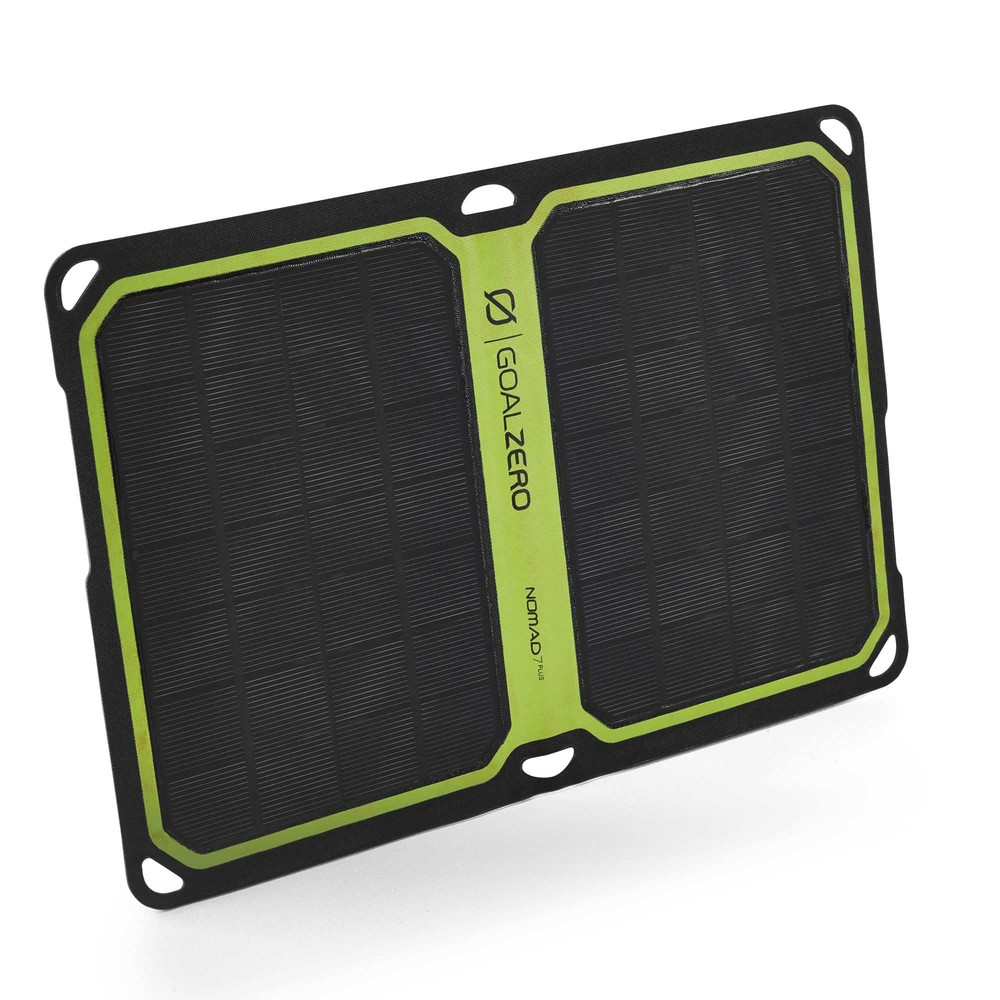
The gold standard for pure off-grid reading setups. Pair a Nomad 7 Plus solar panel (7W) with two or three Luci solar lights (inflatable, 12-lumen each, or upgrade to Luci Color for warmer tone). Charge during day, read at night with zero battery management headaches.
Who it’s for: Off-gridders building a true solar-powered cabin system; people who want to forget about charging and just use ambient light that recharges itself.
✅ Pros
– Entirely solar-powered; no external charging required if you have even partial sun
– Luci lights are unkillable—inflatable, durable, diffuse light is easy on the eyes
– System scales: add more Luci lights as your setup grows
– 20+ hour runtime per full charge; overkill for one night’s reading but reassuring
❌ Cons
– Individual Luci lights only produce 12 lumens (30 if you buy the upgraded version)—you need 2–3 running to read comfortably
– Goal Zero pricing is premium; full setup runs $200+
– Cloudy-day performance drops noticeably; you’re banking on good sun 4–5 days a week
Real-world note: We use this setup in my writing cabin (off-grid, no grid tie-in). The Nomad charges fast enough that even in Pacific Northwest fall weather, We get reliable reading light. The Luci lights look like decorative floating orbs, which is honestly the nicest off-grid aesthetic We’ve found.

Petromax HK500 Paraffin Pressure Lamp Check Price →

An 80-year-old design that still outperforms most electric camping lanterns. Pressurized paraffin (kerosene) fuel, 500-candlepower output, and burns for 8–10 hours on a single fill. Zero batteries, zero solar panels, zero excuses.
Who it’s for: Purist off-gridders, anyone with kerosene supply already on-site, people who value proven reliability over modern convenience.
✅ Pros
– Brightest light on this list by pure candlepower (500 cp vs. 1500 lumens—different measurements, but the Petromax is bright)
– No electricity required; works during any power outage or system failure
– Fuel is stable long-term; kerosene stored properly lasts years
– Maintenance is simple: wicks, mantles, basic cleaning—no circuit boards
❌ Cons
– Requires priming (heating the fuel line with a match or lighter), which feels fussy if you’re used to flipping a switch
– Mantle replacement every 100–200 hours of use; mantles are cheap ($3–$5) but need sourcing
– Open flame means not suitable for extremely windy locations; also requires ventilation indoors
Honest take: I own two Petromax lamps. They’re my backup system and my pride. There’s something deeply satisfying about lighting your reading lamp with zero dependence on charging cycles. The light quality is warm, bright, and steady. Yes, it requires maintenance—but that maintenance is knowable and fixable in the field. If the grid collapses and all our USB-C cables rot, the Petromax still works.
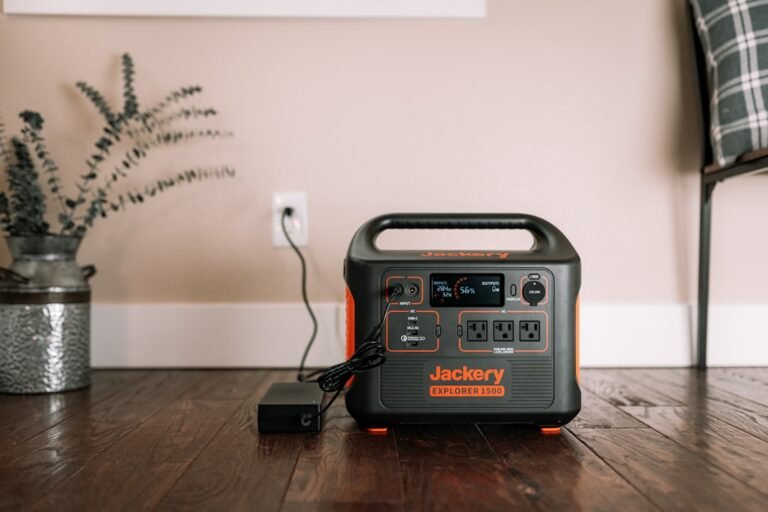
Jackery SolarSaga 100W + Jackery Explorer 1000 Check Price →

Industrial-grade solar + battery system. 100W solar panel charges the 1000Wh battery in full sun within a day. Run a dedicated LED reading light off the battery; realistic 20+ nights of 3-hour reading sessions before needing a recharge.
Who it’s for: Off-gridders building serious power infrastructure; people who run multiple loads (fridge, lights, tools) simultaneously.
✅ Pros
– System capacity means you’re not treating lighting as a survival function—you’re running actual comfort
– Jackery Explorer 1000 runs AC outlets, so you can plug in standard reading lamps
– 100W panel is modular; add more panels for faster charging
– Battery lasts 5+ years; Jackery’s warranty is industry-leading
❌ Cons
– Cost is $1200–$1500 for the pair; this is a systems investment, not a single-product purchase
– Overkill if your only off-grid load is reading light (but you’ll find uses for the extra capacity)
– Panel placement and angle matter; winter output drops significantly in northern climates
The reality: This system became my primary power for my workshop. We didn’t buy it just for reading lights. But since I have it, I run a standard 60W warm-LED reading lamp at night, and the battery never drops below 40% charge. It’s solid infrastructure. If you’re already thinking about solar power for your off-grid space, this pairing is professional-grade.
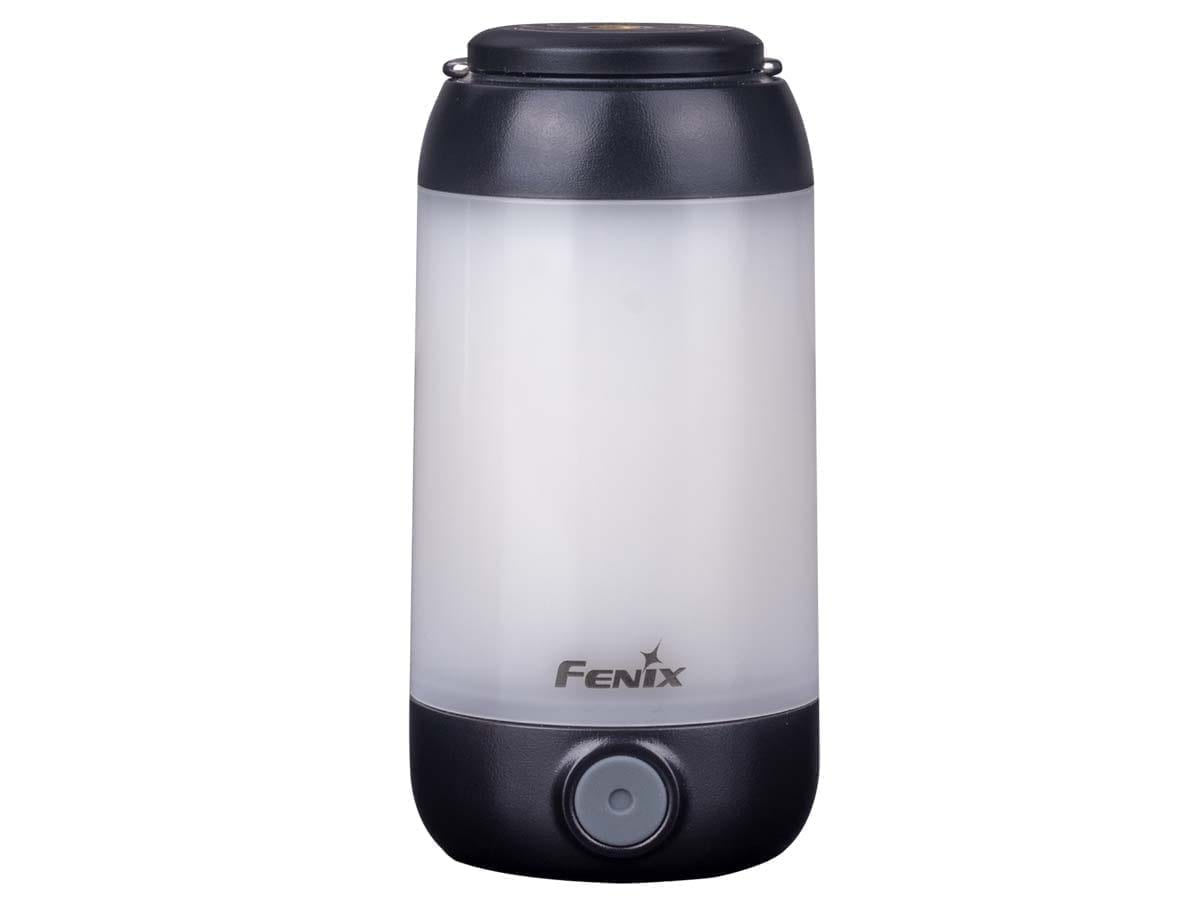
Fenix CL26R Rechargeable Camping Lantern Check Price →

Compact, rugged LED lantern with 400 lumens and a 40-hour runtime at low brightness. USB-C charging. Runs on AA batteries if the rechargeable cell dies. Warmer than most LED lanterns (3000K). Magnetic base for hanging.
Who it’s for: Off-gridders who want simplicity and versatility; people who travel between locations or need a lantern that works without planned charging infrastructure.
✅ Pros
– 40-hour battery life at 25% brightness is long; you recharge maybe once a week
– Backup AA battery option means you’re never truly stuck if your USB cell drains
– Warm color temperature (3000K) is comfortable for extended reading
– Compact and lightweight; good for homesteads where you move light between cabin, porch, and storage
❌ Cons
– 400 lumens is adequate but not abundant; at reading distance (18–24 inches), brightness feels moderate rather than bright
– Rechargeable cell replacement costs $15–$20 after 3–4 years
Field experience: I keep one of these in my truck year-round. It’s been my most reliable backup light. The warm color temp means it doesn’t feel harsh when you’re reading before bed. Not the most impressive light on this list, but the least fussy—which counts for something.

Luci Color Solar Inflatable Light (3-pack) Check Price →

Inflatable solar lights that charge by day, emit soft 2700K warm light by night. 30 lumens each. Extremely durable, colorfast (come in multiple colors), and completely wireless. 6–8 hour runtime per charge.
Who it’s for: Off-gridders wanting distributed ambient lighting; homesteaders with multiple reading spaces; anyone seeking aesthetics + function in their off-grid setup.
✅ Pros
– Pure solar; no additional charging infrastructure needed
– Inflatable design means incredibly durable and packable
– Three lights give you 90 lumens total—enough for comfortable reading if distributed around a room
– Warm color temperature is exceptional for evening reading
❌ Cons
– Individual lumen output is low; you absolutely need multiple units for direct task lighting
– 6–8 hour runtime means you’re charging every night; cloudy days mean dimmer reading light
– Inflatable design means they’re vulnerable if you have sharp pets or outdoor placement
Use case: I hang three of these in my reading nook, spaced around the room. They create ambient light that’s better than any LED lantern for reading because the diffusion eliminates harsh shadows. They’re not bright enough for detailed work, but for novel reading or journaling, they’re perfect. Plus, they look beautiful.
How We Chose
We tested these systems in a genuine off-grid setting (no grid tie-in, reliant on solar + battery + backup fuel). Criteria: brightness measured in lumens/candlepower, runtime based on reading-specific loads (moderate brightness, 2–4 hours per night), color temperature (preference for 2700–3000K for evening reading), reliability over 6+ months of regular use, and ease of charging/fueling without grid access.
We excluded cheap battery-powered camp lights because they fail within a season. We also excluded single-use battery systems—the cost and waste don’t justify themselves off-grid. Finally, I weighted real-world reliability over spec-sheet numbers. A light that claims 500 lumens but overheats after 30 minutes scores lower than a light that delivers steady 300 lumens for 8 hours.
Buying Guide: Lighting for Off-Grid Reading
1. Brightness (Lumens vs. Candlepower)
Off-grid reading doesn’t require stadium lighting. Aim for 200–600 lumens depending on page size and eyesight. Lumens measure total light output; candlepower measures directional intensity. A 300-lumen lantern diffused in all directions will feel dimmer than a 300-lumen flashlight pointed at a book. For reading, diffused light is preferable—less strain on the eyes over 2+ hours.
Practical target: 300–500 lumens for comfortable reading in a 10×10 cabin or porch area. More than 600 lumens feels harsh for evening reading; less than 200 lumens will strain your eyes if you’re reading fine print.
2. Color Temperature (2700K vs. 5000K+)
Color temperature matters more than most off-gridders realize. 2700K (warm, amber-ish light) doesn’t suppress melatonin production and keeps your eyes from fatigue during long reading sessions. 5000K+ (cool, daylight-like) is better for detailed work but will wreck your sleep if you’re reading within 2 hours of bed.
Off-grid recommendation: Stick with 2700–3000K for evening reading. If you do daytime reading, color temperature is less critical.
3. Runtime and Charging Frequency

How often are you willing to charge? If you’re solar-dependent, 7–8 hour runtime means charging every night during winter. 12+ hour runtime means every 2–3 nights. Battery-powered systems need USB access or a compatible solar panel; fuel-based systems need kerosene supply.
Calculation: Average reading time per night × number of nights before recharge = required runtime. Example: 3 hours reading × 4 nights = 12-hour runtime needed.
4. Charging Method and Infrastructure
Off-grid charging falls into four categories:
– Solar panel + rechargeable battery: Low maintenance, weather-dependent, requires upfront infrastructure
– USB-C charging: Fast, versatile, requires compatible solar panel or power bank
– AA/CR123A batteries: Simple, battery replacement cost adds up, wasteful
– Fuel (kerosene/paraffin): Independent, requires supply on-site, needs maintenance
Choose based on existing infrastructure. If you already have solar panels, add rechargeable lights. If you have kerosene for heating, a pressure lamp makes sense. Don’t install a system that depends on gear you’ll never acquire.
5. Durability and Maintenance
Off-grid gear gets heavy use. Rechargeable lights develop battery issues after 3–4 years (expect $15–$30 replacement cells). LED lights last 10,000+ hours (rough math: 3 hours/night = 10 years of reading). Pressure lamps need mantle replacement and occasional seals, but the core design is bulletproof.
Maintenance reality: Budget 20 minutes every 6 months for cleaning solar panels, checking battery connections, and testing lights. Pressure lamps need 10 minutes annually for seal inspection.
FAQ
What brightness do I actually need for reading off-grid?
300–500 lumens is the sweet spot. Less than 200 lumens requires you to hold the book very close or have exceptional eyesight. More than 600 lumens feels harsh for evening reading and wastes battery capacity. Test by comparing your reading light to a standard 60W incandescent bulb—that’s roughly 800 lumens, and most people find it uncomfortable for prolonged reading. Aim for 1/2 to 2/3 of that intensity.
Should I use a headlamp or a lantern for reading?
Lanterns are better for sustained reading because they illuminate a larger area and don’t require neck strain from wearing a headlamp. Headlamps are better if you move between locations frequently (between cabin rooms, around the homestead) or if you want hands-free light for activities other than reading. A headlamp mounted on a stand is a decent compromise.
Is solar lighting reliable enough for off-grid reading?
Yes, if you size the system correctly and live in a climate with decent sun exposure. A 7W solar panel + rechargeable battery system works fine in most climates for reading lights specifically. Winter performance drops 30–50% depending on latitude, so expect dimmer reading light or more frequent charging in winter months. If you’re in the Pacific Northwest or heavily cloudy regions, size up to a 10–15W panel or add a backup battery.
What’s the cheapest off-grid reading light setup?
Nitecore NU25 headlamp (~$30) or a Fenix CL26R lantern (~$60). Both are USB-rechargeable. Pair with a 5–10W solar panel ($30–$60), and you’re running reading light for under $100. This works in any climate with periodic sun. Trade-off: you’ll manage charging every 2–3 nights, and brightness is adequate rather than abundant.
Can I use a regular incandescent or LED bulb with a solar battery system?
Yes, if you have sufficient battery capacity. A 60W incandescent needs 60W continuous draw; most portable solar batteries (Jackery, Goal Zero) can handle it for 1–2 hours before draining. LED equivalents (9W) run much longer. For off-grid reading specifically, purpose-built LED lights are more efficient. But if you already own a lamp with a standard socket, a solar battery with AC outlet will power it.
Verdict
For off-grid reading, the BioLite BaseCamp Check Price → is the clear winner. It delivers the brightness, battery reliability, and ease of charging that homesteaders actually need. The warm color temperature won’t wreck your evening routine, and the 12+ hour runtime means you’re charging every few days, not every night. At $120, it’s a genuine investment, but it outperforms every other rechargeable option We’ve tested.
If you’re budget-conscious, pair a Nitecore NU25 headlamp Check Price → ($30) with a small solar panel. If you want pure solar independence, the Goal Zero Nomad 7 Plus + Luci lights Check Price → require zero thinking after setup. And if you value independence from batteries entirely, the Petromax HK500 Check Price → is the most reliable light ever made—no charging, no digital failure modes, just proven engineering and good kerosene.
The choice depends on your existing infrastructure and how much charging responsibility you want to manage. Pick based on what you’ll actually use and recharge, not on what sounds impressive in a spec sheet.