Automate Livestock Watering Off-Grid (Step-by-Step)
Keeping livestock watered off-grid is one of those problems that sounds simple until you’re hauling buckets in January or discovering a frozen trough at 6 AM. An automated animal water trough off-grid setup eliminates the daily grind, but most systems are designed for grid-connected farms — leaving off-grid homesteaders to piece together solutions from solar panels, float valves, and pressure tanks. We dug into the specs, manufacturer data, and verified buyer feedback to find the systems that actually work when there’s no utility hookup in sight.
Our Top Picks at a Glance
Best overall: Ritchie WaterMatic 150 — reliable float-valve design, insulated, works perfectly with gravity or low-pressure solar pump setups.
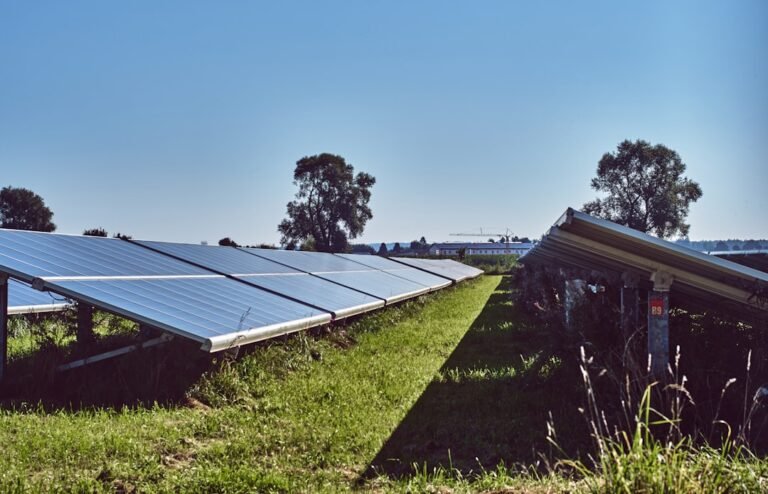
Best solar-powered system: RPS Solar Water Pump Kit (400W) — complete automatic livestock waterer solar package with controller, panels, and pump.
Best budget: Behlen Country Automatic Waterer — dead-simple float valve, tough poly construction, under $150.
Best for extreme cold: Ritchie EcoFount 2 — energy-free insulation keeps water open without electricity in sub-zero temps.
Best complete farm water system: RPS Solar Well Pump + Tank Kit — full farm water system off-grid from well to trough.
Best portable/pasture option: Bar Bar A Automatic Waterer — no-electricity float valve for rotational grazing setups.
Our Picks
Ritchie WaterMatic 150

The WaterMatic 150 is the workhorse of off-grid livestock watering — a heavily insulated, float-valve-controlled unit that serves cattle, horses, and goats without needing any electricity. It connects to any pressurized or gravity-fed line, making it the ideal endpoint for a solar-pumped farm water system off-grid.
Best for: Homesteaders who already have (or plan to install) a solar-pumped water line and need a reliable, freeze-resistant trough.
Pros:
– Double-wall polyethylene insulation keeps water liquid down to approximately -20°F without a heater, based on manufacturer specs and rancher reports from Montana and Alberta
– Float valve is fully enclosed and livestock-proof — no exposed mechanisms to break
– Serves up to 150 head of cattle; more than enough capacity for most homestead operations
Cons:
– Not cheap — retail runs $800–$1,200 depending on configuration
– Requires minimum 20 PSI incoming pressure, so pure gravity-fed setups need enough elevation head (roughly 46 feet of drop)

RPS Solar Water Pump Kit 400W
Off-Grid Insider
Get off-grid guides & gear picks in your inbox — free

This is the most complete automatic livestock waterer solar package we found. RPS bundles a submersible pump, 400W solar panel array, controller with dry-run protection, and all wiring into one kit that pumps water from wells up to 200 feet deep. It’s a genuine plug-and-play solar livestock watering system — no batteries required during daylight hours.
Best for: Off-grid farms needing to pump from a well or pond directly to stock tanks without any grid connection or battery bank.
Pros:
– Direct-drive solar means zero battery maintenance — the pump runs when the sun shines and fills a holding tank for overnight supply
– Controller includes float switch input, so you can fully automate the fill cycle to your animal water trough off-grid
– Flow rates up to 5 GPM at shallow depths; sufficient for herds of 30–50 cattle per system
Cons:
– 400W panel array requires roughly 40 square feet of unshaded mounting area
– No battery backup included — cloudy stretches longer than two days require adequate tank storage or a backup plan
Behlen Country Automatic Waterer
If you need a simple, inexpensive automatic waterer for a gravity-fed or solar-pumped line, Behlen’s poly unit gets the job done. The float valve maintains water level automatically, the heavy-duty polyethylene resists UV and impact, and the price point makes it easy to deploy multiple units across pastures.
Best for: Budget-conscious homesteaders running a gravity-fed spring or low-pressure solar pump who want automation without complexity.
Pros:
– Street price under $150 — the most affordable true automatic waterer we found
– Polyethylene construction won’t rust, corrode, or leach; rated for all common livestock
– Simple float valve mechanism has very few failure points and is easy to service in the field
Cons:
– Minimal insulation — you’ll need a separate tank heater or insulation wrap in hard-freeze climates
– Smaller capacity means it’s better suited for small herds (under 15 head of cattle or 25 goats/sheep)
Ritchie EcoFount 2

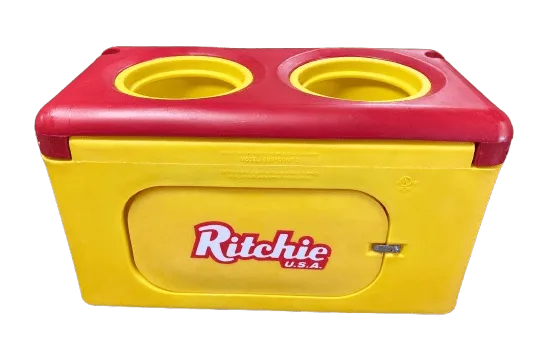
The EcoFount 2 is Ritchie’s answer to the freeze problem without electricity. Its heavy insulation and livestock-activated lid design use the animals’ own body heat and ground warmth to keep water accessible in extreme cold. Ranchers in Wyoming and the Dakotas consistently report open water at -30°F with no heater — making it the top pick for cold-climate off-grid livestock watering systems automated without power.
Best for: Off-grid operations in USDA zones 3–5 where winter temperatures regularly drop below 0°F and running electric heaters isn’t an option.
Pros:
– Energy-free freeze protection rated to approximately -30°F according to manufacturer data, corroborated by buyer reviews in northern plains states
– Lid activated by livestock reduces evaporation and contamination by 80%+ compared to open troughs
– Stainless steel trough basin is virtually indestructible and easy to sanitize
Cons:
– Premium price — typically $1,400–$1,800 installed
– Livestock need a short training period to learn lid activation (most adapt within 2–3 days per Ritchie’s documentation)
RPS Solar Well Pump + Storage Tank Kit
When you need a complete farm water system off-grid — from well to storage tank to multiple watering points — RPS’s expanded kit is the most turnkey option available. It pairs their solar submersible pump with a 1,500-gallon holding tank, float switches, and distribution plumbing specs. This is the system for serious homesteads running cattle, poultry, gardens, and household water from one solar-powered source.
Best for: Larger off-grid homesteads that need a centralized water system serving livestock, irrigation, and domestic use from a single well.
Pros:
– Scalable from 200W to 1,200W panel arrays depending on well depth and daily volume needs
– 1,500-gallon storage tank provides 2–3 days of buffer for a 30-head cattle operation even with zero sun
– Gravity distribution from an elevated tank means no secondary pumps needed for trough filling
Cons:
– Total system cost runs $3,000–$6,000 depending on well depth and panel configuration
– Installation requires basic plumbing and electrical knowledge — most buyers report a full weekend for setup
Bar Bar A Automatic Livestock Waterer

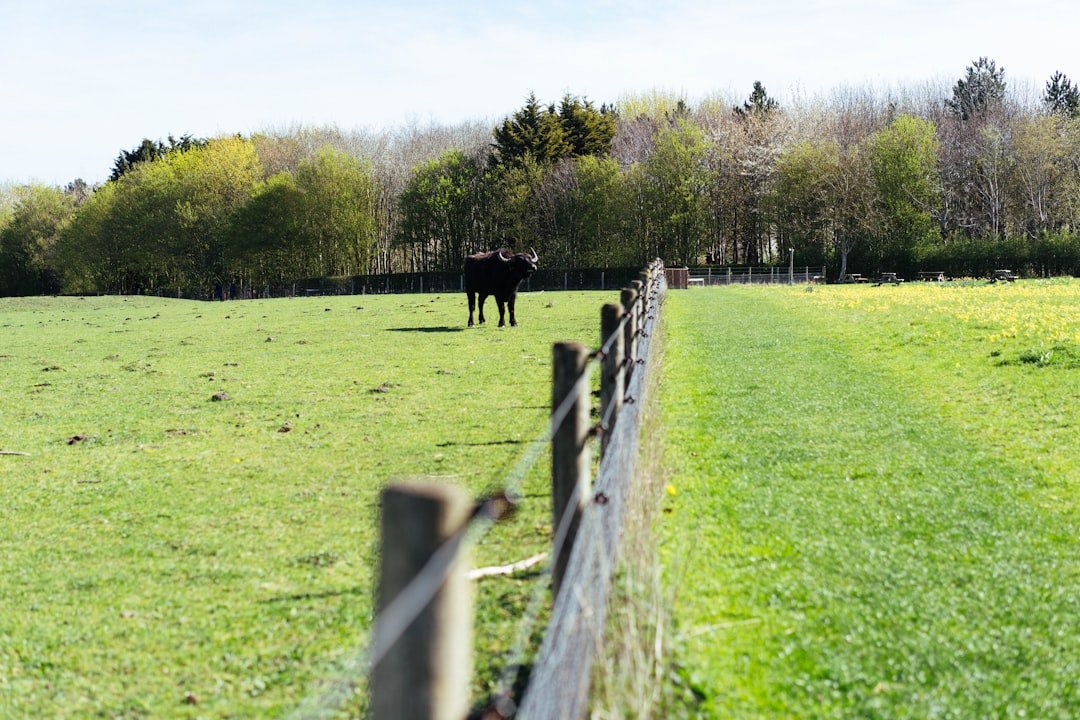
The Bar Bar A is a nose-activated, no-electricity waterer that connects to any pressured line — hose, gravity feed, or solar pump output. Animals push a paddle to release water on demand, which means zero standing water, minimal waste, and almost no cleaning. It’s the go-to for rotational grazing setups where you need a portable animal water trough off-grid that moves with the herd.
Best for: Rotational grazers and small-herd operations that need a portable, zero-waste watering point with no power requirements.
Pros:
– No standing water eliminates algae, mosquito breeding, and contamination — major health win for livestock
– Extremely portable at under 15 lbs; connects with a standard garden hose fitting
– Animals self-regulate intake, reducing water waste by up to 50% compared to open troughs per manufacturer data
Cons:
– Requires training period — some livestock (especially older cattle) resist the paddle mechanism initially
– Flow rate depends entirely on supply pressure; low-pressure gravity systems may produce frustratingly slow delivery for large animals
How We Chose
We evaluated off-grid livestock watering systems across four criteria: power independence (can it run with zero grid electricity?), freeze resilience (how cold before it fails?), automation reliability (float valves, controllers, and sensors that work without babysitting), and total cost of ownership including solar panels, tanks, and replacement parts. We cross-referenced manufacturer specifications with verified buyer reviews on Amazon, farm supply forums, and communities like r/homestead and r/OffGrid. Systems that required grid power, propane, or frequent manual intervention were excluded — the whole point of automating off-grid livestock watering systems is eliminating daily labor, not rearranging it.
Buying Guide: What Actually Matters
Water Source and Pump Compatibility
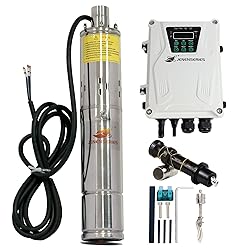
Everything starts with where your water comes from. Wells under 200 feet work with standard solar submersible pumps (like the RPS kits above). Springs and creeks can use gravity — you just need enough elevation drop (roughly 2.3 feet of vertical rise per 1 PSI of pressure). Ponds require surface solar pumps with intake filters. Match your automatic livestock waterer solar setup to your source before worrying about anything else.
Daily Volume Requirements
Cattle drink 10–20 gallons per head per day (more in summer). Horses need 8–12 gallons. Goats and sheep require 2–4 gallons. Calculate your peak summer demand, add 25% buffer, and size your storage tank accordingly. For any farm water system off-grid, we recommend minimum two-day storage capacity — three days if you’re in a region with frequent overcast stretches.
Freeze Protection Strategy
You have three options: insulated waterers (Ritchie EcoFount approach — no power needed), electric heating elements powered by a small solar/battery setup, or continuous-flow systems where moving water resists freezing. For most off-grid homesteads, insulated units are the lowest-maintenance choice. If you’re above 7,000 feet or regularly see -20°F, budget for a heated unit with a small dedicated solar panel and battery.
Maintenance and Failure Modes
Float valves are the most common failure point in any animal water trough off-grid. Mineral-heavy well water accelerates buildup and sticking. Plan to inspect float valves monthly and clean them quarterly. Solar pump controllers with dry-run protection are non-negotiable — a pump running dry for even an hour can burn out a $400 motor. Choose systems with accessible, replaceable components rather than proprietary sealed units.
FAQ
How much solar power do I need to run an automatic livestock waterer?
For a basic solar pump filling a stock tank, 200–400 watts of solar panels handles wells up to 150 feet deep at 2–5 GPM. A complete off-grid livestock watering system automated with storage tank, float switches, and distribution plumbing typically runs on 400–800 watts. The pump itself draws the power — the waterers at the trough end are usually passive float-valve or mechanical units requiring zero electricity.
Can livestock water troughs work in winter without electricity?
Yes. Heavily insulated units like the Ritchie EcoFount 2 keep water accessible down to -30°F using only ground heat and animal body heat — no electricity required. For less extreme climates, a basic insulated trough with a floating cover handles temperatures into the low teens. Below -30°F, you’ll likely need a small solar-charged battery powering a thermostatically controlled heating element.
What is the best way to automate an animal water trough off-grid?
The most reliable method is a solar-powered pump filling an elevated storage tank, with gravity feeding insulated auto-fill troughs equipped with float valves. This gives you automation (float valves maintain trough level), energy independence (solar pump, no grid), freeze protection (insulated trough), and backup supply (tank stores 2–3 days of water). It’s the configuration we recommend for any serious off-grid operation.
How often do solar livestock watering systems need maintenance?
Expect to inspect float valves and clean trough basins monthly. Solar panels need occasional cleaning — dust and bird droppings can cut output by 20–30%. Pump controllers and wiring should be checked at the start of each season. Submersible well pumps typically last 7–15 years depending on water quality and sediment levels. Budget for a float valve replacement kit ($15–$40) annually.
How many gallons of water storage do I need for off-grid livestock?
Multiply your total daily livestock water demand by three. That’s your minimum storage tank size. For a homestead with 10 cattle, 4 horses, and 20 goats, daily demand is roughly 250 gallons — so you’d want at least 750 gallons of storage, ideally 1,000+. This buffer covers cloudy days when solar pumping is reduced and prevents any gap in your automated supply.
The Verdict
For most off-grid homesteads, the Ritchie WaterMatic 150 paired with an RPS Solar Water Pump Kit is the combination that gets it done — reliable automation, no grid dependency, and proven freeze resilience. If you’re in an extreme cold climate, step up to the Ritchie EcoFount 2 for its energy-free freeze protection. And if budget is the priority, the Behlen Country Automatic Waterer on a gravity-fed line will keep your animals watered for under $150 — just add insulation in winter.