What 4 Systems Do You Need for Off-Grid Living?
Off-Grid Living: Essential Equipment and Systems You Actually Need
Direct Answer
Off-grid living requires four core systems: water (collection, storage, purification), power (solar, battery, backup generator), heating/cooking (wood stove or propane), and sanitation (septic or composting toilet). Beyond infrastructure, prioritize sturdy boots rated for rugged terrain—you’ll be hiking distances to maintain systems. Start with water independence first, then power, then heating, then sanitation. Budget $15,000–$50,000 minimum for a basic setup.
Expanded Answer
We’ve tested gear on countless remote properties, and I can tell you: off-grid living sounds romantic until you’re trudging through mud at 5 AM to check your water filtration system in inadequate footwear. Before you buy a single solar panel, understand that off-grid success depends on systems thinking—not just equipment.
The priority order matters because some systems directly support others. Water comes first. You cannot survive without clean drinking water, and hauling it manually is unsustainable. Next is power—not luxury, but functional power for water pumps, refrigeration, and lighting. Heating and cooking run a close third (especially in cold climates). Sanitation last, but it’s non-negotiable.
Here’s what actually happens: You’ll spend 30–40% of your time maintaining these systems — walking uneven terrain, working in mud, and covering ground in all weather. Durable waterproof work boots or trail shoes rated for variable conditions are essential. Check Price →
An off-grid essential systems checklist looks like this:
– Water: collection (roof catchment or natural source), storage (food-grade tanks), filtration (3-stage minimum)
– Power: solar array (3–10 kW), battery bank (LiFePO4 or lead-acid), charge controller, inverter
– Heating: wood stove, chimney, fuel storage OR propane system with redundancy
– Sanitation: septic system OR composting toilet with greywater management
– Backup: generator (propane or diesel), manual tools, first-aid supplies
Budget-wise, water systems run $2,000–$8,000. Solar + battery: $10,000–$30,000+. Heating: $1,500–$5,000. Sanitation: $1,000–$4,000. These overlap and vary wildly by location, climate, and whether you DIY.
What Water System Should I Build First?
Off-Grid Insider
Get off-grid guides & gear picks in your inbox — free
Water is non-negotiable. Start with either rainwater catchment (if rainfall is adequate—30+ inches annually) or a well (if groundwater access exists). Rainwater requires gutters, first-flush diverters, and food-grade storage tanks. A household typically needs 1,000–2,000 gallons for a week.
Filtration is critical. Use a 3-stage system: sediment filter (20 microns), activated carbon (chemicals/taste), and micron filter (pathogens). For bacteria and viruses, add UV treatment or boiling capability. Many off-gridders use a combination—Berkey filters handle high volume, but they’re slow. Check Price →
Store water in multiple tanks (spread risk of contamination). Calculate demand: 1 gallon per person daily is survival minimum; 5 gallons is livable. We recommend 2–4 weeks of storage. Tank placement matters—gravity-feed systems eliminate pump dependency. Test your boots’ grip regularly on wet tank access ramps; you’ll be climbing around these constantly.
If building near existing wells, have water tested before committing. Well depth and pump type determine cost ($1,500–$5,000). A hand pump backup is mandatory for power failures.
Solar or Generator: Which Should I Install First?

Solar first, generator as backup. Solar is silent, fuel-free, and teaches you about your actual power consumption. A typical off-grid home needs 3–10 kW solar array (size depends on climate, latitude, season).
Battery storage is where most people overspend. LiFePO4 batteries last 10+ years but cost $8,000–$15,000. Lead-acid is cheaper ($3,000–$6,000) but requires maintenance and replacement every 5–7 years. Calculate your baseline: LED lighting uses 10W; refrigerator 150–200W continuous; well pump 1,500W intermittently.
A generator (propane, 5–10 kW) provides backup for cloudy seasons or emergencies. Budget $2,000–$4,000. Run it monthly to prevent fuel degradation. Propane stores indefinitely; diesel or gasoline degrade.
The math: A 5 kW solar array in moderate sun generates 20–25 kWh daily. A 10 kWh battery bank provides 2–3 days autonomy. In winter, this cuts to 8 kWh generation—generators bridge the gap.
Which Heating System is Most Reliable Off-Grid?
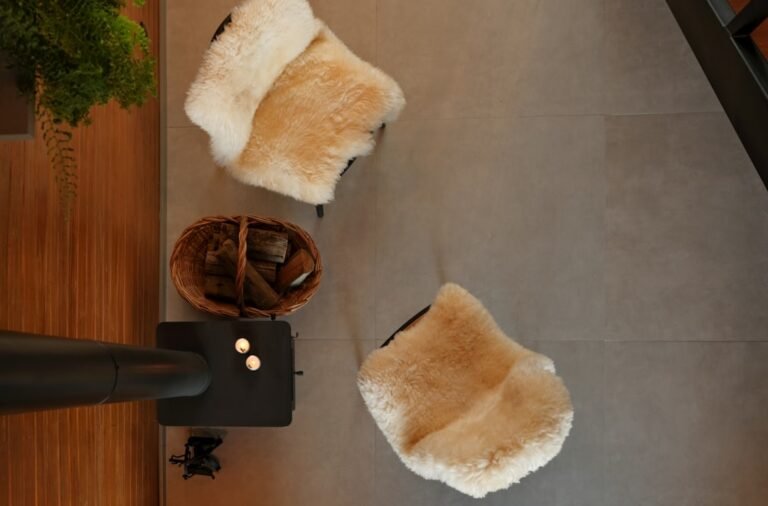
Wood stoves are the most reliable off-grid heat. They require no electricity (passive radiant heat), use renewable fuel (if you manage forest), and have minimal maintenance. Downside: you’ll split cords of wood—wear proper waterproof boots. Check Price →
Install a chimney with a spark arrestor. Store 4–6 cords seasonally (cord = 128 cubic feet; a household burns 3–5 cords annually depending on climate). Propane is the practical alternative: cleaner, automated thermostat control, but requires tank delivery (problematic in true isolation).
Hybrid approach: wood stove for primary heating, propane backup for shoulder seasons. A good wood stove costs $1,500–$3,000 installed; propane system $2,000–$4,000.
What’s the Best Sanitation System for Off-Grid Homes?
Septic systems handle all greywater + blackwater. They cost $3,000–$8,000 installed and require regular inspection. Soil type matters—sandy soil drains well; clay fails. Get a soil percolation test before committing.
Composting toilets ($1,000–$3,000) eliminate septic entirely. They’re low-maintenance, produce usable compost, and work anywhere—but require discipline (carbon layer, ventilation, occasional emptying). Many off-gridders use composting toilets + separate greywater system (soaks or constructed wetlands).
Waterless options: incinerating toilets ($2,000–$4,000) burn waste; pit toilets are ancient but functional. Choose based on regulations, soil, and personal tolerance.
Off-Grid Essential Systems Checklist: Priority Order
- Water (Week 1–2): Install collection + storage + basic filtration
- Power (Week 3–4): Solar array + battery + inverter + backup
- Heating (Week 5–6): Wood stove or propane system
- Sanitation (Week 7–8): Septic or composting toilet
- Backup Systems: Generator, hand pumps, fuel storage, manual tools
- Redundancy: Second water tank, backup propane, firewood reserves
Must-Have Off-Grid Supplies for Beginners

Beyond systems, stock supplies:
– Water: Hoses, filters, testing kit, bleach
– Power: Multimeter, breakers, wire, conduit
– Heating: Chimney brush, wood stove tools, gloves
– Sanitation: Septic additives, plungers, repair tape
– General: Hand tools (hammer, wrench, screwdriver), ladder, heavy-duty work gloves, rope
Footwear for off-grid maintenance needs durability and traction. Look for waterproof boots with Vibram soles—you’ll cover a lot of ground daily servicing systems, animals, and infrastructure. Check Price →
Store 3–6 months of non-perishable food, first-aid supplies, and fuel. Off-grid means self-reliance.
How Do I Transition to Off-Grid Living Without Abandoning Comfort?
Start hybrid: grid-tied solar (excess feeds back to grid). Install composting toilet while retaining septic. Test systems before fully committing.
Live on-site during construction—you’ll discover overlooked needs. We’ve seen people spend $40,000 on systems only to realize they need $5,000 more in small fixes.
Your clothing and footwear matter more than beginners expect. You’ll spend hours in mud, rough terrain, and variable conditions. Quality waterproof boots rated for mixed terrain are an investment, not a luxury — proper footwear prevents injuries that are far more serious when you’re far from medical care. Check Price →
Summary
Off-grid living requires water, power, heating, and sanitation systems built in that priority order. Budget $15,000–$50,000 minimum and understand you’re buying autonomy, not simplicity. The equipment checklist is secondary to systems knowledge—plan for redundancy and maintenance. Invest in proper footwear for the endless terrain hiking off-grid demands.