5 Best Off-Grid Laundry Systems 2026
Finding a laundry system that actually handles a family’s worth of dirty clothes without grid power is one of the most underrated challenges of off-grid living. Most “portable” washers are designed for single travelers or apartment dwellers — throw in a week of kids’ clothes, work wear, and bedding, and they fall apart fast. We dug into specs, capacity claims, and hundreds of verified buyer reports to find the off-grid washing machine options that hold up for real family use, whether you’re running a full homestead or a seasonal cabin.
Our top pick: Lavario Portable Clothes Washer — largest manual capacity we’ve found, handles full family loads without electricity.
Best budget: The Laundry Alternative Wonderwash — solid hand-crank washer under $60.
Best simple system: Breathing Mobile Washer — a $30 plunger-style washer that works in any bucket or tub.
Best solar-compatible electric: ZENY Portable Mini Washing Machine — low-wattage electric unit that runs on a modest solar setup.
Our Picks
Lavario Portable Clothes Washer
The Lavario is the closest thing to a full-sized washer you’ll find in the manual laundry systems off-grid category. Its pressure-based plunger mechanism agitates a useful load — up to 10 garments per batch according to the manufacturer — and the dual-chamber design means you can wash and rinse without constantly hauling and dumping water.
Who it’s for: Families of 3–5 who do laundry twice a week and want the largest no-electricity capacity available.
Pros:
– Largest effective capacity among manual washers — handles jeans, towels, and heavier items that smaller units choke on
– Pressure-plunger agitation gets clothes noticeably cleaner than simple hand-crank or bucket-and-plunger methods based on consistent buyer feedback
– No electricity, no batteries, no moving mechanical parts to break — field-serviceable for years
Cons:
– Bulky footprint at roughly 24″ × 18″ — not a toss-it-in-the-truck portable unit
– Price sits around $100–130, which is steep for a manual washer, though long-term durability justifies it for most families
The Laundry Alternative Wonderwash
Off-Grid Insider
Get off-grid guides & gear picks in your inbox — free
The Wonderwash has been a go-to budget pick in the off-grid community for years, and the reason is simple: it works. The hand-crank drum creates a sealed pressure environment that cleans small loads in about two minutes of cranking. It won’t handle a full family load in one shot, but at under $60, most families buy one and just run multiple batches.
Who it’s for: Budget-conscious families who don’t mind running 3–4 small batches instead of one big load, or as a secondary washer for delicates and quick jobs.
Pros:
– Street price typically under $60 — the lowest entry point for a dedicated manual washer
– Pressure-seal design uses less water and detergent per load than open-tub methods
– Compact and lightweight at roughly 6 lbs — stores easily, travels well
Cons:
– Small 5-lb capacity means a family of four will realistically need 3–5 cycles per laundry session
– The hand crank and drain plug are the most common failure points reported by long-term users
Breathing Mobile Washer

This is the tool that off-grid veterans swear by and newcomers underestimate. It’s a specially designed plunger head — that’s it. You use it in any 5-gallon bucket, washtub, or bathtub. The rapid plunger action forces water through fabric, and the results are surprisingly effective for such a dead-simple tool. At around $30, it’s the cheapest real laundry system you can own.
Who it’s for: Anyone who wants the most flexible, packable, and failure-proof wash system — especially as a backup or for families just starting their off-grid setup.
Pros:
– Works in any container you already own — zero additional equipment required beyond a bucket
– Under $30 with no moving parts, no seals, and nothing to break
– Community-proven across thousands of homesteaders, vanlifers, and emergency preparedness users
Cons:
– Requires more physical effort per load than enclosed pressure washers — 10–15 minutes of active plunging for a decent load
– No built-in rinse or spin cycle, so you’ll need a separate wringing method
ZENY Portable Mini Washing Machine

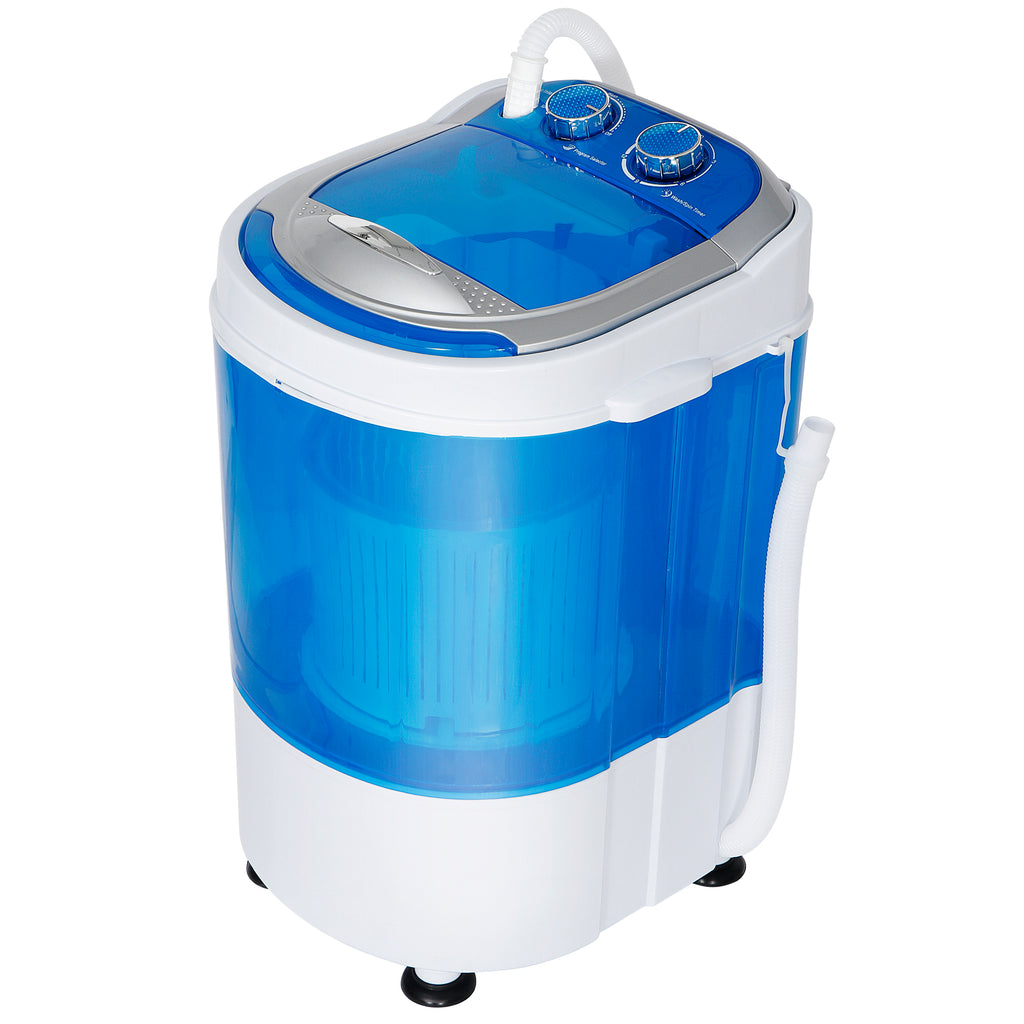
If your off-grid setup includes a solar array, a small electric washer becomes a real option. The ZENY twin-tub draws roughly 240W during wash and 120W during spin — numbers that a 400W+ panel array with a decent battery bank can handle without stress. The twin-tub design lets you wash in one side and spin-dry in the other, making this the most complete single-unit solution for families exploring solar powered washing machine off-grid setups.
Who it’s for: Families with an existing solar power system (400W+ panels, 100Ah+ battery bank) who want the convenience of electric washing without grid dependency.
Pros:
– Twin-tub design means you can wash and spin-extract simultaneously — a real time saver on laundry day
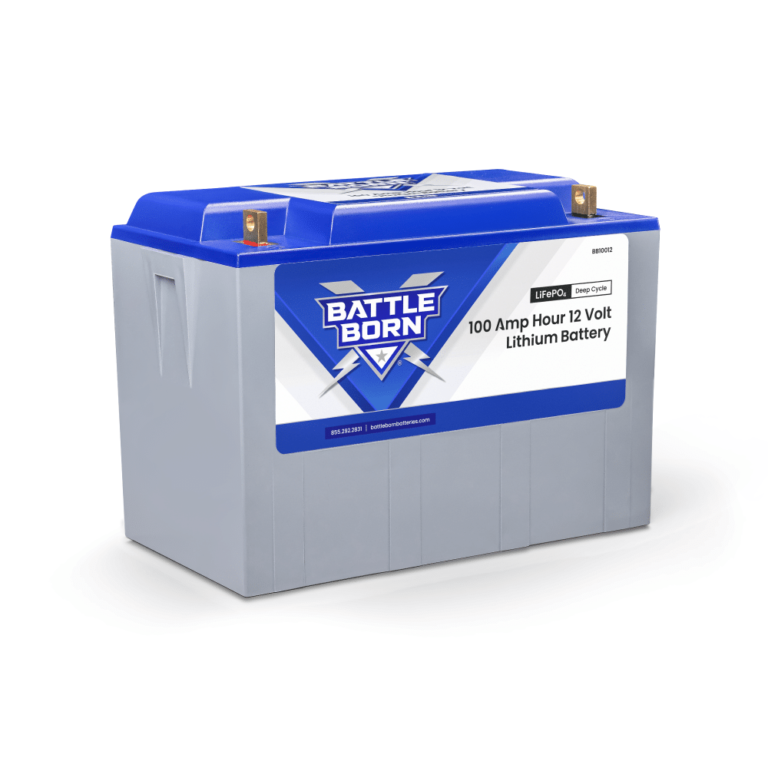
– 240W peak draw is manageable for mid-size off-grid solar systems; runs comfortably from a 1000W inverter
– 10–13 lb wash capacity (manufacturer rated) handles a meaningful family load in a single cycle
Cons:
– Requires electrical infrastructure — an inverter, battery bank, and sufficient solar generation that purely manual systems don’t need
– Build quality is budget-grade; buyer reports suggest the drain pump and timer are the first components to fail, typically after 1–2 years of regular use
Panda 3200 RPM Portable Spin Dryer

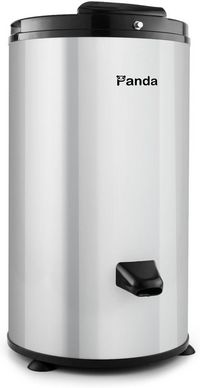
This isn’t a washer — it’s the piece most off-grid laundry setups are missing. After hand-washing, clothes hold a massive amount of water. The Panda spins at 3200 RPM and extracts the majority of that water in about three minutes, cutting line-dry time from a full day to a couple of hours. At roughly 350W, it’s solar-viable for families with moderate electrical systems, and the time savings on drying alone make it worth the investment.
Who it’s for: Any family already hand-washing who wants to dramatically cut drying time — especially in humid climates or during winter months when line drying is slow or impossible.
Pros:
– 3200 RPM extraction speed removes far more water than any hand-wringer, cutting line-dry time by 50–70%
– 22 lb capacity drum is large enough for heavy items like towels and jeans
– Stainless steel drum is durable and resists the mildew issues that plague plastic-tub competitors
Cons:
– Requires ~350W electrical draw, so it’s not viable for purely manual setups
– Loud at full speed — buyer reports consistently note high noise levels during the spin cycle
Lehman’s Own Hand Clothes Wringer

For families committed to zero-electricity laundry, a quality wringer is essential. Lehman’s hand wringer clamps to a tub or table edge and uses adjustable rollers to squeeze water from clothes in a single pass. It’s a simple, proven design used by homesteaders and Amish communities for generations. The rubber rollers handle everything from t-shirts to denim without the fabric damage that aggressive hand-wringing causes.
Who it’s for: Families running fully manual laundry systems who need an efficient, no-power method to extract water before line drying.
Pros:
– Zero electricity — pairs with any manual washer for a complete grid-free laundry system
– Adjustable roller pressure accommodates delicates through heavy work clothes
– Heavy-duty cast construction is built to last decades with minimal maintenance
Cons:
– Price point typically $100–150, which is significant for a single-purpose hand tool
– Requires a sturdy mounting surface — flimsy tub edges or lightweight tables won’t hold it under load
How We Chose
We evaluated over 20 off-grid laundry products by cross-referencing manufacturer specifications (capacity, water usage, wattage draw) with verified buyer reviews from Amazon, off-grid forums, and homesteading communities. We prioritized systems that can realistically handle family-sized loads — not just the theoretical capacity printed on the box, but what real families report fitting in a practical wash cycle. Products with consistent failure reports under 12 months of regular family use were excluded. We weighted durability and repairability heavily because off-grid means you can’t just drive to a service center.
Buying Guide: What Actually Matters
Effective Capacity vs. Rated Capacity
Every portable washer inflates its capacity rating. A unit rated for “10 lbs” often handles 5–6 lbs of real laundry effectively. For a family of four generating roughly 40–50 lbs of laundry per week, calculate how many cycles you’ll actually need. The Lavario and ZENY handle the most per batch; the Wonderwash and Breathing Mobile Washer require more cycles but cost far less.
Power Requirements (Or Lack Thereof)
This is the fundamental fork in the road for off-grid washing machine options. Purely manual systems (Lavario, Wonderwash, Breathing Mobile Washer, Lehman’s Wringer) need zero infrastructure beyond water and soap. Electric-compatible options (ZENY washer, Panda spin dryer) need an inverter, battery bank, and sufficient solar generation. If your solar system is under 400W, stick with manual. If you’ve got 600W+ with a 200Ah battery bank, the electric options become practical and save significant time.
Water Consumption

Off-grid water is precious. Pressure-based systems like the Wonderwash and Lavario use noticeably less water per load than open-tub plunger washing because the sealed environment works the water more efficiently through the fabric. If you’re on rainwater collection or hauling water, this matters. Expect roughly 3–5 gallons per wash cycle for enclosed manual systems versus 8–15 gallons for open-tub methods.
The Drying Problem
Most people obsess over the washing side and forget that getting clothes dry off-grid is half the battle. A solar powered washing machine off-grid setup paired with a spin dryer and a clothesline covers the full cycle. For fully manual setups, a hand wringer plus a well-positioned clothesline (full sun, good airflow) is the proven combination. In humid or cold climates, a spin dryer isn’t a luxury — it’s close to a necessity.
FAQ
What is the best off-grid laundry solution for a family of four?
The Lavario Portable Clothes Washer handles the largest manual loads and pairs well with either a hand wringer or a spin dryer. For families with solar power, the ZENY twin-tub washer offers the most convenience per cycle. Most experienced off-grid families use a combination: a manual washer for regular loads and a spin dryer to cut drying time.
Can you run a washing machine on solar power off-grid?
Yes, but you need adequate infrastructure. A small portable washer like the ZENY draws around 240W — manageable with a 400W+ solar array and a 100Ah+ battery bank through a pure sine wave inverter (1000W minimum). Larger conventional machines draw 500W+ and require proportionally larger systems. Start with manual laundry systems off-grid and add electric options as your solar capacity grows.
How much water does off-grid laundry use per load?
Enclosed manual washers like the Wonderwash and Lavario use 3–5 gallons per wash cycle. Open-bucket plunger washing uses 8–15 gallons depending on load size and how many rinse cycles you run. Twin-tub electric units fall in the 10–15 gallon range. You can reduce consumption by pre-soaking heavily soiled items and reusing wash water across loads (wash lightly soiled items first, then use the same water for dirtier loads).
What is the most durable manual washing machine for off-grid use?
The Breathing Mobile Washer has effectively zero failure points — it’s a single-piece plunger with no seals, cranks, or mechanical parts to break. The Lavario is the most durable enclosed manual washer, with no gears or motors. The Wonderwash is reliable but its hand crank and drain plug are known wear points after extended heavy use.
How do you dry clothes off-grid without a dryer?
The best approach combines water extraction with air drying. A spin dryer (like the Panda 3200 RPM, if you have solar power) or a hand wringer (like the Lehman’s) removes the bulk of the water. Then a clothesline in direct sun with good airflow finishes the job in 2–4 hours. In winter or rainy conditions, an indoor drying rack near a wood stove is the standard homestead approach.
Our Verdict
For most off-grid families, the Lavario Portable Clothes Washer is the washer we recommend first. It handles family-sized loads, requires zero electricity, and is built to last without the mechanical failure points that plague cheaper manual washers. Pair it with a Lehman’s Hand Clothes Wringer for a fully grid-free system, or a Panda Spin Dryer if you’ve got the solar capacity — either way, you’ll have a laundry system that actually keeps up with family life off-grid.