All Off-Grid Living Articles
-
If you’ve got more than a few acres, yelling across the property stops working fast. Cell service is spotty or nonexistent on most rural land, and trying to coordinate chores, livestock checks, or emergencies without reliable communication wastes time and creates real safety gaps. The right two-way radio for property communication bridges that gap without…
-
If you live outside the reach of cable and fiber, you’ve probably been told Starlink is your only real option. But between equipment costs north of $500, inconsistent speeds during peak hours, and waitlists that stretch for months in some areas, plenty of rural households are looking for a reliable alternative. The good news: there…
-
Finding a propane dryer that actually works off-grid is more frustrating than it should be. Most “gas dryers” are designed for natural gas hookups in suburban homes, and manufacturers bury the LP conversion details in fine print — if they mention it at all. The real challenge isn’t just finding a propane-compatible unit; it’s finding…
-
Cooking off-grid means no gas line, no outlet on the wall, and no pizza delivery as a backup plan. Building the best outdoor kitchen setup off-grid requires gear that runs on propane, wood, charcoal, or solar — and holds up to weather, bugs, and the reality that your nearest hardware store might be an hour…
-
If you’ve ever tried to get reliable internet on a rural property, you already know the frustration. DSL tops out at 3 Mbps (if it’s available at all), satellite has brutal latency, and the nearest cable drop might as well be on Mars. A mobile hotspot is often the only realistic path to usable internet…
-
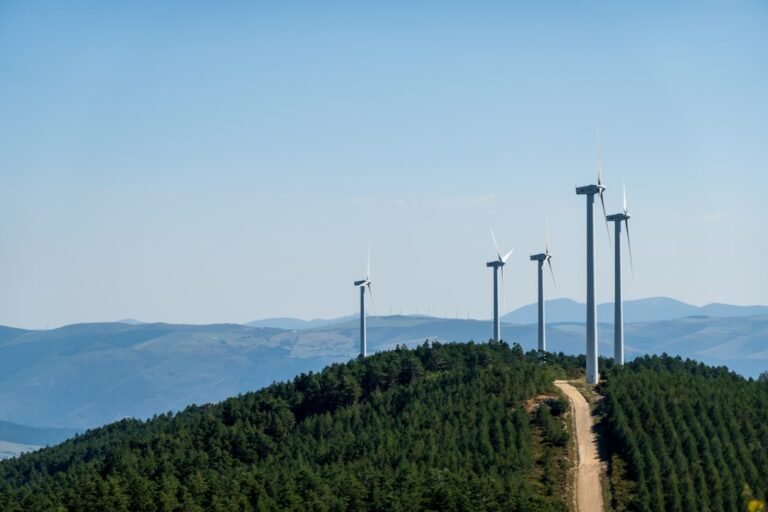
If you’ve got a quarter-acre lot or a small rural homestead and you’re wondering whether small-scale wind power is worth the investment, you’re asking the right question — and the honest answer is more nuanced than most manufacturers want you to believe. Residential wind generators have improved dramatically in the last few years, but the…
-
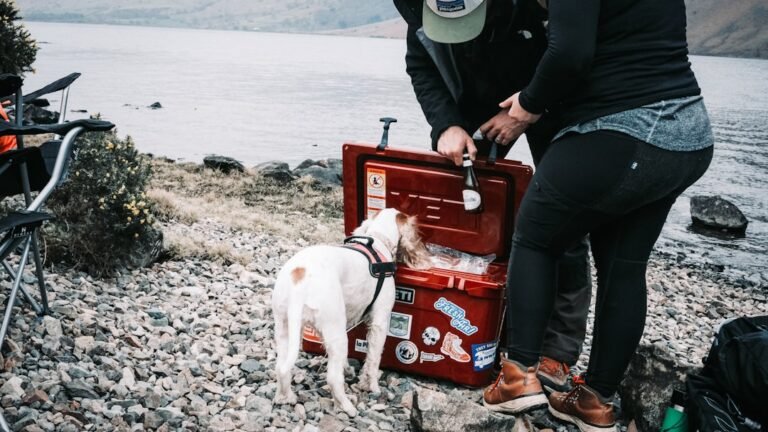
output-offgrid/what-cooler-keeps-ice-for-10-days.md The coolers most reliably verified to hold ice for 10 days or longer are the Yeti Tundra 65, Grizzly 60, and Orca 58-quart. All three use rotomolded construction with 2–3 inches of pressure-injected polyurethane insulation, commercial-grade gaskets, and certified bear-resistant latches. Real-world performance depends heavily on pre-chilling, ice-to-contents ratio, and ambient temperature — but…
-
Several premium rotomolded coolers can keep ice for five full days in real-world conditions. Based on manufacturer specs and verified buyer reports, the top performers include the YETI Tundra 65, ORCA 58 Quart, Pelican Elite 70QT, and Engel 65 High Performance. These coolers use thick polyurethane insulation (2–3 inches), freezer-grade gaskets, and heavy-duty latches to…
-
The most popular biodegradable hand soaps used for camping are Dr. Bronner’s Pure-Castile Liquid Soap, Campsuds, and Sea to Summit Wilderness Wash. These soaps break down naturally in soil and water, making them safe for backcountry and off-grid use. They’re free of synthetic fragrances, phosphates, and petrochemicals — the stuff that harms aquatic ecosystems. Most…
-
Finding reliable lighting when you’re completely off the electrical grid is one of those problems that sounds simple until you’re standing in a dark cabin with a dead flashlight. Between underpowered solar gadgets that barely light a closet, oil lamps that eat through fuel, and cheap LEDs that die after one season, most off-grid folks…