Best Coolers That Keep Ice 5+ Days (2024)
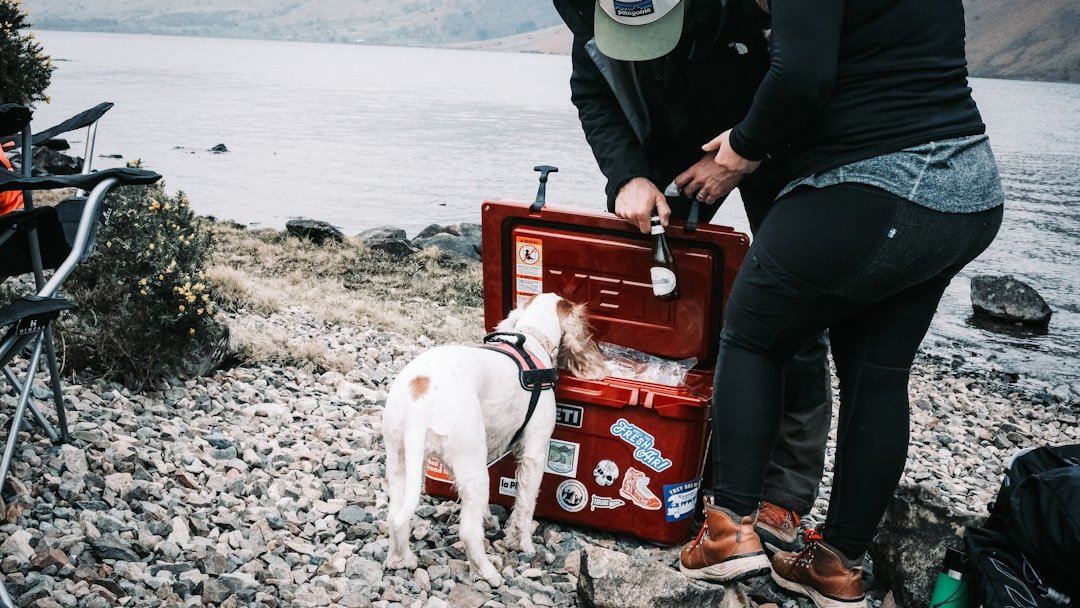
Several premium rotomolded coolers can keep ice for five full days in real-world conditions. Based on manufacturer specs and verified buyer reports, the top performers include the YETI Tundra 65, ORCA 58 Quart, Pelican Elite 70QT, and Engel 65 High Performance. These coolers use thick polyurethane insulation (2–3 inches), freezer-grade gaskets, and heavy-duty latches to maintain internal temperatures well below ambient for 120+ hours. Actual ice retention depends on pre-chilling, ice-to-contents ratio, ambient temperature, and how often you open the lid.
How Rotomolded Coolers Hold Ice for 5 Days
The secret behind multi-day ice retention is rotational molding — a manufacturing process that creates a single-piece shell with no seams, weak points, or thin spots. This seamless construction allows manufacturers to inject 2 to 3 inches of closed-cell polyurethane foam insulation into the walls, lid, and floor uniformly.
Here’s what separates a 5-day cooler from a standard Coleman:
- Wall thickness: Budget coolers use 0.5–1 inch of insulation. Five-day coolers pack in 2–3 inches on all six sides, including the lid (which cheap coolers often skimp on).
- Gasket seal: A continuous rubber gasket around the lid creates an airtight seal that blocks warm air infiltration. This is the single biggest differentiator.
- Drain plug quality: A cheap drain plug leaks cold air constantly. Premium coolers use threaded, recessed plugs with rubber washers.
- Lid insulation: Many mid-range coolers have thin or hollow lids. Every cooler on our list has a fully insulated, pressure-fit lid.
Realistic expectations matter. Manufacturer claims of “7-day” or “10-day” ice retention are tested in controlled environments — often at 70°F ambient with a 2:1 ice-to-air ratio and zero lid openings. In real off-grid use — summer heat, daily access, food packed inside — you should discount those claims by 30–40%. A cooler rated for 7 days will reliably deliver 4–5 days in practical conditions. A cooler rated for 10 days will give you 5–7.
Pre-chilling is non-negotiable. Loading a room-temperature cooler with ice wastes the first 10–20% of your ice just cooling down the insulation itself. The night before, fill the cooler with sacrificial ice or frozen water bottles. Dump it in the morning, then load your real ice and food. This single step can add a full day of retention.
The coolers we recommend below all have verified buyer reports confirming 5-day ice retention under normal camping and off-grid conditions — not just lab-tested manufacturer claims.
Which Specific Coolers Keep Ice for 5 Days?
YETI Tundra 65 — The benchmark. Three inches of PermaTrost insulation, a freezer-grade gasket, and T-Rex lid latches. Community feedback consistently reports 5–6 days of ice in summer conditions with normal use. It’s heavy at 29 lbs empty, but that weight is insulation doing its job. Check price on Amazon
ORCA 58 Quart — Made in the USA with similar rotomolded construction and insulation specs to YETI, often at a lower price point. Buyers regularly report 5-day performance. The integrated extendable flex-grip handles are more comfortable than YETI’s rope handles. Check price on Amazon
Pelican Elite 70QT — Pelican’s press-and-pull latches are the easiest to operate one-handed, and the built-in bottle opener is a nice touch. Two inches of polyurethane insulation delivers reliable 5-day retention per multiple verified buyer reports. Check price on Amazon
Engel 65 High Performance — Engel has been making coolers since 1962. Their 65-quart model uses a silicone gasket and stainless steel hardware that holds up in salt air environments. A strong pick for coastal or marine off-grid setups. Check price on Amazon
Does Cooler Size Affect Ice Retention?
Off-Grid Insider
Get off-grid guides & gear picks in your inbox — free
Yes — and it matters more than most people realize. A larger cooler has a better volume-to-surface-area ratio, meaning proportionally less heat enters relative to the total thermal mass inside. A 65-quart cooler will outperform a 25-quart cooler of the same brand and construction by 1–2 days, assuming both are packed correctly.
However, a half-empty large cooler performs worse than a properly packed smaller one. Dead air space inside the cooler is your enemy. If you can’t fill a 65-quart cooler, size down to a 45-quart or fill the remaining space with frozen water bottles.
How Do You Make a Cooler Last 5 Days?
Technique matters as much as the cooler itself. Follow these rules:
- Pre-chill the cooler 12–24 hours before loading with sacrificial ice.
- Use block ice as your base — block ice melts far slower than cubed ice due to lower surface area. Layer cubed ice on top for filling gaps.
- Freeze what you can — frozen meats, frozen water bottles, and frozen meals act as additional ice mass.
- Pack tight — eliminate air pockets. Fill gaps with ice or crumpled newspaper as insulation.
- Keep it closed — every opening exchanges cold air for warm air. Organize contents so you know where everything is and minimize rummaging.
- Keep it shaded — direct sun on a cooler in 95°F heat can cut ice life by 40%. Use a reflective blanket or tarp.
- Elevate it — hot ground radiates heat into the bottom. Place the cooler on a pallet, boards, or cooler stand.
Are Expensive Coolers Worth It for Off-Grid Use?
For weekend car camping, probably not — a $40 cooler and extra ice will get you through. But for off-grid living, extended hunting trips, emergency preparedness, or any situation where resupply isn’t easy, a premium cooler pays for itself. Buying ice every two days at $5–8 per bag adds up fast. A rotomolded cooler that stretches each ice purchase to 5+ days cuts your ice costs by more than half.
These coolers also last decades. YETI, Pelican, and ORCA all offer limited lifetime warranties on their hard coolers. We’ve seen community reports of 10+ year old YETIs still performing at spec.
Can a Powered Cooler Box Last 5 Days Instead?
Yes — 12V thermoelectric and compressor coolers eliminate ice entirely. Compressor-based models like the Dometic CFX3 55 or BougeRV 53 Quart can run indefinitely on solar power, making them ideal for permanent or semi-permanent off-grid setups. They draw 30–60 watts and can be paired with a 100W solar panel and a small battery bank.
The tradeoff: powered coolers cost $300–$800+ and require a reliable power source. If your off-grid setup already includes solar, they’re the better long-term investment. If you’re mobile or budget-constrained, a good rotomolded cooler with proper ice management is simpler and more reliable.
Check Dometic CFX3 on Amazon | Check BougeRV 53 Quart on Amazon
What Ice Type Lasts Longest in a Cooler?
Block ice wins every time. A single 10-lb block can outlast 10 lbs of cubed ice by 2–3 days because of its dramatically lower surface-area-to-volume ratio. For maximum 5-day performance, use a layered approach: block ice on the bottom, food in the middle, cubed or crushed ice filling the gaps on top.
You can make your own block ice by freezing water in clean milk jugs, Tupperware containers, or silicone molds. Dry ice is another option — it can extend cooler life significantly — but it requires ventilation (CO₂ buildup in enclosed spaces is dangerous) and must not contact food directly.
What Size Cooler Do You Need for 5 Days?
For a solo off-grid trip, a 45-quart cooler is sufficient for 5 days if you freeze most of your meals and use block ice. For two people, step up to a 65-quart. For a family of four, you’ll likely need a 75–110 quart cooler or two smaller coolers — one for drinks (opened frequently) and one for food (opened sparingly). Splitting drinks and food across two coolers is one of the most effective strategies for extending ice life.
A rotomolded cooler from YETI, ORCA, Pelican, or Engel in the 58–75 quart range will reliably hold ice for 5 days under real-world off-grid conditions — provided you pre-chill, pack smart, and minimize lid openings. For permanent off-grid setups with solar power, a 12V compressor cooler eliminates the ice question entirely and is worth the upfront investment.