7 Best Off-Grid Survival Kits for 2026
Every off-grid survival kit needs seven core categories covered: water purification, shelter and warmth, fire-starting, first aid, food procurement and storage, communication and signaling, and backup power. We’ve researched dozens of checklists from emergency management agencies, off-grid community forums, and gear manufacturers to build a no-fluff essentials list. The best kits prioritize multi-use items, pack down small, and account for scenarios specific to remote property living — not just weekend camping.
The Complete Off-Grid Survival Kit Essentials Checklist
Building an emergency preparedness kit for off-grid living is different from assembling a standard 72-hour bag. You’re not bridging the gap until help arrives — you’re preparing for situations where help may not come at all, or where your existing systems (solar, well pump, wood heat) fail simultaneously. That changes what belongs in the kit.
Water (minimum 1 gallon per person per day, 14-day supply recommended):
– Gravity-fed water filter rated to 0.1 microns or better (Sawyer, Berkey, LifeStraw Community)
– Backup purification tablets (chlorine dioxide, not iodine — longer shelf life)
– Collapsible water containers, 5-gallon minimum
– Knowledge of your nearest natural water source and the route to reach it
Shelter and Warmth:
– Emergency bivvy or mylar sleeping bag per person
– Heavy-duty tarps (minimum 10×12 ft)
– 550 paracord, 100 ft minimum
– Wool blankets — they insulate when wet, unlike synthetic fills in extreme conditions
– Hand and body warmers (minimum 24-hour supply)
Fire:
– Ferrocerium rod and striker
– Stormproof matches in waterproof container
– Bic lighters (at least three — they’re cheap and reliable)
– Tinder supply: fatwood sticks, petroleum jelly cotton balls, or commercial fire starters
First Aid (critical for remote properties):
– Trauma kit: tourniquet (CAT or SOFTT-W), Israeli bandage, chest seals, hemostatic gauze
– Standard supplies: adhesive bandages, gauze rolls, medical tape, antiseptic wipes
– Medications: minimum 30-day supply of all prescriptions, plus OTC pain relievers, antihistamines, anti-diarrheal, and electrolyte packets
– SAM splint, triangular bandages, and an emergency dental kit
– Comprehensive first aid manual — not everyone in your household will have training
Food:
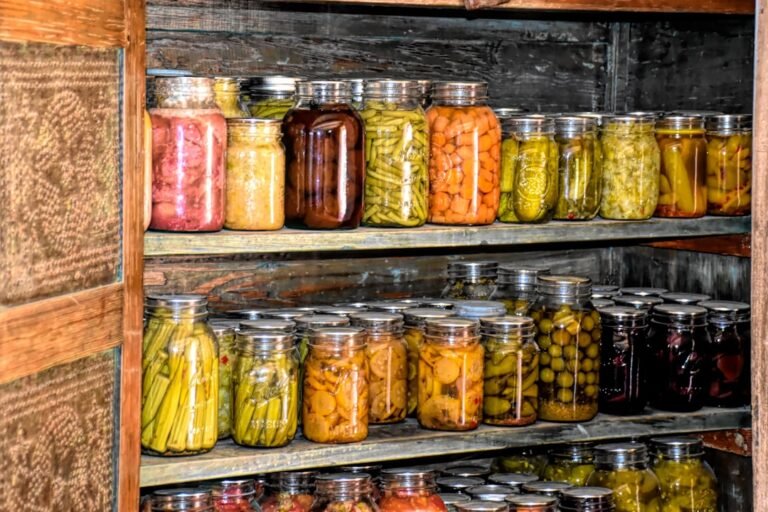
– Freeze-dried meals (25-year shelf life, 2,000 calories per person per day)
– High-calorie bars (Datrex, SOS, or Mainstay ration bars)
– Manual grain mill if you store bulk wheat or corn
– Fishing line, hooks, and snare wire for procurement
– Cast iron cookware for open-fire use
Communication and Signaling:
– Hand-crank or solar-powered emergency radio (NOAA weather band)
– Signal mirror and whistle
– Two-way radios (FRS/GMRS), charged and with spare batteries
– Written contact list and local area map — your phone may be dead
Backup Power and Tools:
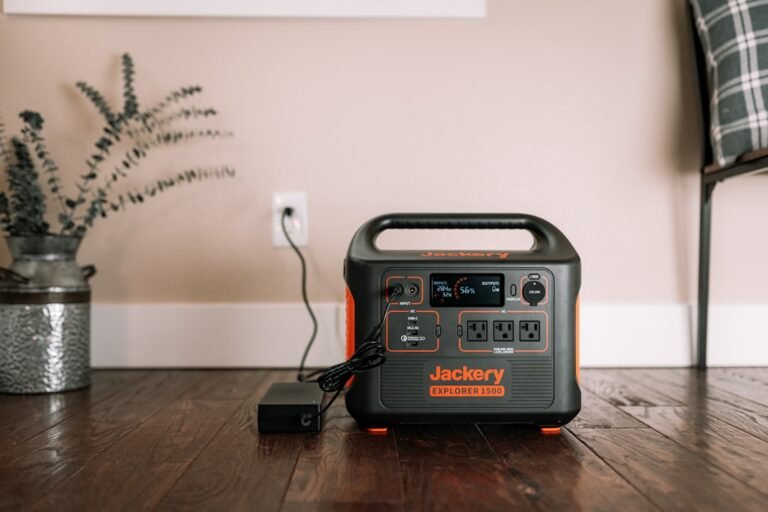
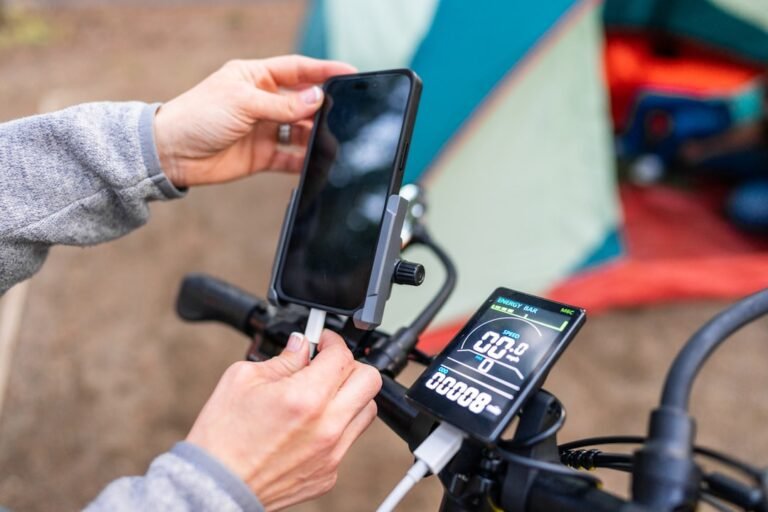
– Solar-charged power station (minimum 500Wh for essential device charging)
– Headlamps and lanterns with spare batteries
– Multi-tool or fixed-blade knife
– Folding saw and hatchet
– Duct tape, zip ties, baling wire — the universal repair kit
Store everything in clearly labeled, waterproof containers. We recommend staging kits in two locations: your primary shelter and a secondary cache (outbuilding, vehicle, or buried container) in case you lose access to one.
What Should Be in a First Aid Kit for a Remote Property?
A first aid kit for remote property living needs to go well beyond bandages and aspirin. When the nearest hospital is 45 minutes or more away, you need trauma-capable supplies and the training to use them.
At minimum, stock a CAT tourniquet, Israeli compression bandage, hemostatic gauze like QuikClot, and chest seals. These address the injuries most likely to be fatal before EMS arrives: severe bleeding and penetrating chest wounds. Add a SAM splint for fractures, a CPR pocket mask, and a quality pair of trauma shears.
Beyond trauma gear, keep a 30- to 90-day rotating supply of all prescription medications. Include a broad-spectrum antibiotic ointment, burn gel, eye wash, and a dental emergency kit for cracked teeth or lost fillings. A printed first aid reference like the Where There Is No Doctor handbook is invaluable when you can’t search the internet.
We strongly recommend taking a Wilderness First Responder or at least a Stop the Bleed course. Gear without training is just dead weight.
How Do You Plan Backup Power for Survival Scenarios Off-Grid?
Off-Grid Insider
Get off-grid guides & gear picks in your inbox — free
Backup power survival scenario planning starts with identifying your non-negotiable electrical loads. For most off-grid households, that means well pump, refrigeration, medical devices, and communication equipment.
Calculate your critical daily watt-hour consumption, then size your backup to cover at least three days without solar input. A portable power station in the 1,000–2,000Wh range handles device charging and small loads. For well pumps and refrigeration, you’ll likely need a dual-fuel generator (gasoline/propane) rated at 3,000W or more, with fuel stored safely for a minimum two-week runtime.
Layer your backup: primary solar array, battery bank, portable power station, and generator as a last resort. Redundancy matters more than raw capacity. Keep at least one solar panel rated at 100W or higher that’s independent of your main array, stored and ready to deploy.
How Often Should You Rotate Off-Grid Survival Kit Supplies?
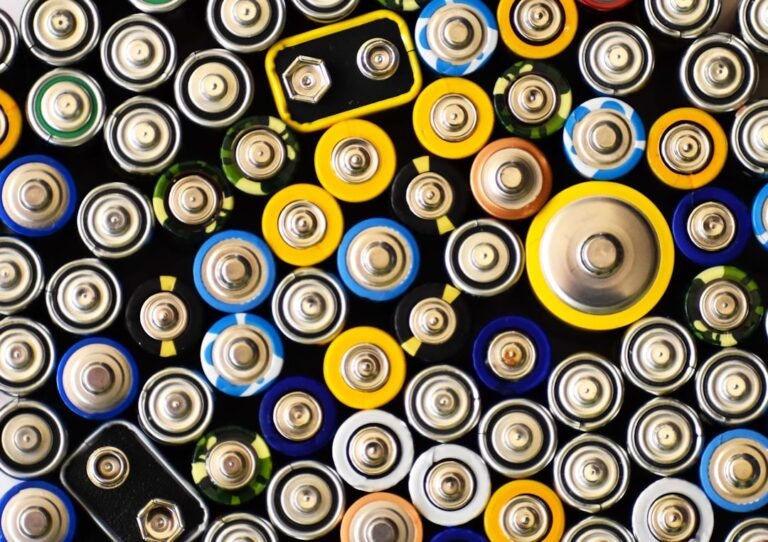
Check and rotate your kit every six months — we recommend tying it to daylight saving time changes as a simple reminder. Batteries, medications, water purification tablets, and food all have expiration dates that can sneak up on you.
Freeze-dried food lasts 25 years sealed, but once opened, most brands recommend consuming within a year. Lithium batteries hold charge better than alkaline in storage but still degrade. Medications typically maintain potency for 1–2 years past their printed expiration, but insulin, epinephrine, and liquid antibiotics degrade faster and should be replaced on schedule.
Document your rotation dates on a simple spreadsheet or a laminated checklist stored with the kit itself.
What Is the Best Way to Store a Survival Kit on a Remote Property?
Store kits in watertight, rodent-proof containers. Heavy-duty plastic totes with latching lids work for indoor storage. For outbuildings or buried caches, use military-surplus ammo cans or Pelican-style cases with desiccant packs inside.
Avoid temperature extremes — uninsulated sheds in Arizona or unheated garages in Minnesota will destroy medications, batteries, and some food items. A root cellar or insulated interior closet is ideal. If you maintain a secondary cache away from your main structure, mark its GPS coordinates and share them with trusted household members.
Do You Need a Separate Kit for Each Season?
You don’t need entirely separate kits, but you should have seasonal supplemental modules. Winter demands extra insulation layers, hand warmers, tire chains, and a snow shovel. Summer calls for additional water capacity, electrolyte supplements, sunscreen, and insect repellent with DEET or picaridin.
Keep your core kit static year-round and swap a smaller seasonal bag in and out. This avoids duplication and keeps weight manageable if you need to move the kit quickly.
What Emergency Communication Options Work Off-Grid?
When cell service doesn’t exist, your options are: ham radio (requires a license but gives you the most range and flexibility), satellite messengers like the Garmin inReach, GMRS radios for local communication, and a NOAA weather radio for incoming alerts.
A satellite messenger with SOS capability is the single most important communication device for remote property owners. Monthly subscription costs run $12–$65 depending on the plan, but the ability to send your GPS coordinates to search and rescue is worth every cent. Pair it with a set of GMRS two-way radios for on-property communication between household members during an emergency.
How Much Does a Complete Off-Grid Survival Kit Cost?
Budget approximately $500–$1,500 for a comprehensive single-person kit, depending on whether you already own overlapping gear. The biggest line items are a quality water filter ($70–$300), backup power solution ($200–$2,000), trauma-grade first aid supplies ($80–$200), and a satellite communicator ($300–$400 plus subscription).
Build your kit in stages if budget is tight. Prioritize water, first aid, and communication first — those address the scenarios most likely to turn fatal. Fire, shelter, and food procurement gear can be added incrementally. Buy quality on the items that matter most (water filter, tourniquet, power station) and save on the rest.
An off-grid survival kit isn’t a one-time purchase — it’s a system you build, rotate, and refine as your property and skills develop. Start with the essentials checklist above, fill in the gaps specific to your climate and terrain, and revisit the whole setup twice a year. The best kit is the one that’s packed, accessible, and ready before you need it.