7 Best Natural Cleaners for Off-Grid Living 2026
Living off-grid means every chemical you use ends up somewhere — your greywater garden, your septic field, or the creek downhill from your cabin. Most mainstream cleaners are loaded with phosphates, synthetic fragrances, and surfactants that wreak havoc on soil biology and aquatic life. Finding biodegradable cleaning products off grid that actually cut grease and kill bacteria without poisoning your land takes real research, not just grabbing whatever says “green” on the label.
Our top pick: Dr. Bronner’s Pure-Castile Liquid Soap — the Swiss Army knife of off-grid cleaning.
Best budget pick: Sal Suds Biodegradable Cleaner — concentrated, so a bottle lasts months.
Best for laundry: Charlie’s Soap Laundry Powder — works in cold water, rinses clean, greywater-safe.
Our Picks
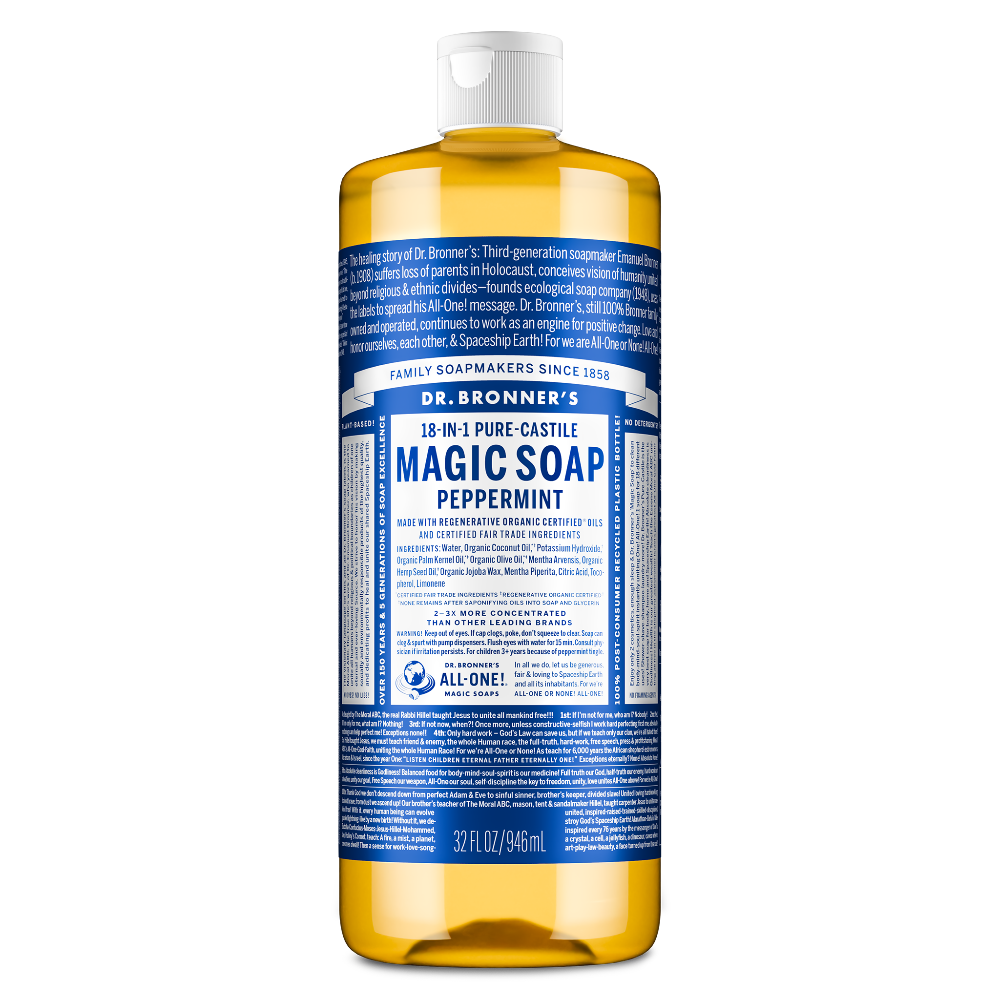
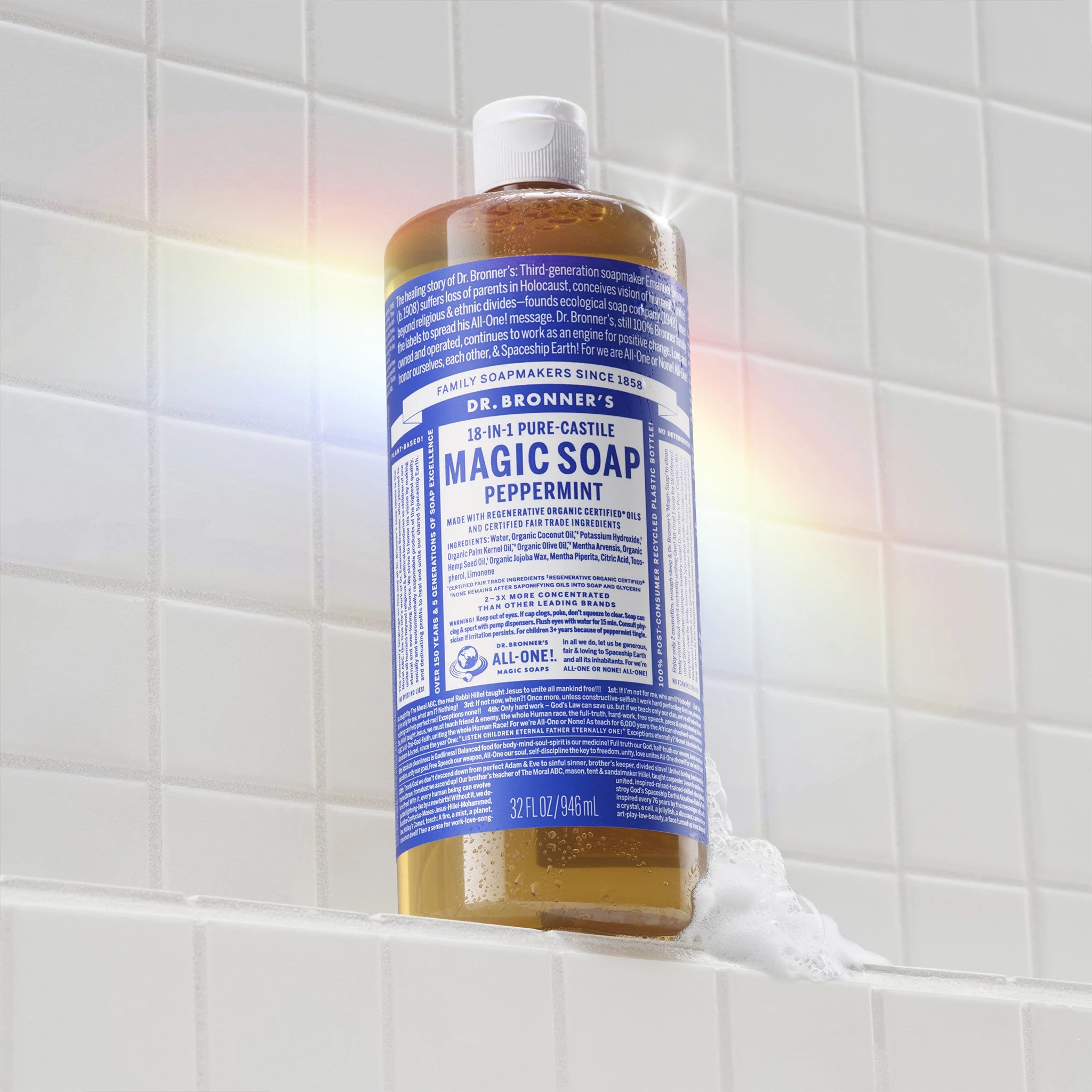
Dr. Bronner’s Pure-Castile Liquid Soap (32 oz)

This is the product that shows up in practically every off-grid forum thread about cleaning, and for good reason. One bottle dilutes into dish soap, body wash, all-purpose spray, and even a garden pest deterrent — which matters when storage space is limited and resupply trips are rare.
Who it’s for: Anyone who wants one product to handle 80% of their cleaning needs off-grid.
Pros:
– Truly multi-use — documented dilution ratios for at least 18 different applications on the label itself
– Certified organic, Fair Trade, and fully biodegradable with no synthetic preservatives, detergents, or foaming agents
– Available in unscented (Baby Mild) for those running greywater to sensitive garden beds
Cons:
– Leaves a film in hard water areas unless you add a vinegar rinse
– The concentrated formula means it’s easy to use too much, which wastes product and creates excess suds in greywater systems
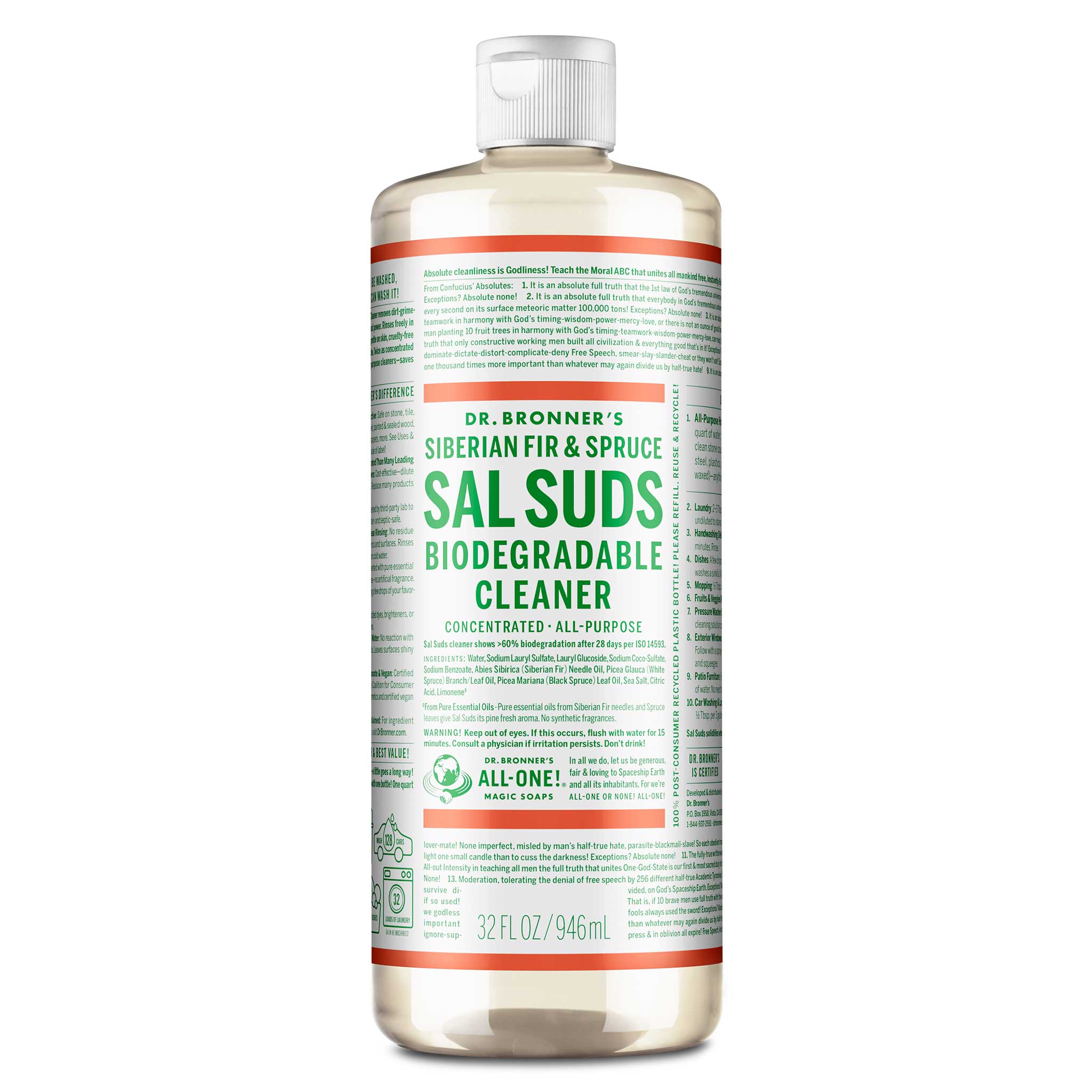
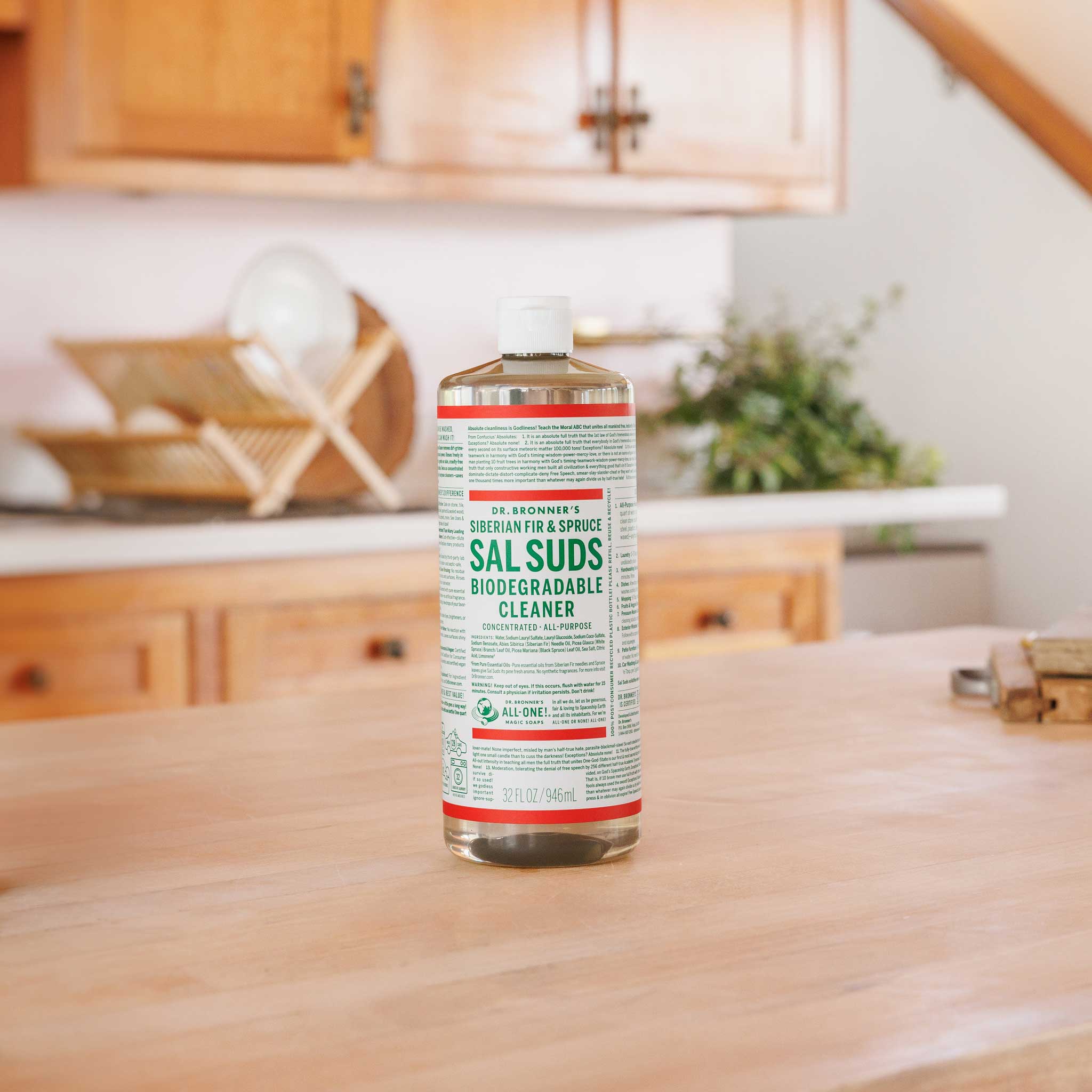
Sal Suds Biodegradable Cleaner
Off-Grid Insider
Get off-grid guides & gear picks in your inbox — free
Sal Suds is Dr. Bronner’s tougher sibling — a plant-based surfactant cleaner rather than a true soap. It handles greasy dishes, grimy floors, and filthy work clothes better than castile soap, and it rinses cleaner in hard water. The concentration is extreme: half a tablespoon per gallon of water for most jobs.
Who it’s for: Off-gridders who need serious degreasing power — think workshop floors, cast iron maintenance, or cleaning up after butchering.
Pros:
– Extraordinary concentration means a single 16 oz bottle can last a household 4-6 months based on manufacturer dilution ratios
– Rinses completely without film, even in well water with high mineral content
– SDS (Safety Data Sheet) confirms rapid biodegradability and low aquatic toxicity
Cons:
– Contains sodium lauryl sulfate (SLS) — plant-derived but some people with skin sensitivities react to it
– Not a true soap, so it won’t double as a body wash the way castile soap does
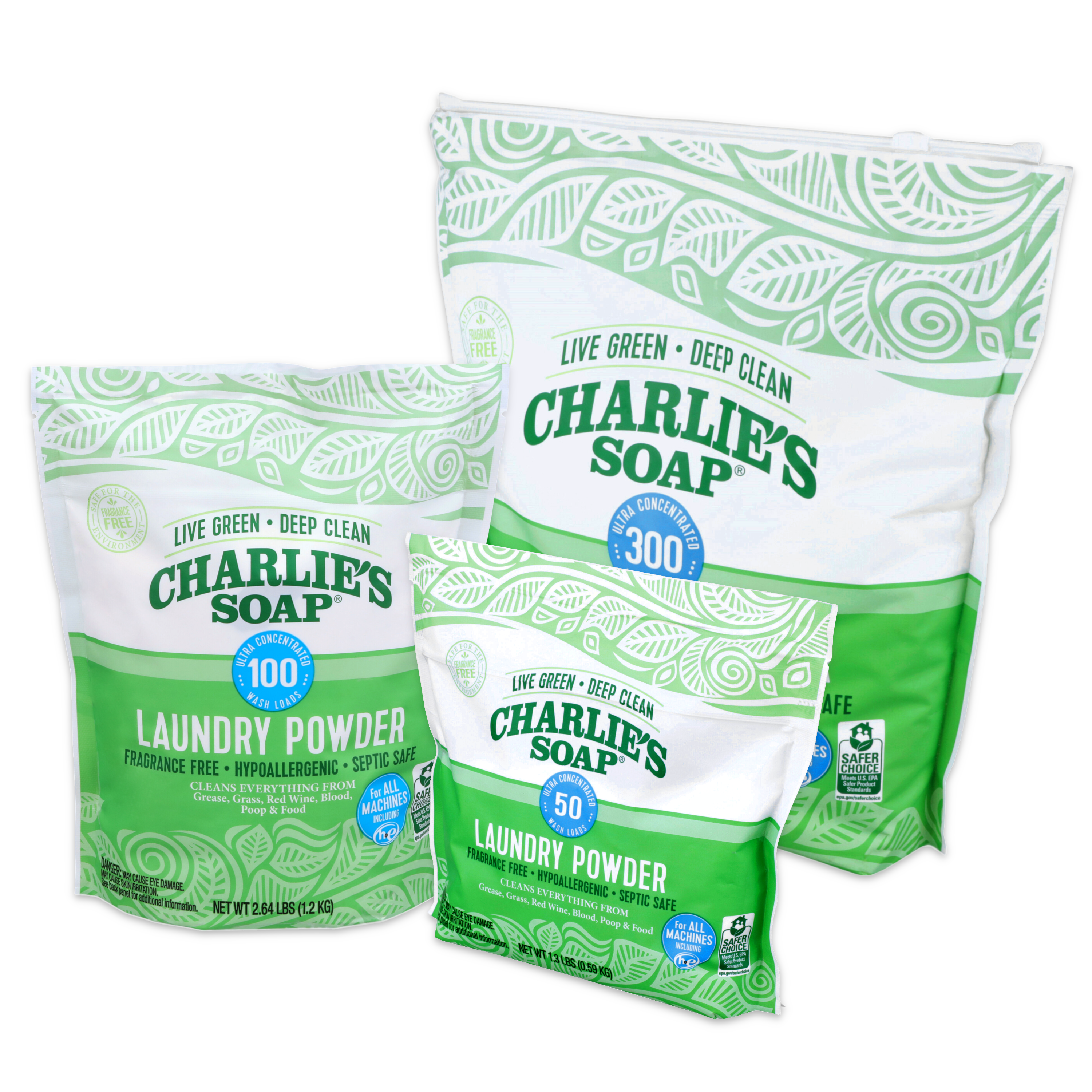
Charlie’s Soap Laundry Powder

Laundry is one of the biggest greywater concerns off-grid, and Charlie’s Soap has become the go-to recommendation in permaculture and homesteading communities. The formula uses coconut-based surfactants and washing soda — no fragrances, no dyes, no optical brighteners. It works in cold water, which matters if you’re heating wash water with propane or solar thermal and want to conserve energy.
Who it’s for: Off-grid households doing laundry by hand or with a low-water machine and routing greywater to landscaping or leach fields.
Pros:
– Works effectively in cold water, reducing energy demands for laundry day
– No fragrance or dye means greywater-safe — verified by multiple permaculture greywater guides
– One tablespoon per load keeps cost per wash extremely low
Cons:
– Some users report it doesn’t handle heavily soiled work clothes as well as Sal Suds or a dedicated laundry soap
– The powder can clump in humid storage conditions — keep it sealed tight
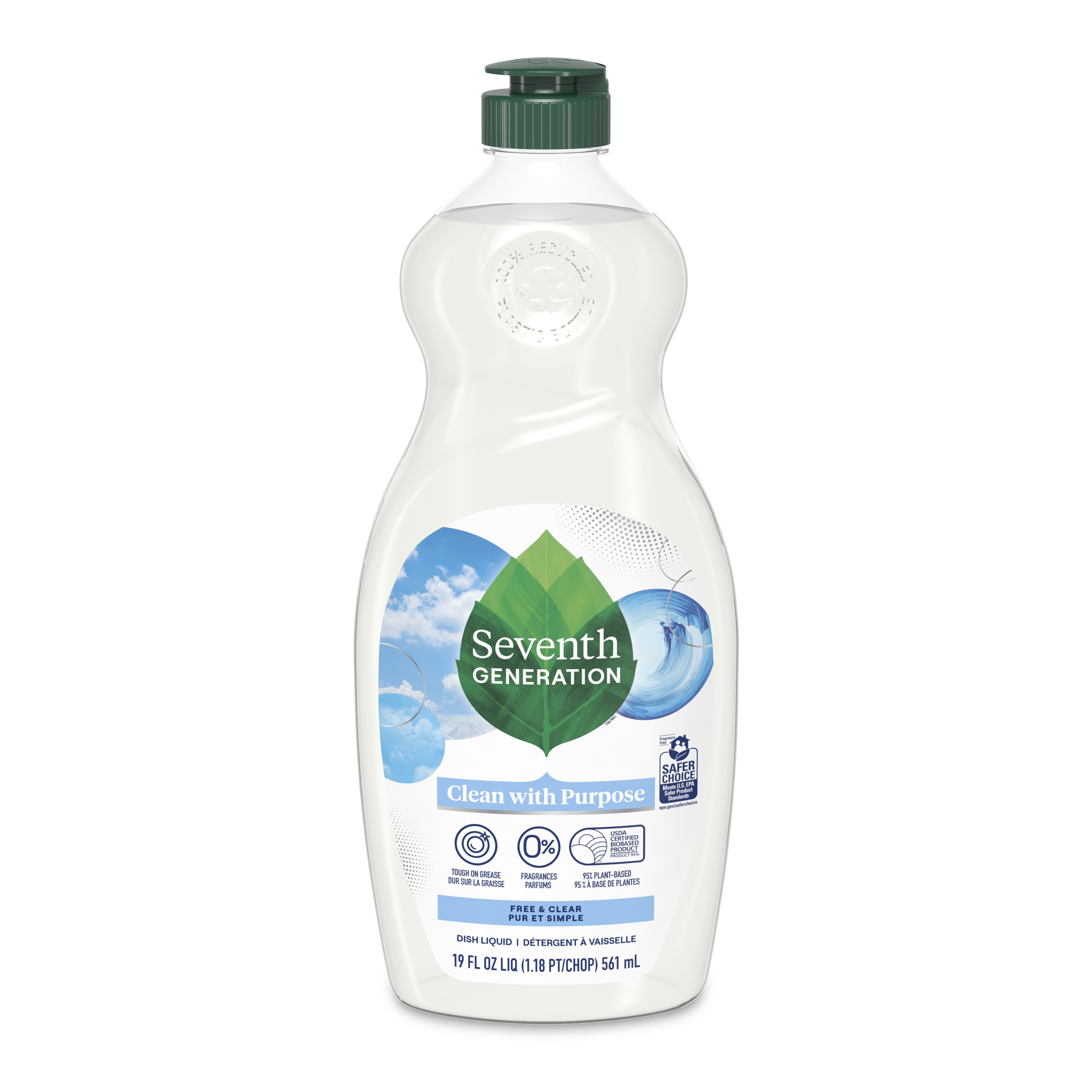
Seventh Generation Dish Liquid – Free & Clear

If you want a dedicated dish soap that’s widely available and has a strong biodegradability profile, Seventh Generation’s Free & Clear formula is a solid, no-nonsense choice. It’s USDA BioPreferred certified and uses plant-derived surfactants with no fragrances, dyes, or triclosan.
Who it’s for: People who prefer a conventional dish soap experience without the conventional environmental damage — especially useful if you’re easing into off-grid cleaning and don’t want to learn castile soap dilution ratios yet.
Pros:
– Familiar squeeze-bottle dish soap format — no mixing or diluting required
– USDA BioPreferred certified with 95%+ bio-based content
– Widely stocked at grocery stores, making resupply easy even on infrequent town trips
Cons:
– Less versatile than castile soap or Sal Suds — it’s really just a dish soap
– More packaging waste per cleaning task compared to concentrated options


Distilled White Vinegar (1 gallon)

We’d be leaving out arguably the most important off-grid cleaning product if we skipped plain white vinegar. It’s a disinfectant (studies show it kills many common bacteria and mold species), a descaler, a deodorizer, a fabric softener replacement, and a rinse aid for castile soap in hard water. At roughly three dollars a gallon, nothing else comes close on cost-per-use.
Who it’s for: Every off-grid household. Period. It’s a foundational supply, not a specialty product.
Pros:
– Completely non-toxic and fully biodegradable — safe for all greywater systems without exception
– Eliminates hard water film and mineral deposits on dishes, fixtures, and solar panels
– Doubles as a food-safe surface sanitizer when used at full strength (5% acetic acid)
Cons:
– The smell is strong during use, though it dissipates completely as it dries
– Cannot be mixed with castile soap directly — they neutralize each other (wash with soap first, rinse with vinegar second)
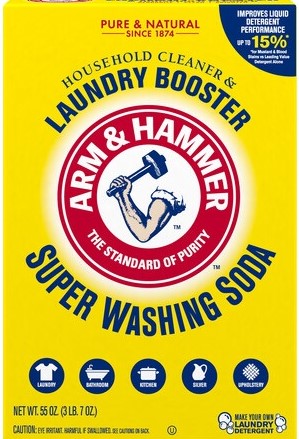
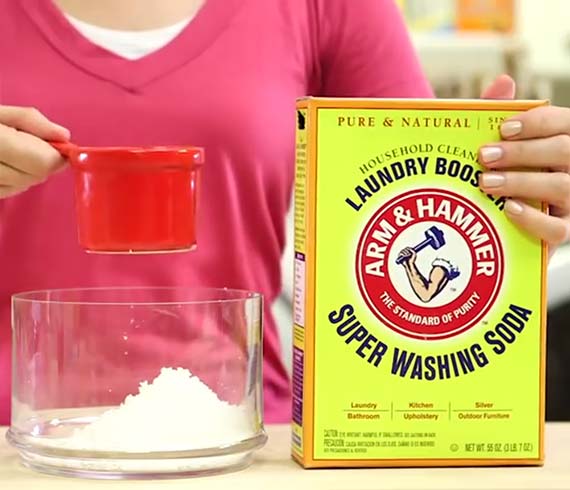
Washing Soda (Arm & Hammer Super Washing Soda)

Washing soda (sodium carbonate) is an old-school powerhouse that belongs in every off-grid cleaning kit. It boosts laundry cleaning power, strips grease from cookware, unclogs slow drains, and softens hard water. It’s a single-ingredient product — just sodium carbonate — so there’s nothing questionable hiding in the formula.
Who it’s for: Off-gridders dealing with hard water, heavy grease, or anyone making their own cleaning solutions from bulk ingredients.
Pros:
– A single ingredient (sodium carbonate) with well-understood environmental behavior — fully mineral, fully biodegradable
– Dramatically improves soap and detergent performance in hard water by binding calcium and magnesium ions
– Extremely cheap per use — a 55 oz box handles months of cleaning tasks
Cons:
– Alkaline enough to irritate skin with prolonged bare-hand contact — use gloves for heavy scrubbing
– Raises pH of greywater, which can stress acid-loving plants if not managed
Vermont Soap Castile Liquid Soap

Vermont Soap is a smaller operation than Dr. Bronner’s but earns strong loyalty in the off-grid community for its USDA Organic certification and slightly thicker formula. The company publishes detailed greywater compatibility information, which is uncommon and appreciated. If you want an alternative castile soap from a smaller producer with transparent sourcing, this is the one.
Who it’s for: Homesteaders who prefer supporting smaller domestic producers and want a castile soap with published greywater safety data.
Pros:
– USDA Organic certified with a short, transparent ingredient list
– Thicker consistency than Dr. Bronner’s, making it easier to control dispensing and dilution
– Company provides specific greywater guidance on their site — rare for any soap brand
Cons:
– Higher price per ounce than Dr. Bronner’s, with smaller distribution
– Fewer scent options, though unscented is available and recommended for greywater use
How We Chose
We evaluated these products based on three non-negotiable criteria for off-grid use: full biodegradability verified through SDS data or third-party certifications, versatility across multiple cleaning tasks to minimize the number of products you need to store and haul, and documented real-world performance from homesteading and permaculture communities. We cross-referenced manufacturer claims against verified buyer feedback on Amazon, forum discussions on r/homestead and permies.com, and published greywater system guidelines. Products with vague “eco-friendly” marketing but no verifiable biodegradability data were excluded.
Buying Guide: What Actually Matters

Greywater Compatibility
This is the single most important factor when choosing biodegradable cleaning products off grid. If your greywater goes to a leach field, garden beds, or any soil system, you need products free of boron (found in borax-based cleaners), sodium chloride in high concentrations, synthetic fragrances, and antibacterial agents like triclosan. Look for products that explicitly address greywater use or have readily available Safety Data Sheets you can review.
Concentration and Shelf Life
Off-grid resupply is expensive and infrequent. Concentrated products like Sal Suds and castile soap deliver dramatically more cleaning per bottle, reducing both cost and the number of containers you’re hauling down a dirt road. Powders like Charlie’s Soap and washing soda store indefinitely if kept dry, which makes them ideal for bulk buying. Liquid products generally last 2-3 years unopened.
Hard Water Performance

If you’re on well water — and most off-grid properties are — you’re almost certainly dealing with hard water. Hard water reacts with true soaps (like castile soap) to form a sticky residue called soap scum. Solutions: use a detergent-based cleaner like Sal Suds, add washing soda to soften the water before washing, or follow every soap wash with a vinegar rinse. Knowing your water hardness (a simple test strip kit costs a few dollars) will save you a lot of frustration.
Multi-Use Versatility

Every product in your off-grid pantry should earn its shelf space. We prioritized products that handle multiple cleaning tasks over single-purpose specialty cleaners. A bottle of castile soap that cleans dishes, floors, counters, and your body is worth more than four separate products that each do one job. The fewer products you stock, the less you haul, the less you store, and the less you spend.
FAQ
What are the best natural cleaning products for off-grid living?
Dr. Bronner’s Pure-Castile Liquid Soap is our top overall pick for off-grid cleaning. It handles dishes, surfaces, floors, and body washing from a single bottle, biodegrades completely, and works in greywater systems. Paired with white vinegar and washing soda, it covers virtually every cleaning task in an off-grid home.
Are biodegradable cleaning products safe for septic systems?
Yes — biodegradable products are generally safe for septic systems because they break down through natural microbial processes, which is exactly what a septic system relies on. Avoid products with antibacterial agents (triclosan, benzalkonium chloride) as these can kill the beneficial bacteria your septic tank needs to function. All seven products on our list are septic-safe.
Can I use castile soap in hard well water?
You can, but you’ll need to manage the hard water reaction. Castile soap and hard water minerals combine to form soap scum — that white film on dishes and surfaces. The fix is straightforward: add washing soda to your wash water to soften it, or follow your castile soap wash with a white vinegar rinse to dissolve the residue. Alternatively, use Sal Suds, which is a detergent and doesn’t react with hard water the same way.
How do I make my own cleaning products for off-grid use?
Start with three base ingredients: castile soap, white vinegar, and washing soda. For an all-purpose spray, mix one tablespoon of castile soap per quart of water in a spray bottle. For a scouring paste, combine washing soda with enough water to form a thick paste. For glass and surface disinfecting, use a 1:1 vinegar-to-water solution. Never mix castile soap and vinegar together — they cancel each other out chemically.
What cleaning products should I avoid if I have a greywater system?
Avoid anything containing boron or borax in high concentrations, chlorine bleach, synthetic fragrances, antibacterial compounds (triclosan, triclocarban), and products with high sodium content. Also avoid “oxy” cleaners that use sodium percarbonate in large amounts, as the sodium loading can damage soil structure over time. When in doubt, check the product’s Safety Data Sheet — if it lists aquatic toxicity warnings, keep it away from your greywater.
Our Verdict
For most off-grid households, Dr. Bronner’s Pure-Castile Liquid Soap remains our top recommendation — its versatility, proven biodegradability, and massive community track record make it the backbone of any natural off-grid cleaning kit. Pair it with a gallon of white vinegar and a box of washing soda, and you’ve got a three-product system that handles every cleaning task on a homestead without putting a single questionable chemical into your soil or water. If you need more degreasing muscle, add a bottle of Sal Suds Biodegradable Cleaner — between these four staples, we haven’t found a cleaning job they can’t handle.