7 Best Bug Out Bags 2026: Emergency Prep Guide
When disaster strikes — wildfire, flood, grid failure — you don’t get to browse Amazon for two hours. You grab one bag and go. The problem? The bug out bag market is flooded with cheap survival gear kits that fall apart under real stress and overbuilt tactical packs that weigh 8 pounds empty. We dug through manufacturer specs, verified buyer reports, and community feedback from prepper and off-grid forums to find the emergency evacuation backpack options that actually deliver when it counts.
Our top pick: 5.11 Tactical RUSH72 2.0 — best overall capacity and durability for a 72-hour bug out bag.
Best budget: Mardingtop 60L Military Tactical Backpack — solid MOLLE webbing and comfortable carry for under $60.
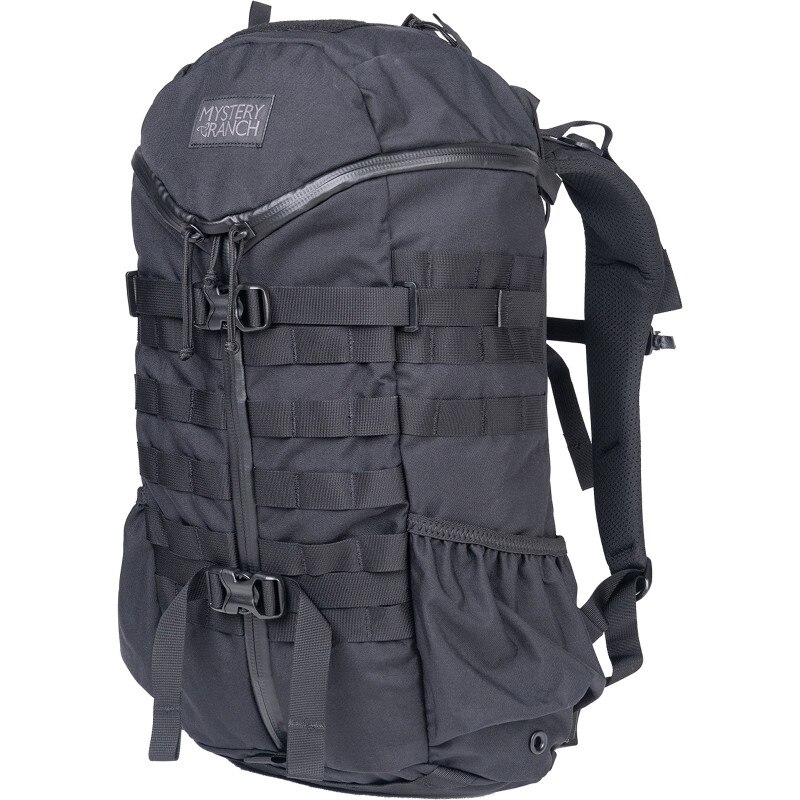
Best ultralight: Mystery Ranch 2 Day Assault Pack — serious load-hauling comfort at just over 3 lbs.
Our Picks
5.11 Tactical RUSH72 2.0 Backpack
Best Overall Bug Out Bag
The RUSH72 2.0 is the pack we recommend to most people building a 72-hour bag from scratch. At 55 liters with a 1050D nylon body, it swallows three days of off-grid emergency supplies without feeling like a suitcase strapped to your back — the updated yoke shoulder strap system distributes weight far better than the original RUSH72.
Who it’s for: Anyone building a serious 72-hour kit who wants one pack they won’t outgrow.
Pros:
– 55L main compartment with a dedicated hydration pocket and 22 total compartments for organized packing
– 1050D nylon construction with self-repairing YKK zippers — this fabric shrugs off brush, rock, and rough handling
– Full MOLLE webbing on three sides lets you attach pouches, med kits, or additional survival gear kits as your loadout evolves
Cons:
– At 4.2 lbs empty, it’s heavier than ultralight alternatives — you’re paying for durability in weight
– The dark colorways (black, double tap) absorb heat in direct sun; choose the kangaroo or ranger green if you’re in a hot climate
Mystery Ranch 2 Day Assault Pack
Off-Grid Insider
Get off-grid guides & gear picks in your inbox — free
Best for Load Comfort
Mystery Ranch builds packs for wildland firefighters and military operators, and the 2 Day Assault brings that same load-carrying DNA to a 27L format. The patented 3-ZIP design opens the entire main compartment flat, which makes packing and grabbing gear fast — a real advantage when you’re loading an emergency evacuation backpack at 3 AM.
Who it’s for: Experienced hikers or preppers who prioritize carry comfort and speed of access over maximum volume.
Pros:
– The FUTURA yoke and frame sheet transfer weight to hips exceptionally well, even at 30+ lbs
– 3-ZIP full-panel access means no digging — everything is visible and reachable in seconds
– 500D CORDURA body keeps weight down (3.1 lbs empty) while maintaining abrasion resistance
Cons:
– 27L is tight for a full 72-hour loadout — you’ll need to pack strategically or supplement with MOLLE attachments
– Premium price point (typically $200+) is a steep entry for budget-conscious preppers
Mardingtop 60L Military Tactical Backpack

Best Budget Bug Out Bag
This is the pack we point people to when they want a functional 72-hour bag without spending $150+. The Mardingtop 60L delivers surprisingly competent MOLLE integration, a rain cover, and enough compartments to organize a complete set of off-grid emergency supplies. Buyer reports consistently praise the stitching and zipper quality relative to the price.
Who it’s for: First-time preppers, families building multiple bags on a budget, or anyone who wants a capable pack under $60.
Pros:
– 60L capacity handles a full 72-hour kit with room for bulky items like sleeping bags or water filtration
– Included rain cover, waist belt, and chest strap — features that cost extra on many competitors
– Dense MOLLE webbing across the front panel and sides for attaching pouches and survival gear kits
Cons:
– 600D polyester won’t match the tear resistance of 1000D+ nylon packs in heavy brush or over years of use
– Hip belt padding is thin — loads over 35 lbs start to dig in on longer carries
Kelty Redwing 50

Best Crossover / Low-Profile Option
Not everyone wants a tactical-looking pack. The Kelty Redwing 50 is a proven hiking backpack that doubles perfectly as a bug out bag — it won’t draw attention in an urban evacuation the way a full MOLLE rig does. The U-shaped front panel zipper opens the entire bag flat, and Kelty’s LightBeam suspension handles heavy loads surprisingly well for a pack in this price range.
Who it’s for: Urban and suburban preppers who want a gray-man bag that blends in during evacuation scenarios.
Pros:
– 50L capacity in a clean, non-tactical silhouette — no one looks twice at a hiking pack
– Full front-panel U-zip access plus a dedicated sleeping bag compartment at the bottom
– LightBeam aluminum stays and padded hip belt provide real load transfer at a fraction of the cost of technical packs
Cons:
– No MOLLE webbing — you can’t attach external pouches without aftermarket adapters
– Limited internal organization compared to tactical packs; you’ll want packing cubes or stuff sacks
Eberlestock F4 Terminator
Best for Heavy / Extended Loadouts
The F4 Terminator is overbuilt by design. Eberlestock makes this pack for hunters hauling meat out of the backcountry, and that same heavy-load engineering makes it exceptional for preppers who pack heavy — think full water storage, tools, and extended survival gear kits. The integrated rifle scabbard is a bonus for those whose bug out plans include a long gun.
Who it’s for: Preppers in rural areas with heavy loadouts, especially those who need to carry a firearm, tools, or extended supplies.
Pros:
– Rated for loads up to 80 lbs with a rigid internal frame and beefy hip belt — this pack doesn’t sag or shift
– Built-in rifle scabbard (A-TACS compatible) accommodates most long guns without external attachment
– 3,300 cubic inches of main capacity plus expandable side pockets for bulky or irregular gear
Cons:
– At 7+ lbs empty, this is one of the heaviest packs on our list — it’s meant for vehicle-to-location use, not 20-mile foot marches
– The size and tactical profile make it impractical for urban or low-profile evacuation scenarios
Direct Action Ghost MkII Backpack
Best Compact / 48-Hour Option
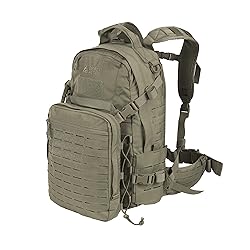
The Ghost MkII hits a sweet spot for preppers who want a grab-and-go 48-hour bag without the bulk of a full 72-hour pack. At 30L, it carries enough for a focused emergency evacuation backpack loadout — shelter, water filtration, food, first aid, comms — while staying agile enough to move fast on foot. The 500D CORDURA build and clamshell opening give it a polished, functional design.
Who it’s for: Minimalist preppers, everyday carry enthusiasts, or anyone building a fast-exit 48-hour bag.
Pros:
– 30L clamshell design opens flat for fast packing and instant visual inventory of all contents
– Laser-cut MOLLE on a clean, low-profile exterior — functional attachment points without the full tactical look
– Comfortable even without a hip belt thanks to a well-shaped back panel and ergonomic shoulder straps
Cons:
– 30L is limiting for a full 72-hour kit — this works best as a 48-hour bag or for ultralight packers
– Limited hip belt support means loads over 25 lbs ride entirely on your shoulders

Helikon-Tex Raccoon MkII Backpack

Best Value Mid-Range
Helikon-Tex doesn’t get the name recognition of 5.11 or Mystery Ranch in the US, but this Polish manufacturer builds serious duty gear for European military contracts. The Raccoon MkII gives you 500D CORDURA construction, a 20L main compartment, and laser-cut MOLLE at a price that typically undercuts comparable packs by 30-40%. Community feedback on prepper forums has been consistently positive.
Who it’s for: Budget-conscious preppers who refuse to compromise on materials and want European military-grade construction.
Pros:
– 500D CORDURA build quality typically found on packs costing $50-70 more
– Clean laser-cut MOLLE keeps the profile sleek while maintaining full attachment compatibility
– 20L main + front pocket is enough for a lean, well-curated bug out loadout
Cons:
– At 20L, this is the smallest pack on our list — truly viable only for minimalist or urban 48-hour loadouts
– Lacks a frame sheet or rigid structure, so heavy loads don’t transfer to hips efficiently
How We Chose
We started with over 30 packs commonly recommended in prepper communities, homesteading forums, and survival gear review channels. We cross-referenced manufacturer specs — denier rating, frame type, volume, empty weight, zipper quality, and warranty terms — against hundreds of verified buyer reviews on Amazon and specialty retailers. We specifically filtered for packs with at least 200 reviews and a sustained rating above 4.3 stars, then weighed community feedback from r/preppers, r/bugout, and established off-grid forums for real-world durability reports. Our priority was finding bags that balance capacity, comfort, durability, and organization for realistic 48-to-72-hour evacuation scenarios.
Buying Guide: What Actually Matters in a Bug Out Bag
Capacity: Match Your Plan, Not Your Fantasy
The single biggest mistake is buying a 70L pack and filling it until it weighs 60 pounds. Your bug out bag should match your actual evacuation plan. Urban evacuation with a vehicle nearby? 25-35L is fine. Rural foot evacuation for 72 hours? 45-60L makes sense. Anything over 60L is overkill unless you’re packing for a family or carrying specialized off-grid emergency supplies like water purification systems and heavy tools.
Frame and Suspension: This Is Where Cheap Bags Fail

A frameless pack with 40 lbs of gear turns into a swinging, shifting mess within the first mile. Look for an internal frame sheet at minimum — aluminum stays or a rigid frame are better. The hip belt matters just as much: a padded hip belt transfers 60-70% of the load off your shoulders. If a pack doesn’t have a real hip belt, don’t load it past 20 lbs.
Material Durability: Denier Isn’t Everything

Yes, 1000D nylon is tougher than 500D. But 500D CORDURA is tougher than 1000D generic polyester. Material brand matters as much as thickness. Look for CORDURA or equivalent mil-spec nylon, YKK or equivalent branded zippers, and bar-tacked stress points. A $50 pack with 900D no-name fabric will fail at the stitching before a $120 pack with 500D CORDURA even shows wear.
Organization and Access: Speed Matters
In an emergency, you don’t want to unpack your entire bag to find your headlamp. Prioritize packs with multiple access points — top-loading plus front panel or clamshell opening. Dedicated compartments for hydration, first aid, and documents keep critical items accessible. MOLLE webbing is a bonus for attaching external pouches and modular survival gear kits, but it adds weight and bulk — only go full MOLLE if you’ll actually use it.
FAQ
What should I pack in a bug out bag for 72 hours?
Focus on the core five: water and filtration (1L minimum carried, plus a filter), food (2,000+ calories per day, no-cook options), shelter (tarp or bivy plus an emergency blanket), first aid (trauma kit plus personal medications), and fire-starting tools. Layer in navigation, lighting, a multi-tool, cash, copies of important documents, and communications gear. The goal is self-sufficiency for 72 hours, not packing for a two-week camping trip.
How heavy should a bug out bag be?
The commonly cited guideline is no more than 20-25% of your body weight for sustained foot travel. For a 180 lb person, that’s 36-45 lbs maximum. Realistically, most well-curated 72-hour bags land between 25-40 lbs. If yours is over 45 lbs, you’re either packing too much or packing inefficiently — audit your loadout and cut the “nice to have” items.
Is a tactical backpack better than a hiking pack for a bug out bag?
Not necessarily. Tactical packs offer MOLLE attachment points and tend to have more internal organization, but they’re often heavier and more conspicuous. Hiking packs usually have better suspension systems for their weight class and blend in during evacuations. The best choice depends on your environment — rural and wooded favors tactical; urban and suburban favors a low-profile hiking pack like an emergency evacuation backpack that doesn’t attract attention.
How often should I update my bug out bag?
Audit your bag every six months. Replace expired food, medications, and batteries. Check water purification supplies (filters have shelf lives). Swap seasonal clothing layers. Test electronics like radios and flashlights. Also reassess your loadout against your current evacuation plan — if you’ve moved, changed vehicles, or your family size has changed, your bag should reflect that.
Can I use a regular backpack as a bug out bag?
You can, but there are trade-offs. A standard daypack or school backpack lacks the frame, hip belt, and load-bearing structure to carry 30+ lbs comfortably over distance. If budget is the constraint, a regular pack loaded to 15-20 lbs with critical off-grid emergency supplies is infinitely better than no bag at all — but plan to upgrade to a purpose-built pack as soon as you can.
Our Verdict
For most people building a bug out bag, the 5.11 Tactical RUSH72 2.0 is the pack we recommend. It has the capacity for a full 72-hour loadout, the 1050D nylon construction to survive years of storage and hard use, and enough MOLLE real estate to grow with your preparedness setup. If you’re on a tight budget, the Mardingtop 60L gets you 90% of the functionality at a third of the price — don’t let cost be the reason you don’t have a bag packed and ready by the door.