7 Best Solar Battery Systems 2026
Let me just write the article directly. Here it is:
Choosing the right battery storage for a solar home should be straightforward — but it’s not. Between competing chemistries, confusing capacity ratings, wildly different warranties, and installers pushing whatever brand pays the best margin, most homeowners end up overwhelmed before they even get a quote. We spent weeks digging through spec sheets, installer forums, and thousands of verified buyer reports to cut through the noise. Whether you’re building a fully self-sufficient homestead or just want whole-home backup when the grid goes down, these are the solar battery backup systems worth your money in 2026.
Our Top Picks at a Glance
Best overall: Tesla Powerwall 3 — highest integrated efficiency, dead-simple app, proven track record.
Best for full off-grid: EG4 18kPV Hybrid Inverter + LifePower4 Batteries — unmatched value per kWh for large systems.
Best premium off-grid: Enphase IQ Battery 5P — modular, reliable microinverter ecosystem.
Best budget: SOK 206Ah 12V LiFePO4 — rock-solid cells at a price that makes DIY builds viable.
Best all-in-one: Bluetti EP900 + B500 — plug-and-play whole-home backup without a contractor.
Best for harsh climates: SimpliPhi AccESS — widest operating temperature range, no thermal runaway risk.
Our Picks
Tesla Powerwall 3

The Powerwall 3 integrates a 11.5 kW hybrid inverter directly into a 13.5 kWh battery pack, which eliminates a separate box on your wall and simplifies installation significantly. Its 97.5% round-trip efficiency is the highest we’ve found in any residential unit, meaning less of your solar harvest gets wasted as heat.
Best for: Grid-tied homeowners who want seamless backup and time-of-use savings with minimal complexity.
Pros:
– Built-in inverter cuts installation costs by $1,000–$2,000 compared to separate inverter + battery setups
– Tesla app provides granular, real-time energy flow monitoring and Storm Watch automatic pre-charging
– Stackable up to 4 units (54 kWh) on a single system for larger homes
Cons:
– Requires a Tesla Certified Installer — you can’t DIY or use your preferred electrician
– 13.5 kWh per unit may feel limiting for heavy off-grid use without stacking multiple units
EG4 18kPV Hybrid Inverter + LifePower4 48V Batteries
Off-Grid Insider
Get off-grid guides & gear picks in your inbox — free
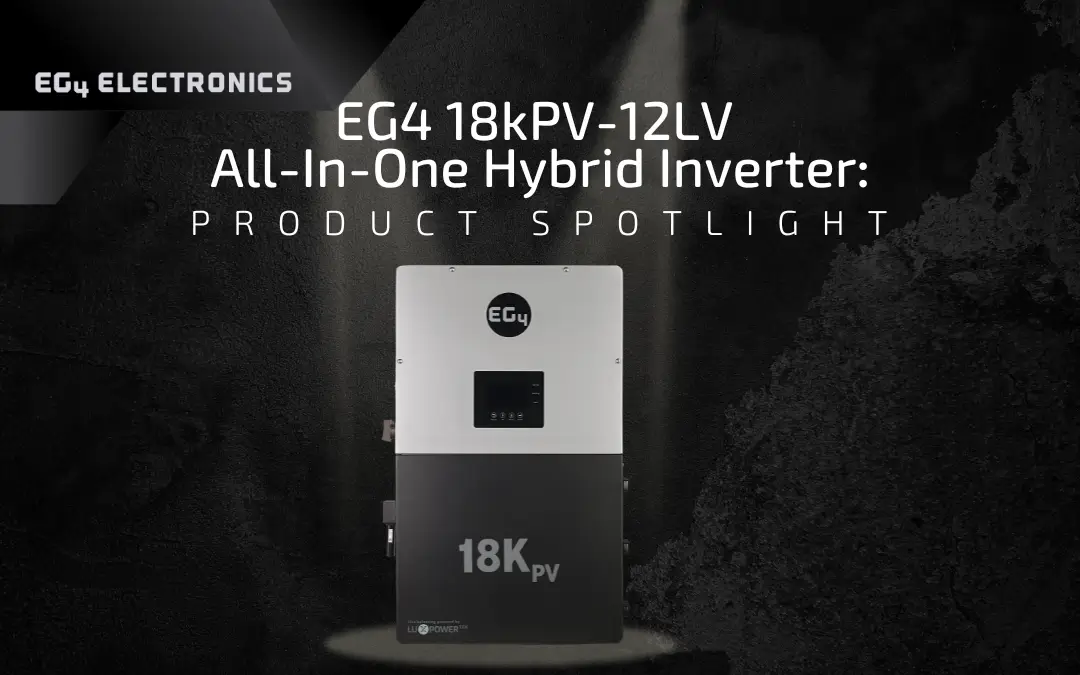
This is the system that’s quietly taken over the DIY off-grid community, and for good reason. Pairing EG4’s 18kW hybrid inverter with their rack-mount LifePower4 lithium battery packs off-grid gives you a scalable, high-capacity system at roughly 40% less per kWh than name-brand competitors.
Best for: Serious off-gridders and DIY builders who want maximum storage capacity per dollar and don’t mind getting their hands dirty.
Pros:
– LifePower4 server-rack batteries (5.12 kWh each) stack easily to 30+ kWh with no additional hardware
– 18kW continuous output handles well pumps, air conditioning, and power tools simultaneously
– Active community support — EG4’s forum and YouTube ecosystem make troubleshooting accessible
Cons:
– Not UL 9540 listed yet, which means some jurisdictions and insurance companies won’t approve indoor installation
– Inverter firmware updates have historically been buggy in early releases (though EG4 has improved turnaround)
Enphase IQ Battery 5P
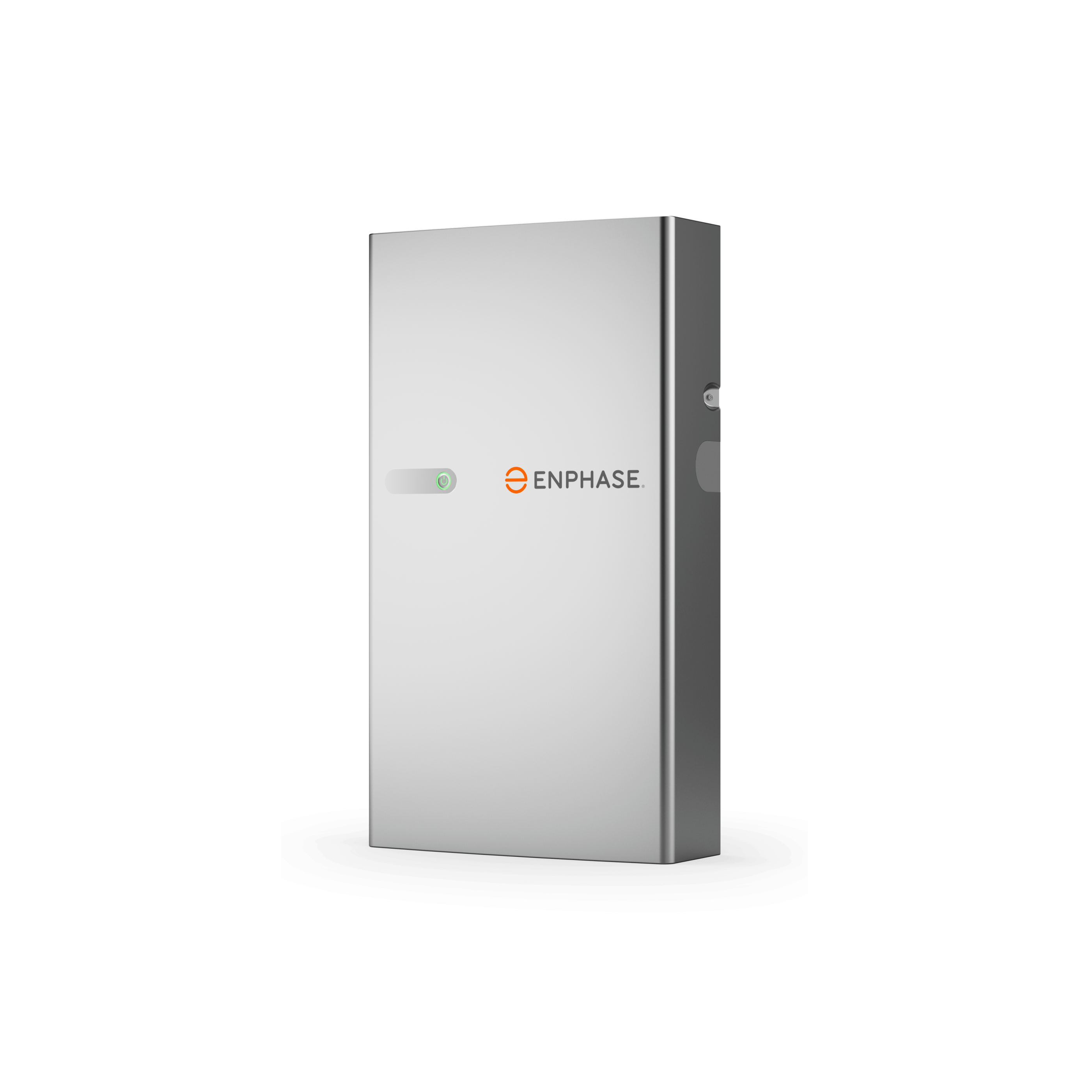
Enphase built its reputation on microinverter reliability, and the IQ Battery 5P extends that philosophy to storage. Each 5 kWh module contains its own microinverters, meaning a single cell failure doesn’t take down your whole battery bank — a meaningful safety and uptime advantage for energy storage for self-sufficient homes.
Best for: Homeowners already on the Enphase microinverter ecosystem, or anyone who prioritizes system resilience over raw cost-per-kWh.
Pros:
– Truly modular — start with 5 kWh and expand to 80 kWh without replacing any existing hardware
– Microinverter architecture means no single point of failure in the storage system
– Enphase’s monitoring platform is best-in-class for tracking consumption, production, and battery state
Cons:
– At roughly $1,200 per usable kWh (installed), it’s one of the most expensive residential options
– 3.84 kW continuous per unit means you’ll need multiple modules to run heavy loads
SOK 206Ah 12V LiFePO4 Battery

SOK has become the go-to recommendation in off-grid forums for builders who want quality LiFePO4 cells without the brand-name markup. The 206Ah 12V unit delivers 2.63 kWh of usable capacity with a built-in 200A BMS, and four of them wired in series give you a 48V bank that rivals systems costing twice as much.
Best for: DIY builders assembling custom lithium battery packs off-grid who want proven cells at an honest price.
Pros:
– Exceptional value — roughly $400–$450 per kWh at retail, often less during sales
– Built-in Bluetooth BMS lets you monitor cell voltages, temperature, and state of charge from your phone
– 4,000+ cycle rating at 100% depth of discharge with a 7-year warranty
Cons:
– Requires a separate inverter/charger — this is a battery, not a turnkey system
– 12V nominal means you need four units for a 48V system, which takes up more physical space than rack-mount alternatives
Bluetti EP900 + B500 Expansion Batteries
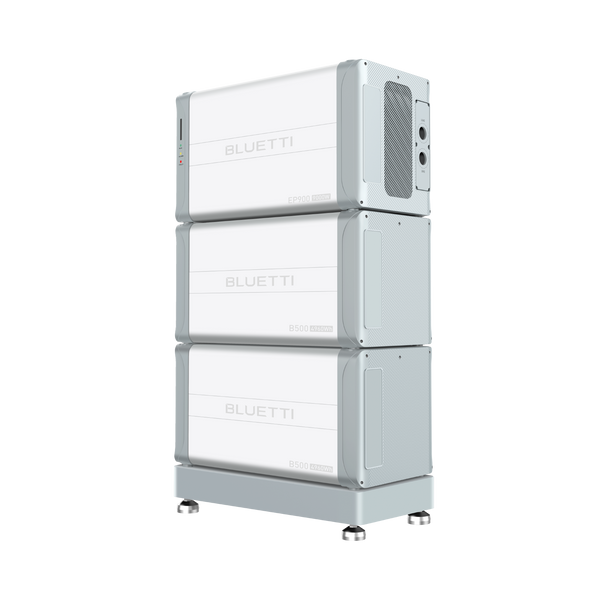
The EP900 is Bluetti’s play for the whole-home market, and it’s a compelling one. The base unit is a 9 kW split-phase hybrid inverter that pairs with B500 expansion batteries (4.96 kWh each, up to 4 units for 19.8 kWh). What sets it apart is simple installation — Bluetti designed it so a licensed electrician can set it up in half a day without specialized training.
Best for: Homeowners who want plug-and-play solar battery backup systems without the Tesla ecosystem lock-in or a $15K+ install quote.
Pros:
– 9,000W output handles most whole-home backup scenarios including HVAC
– 240V split-phase output is native — no autotransformer needed, unlike many competitors
– Pairs directly with Bluetti’s portable power stations for flexible overflow capacity
Cons:
– 19.8 kWh maximum capacity may not be enough for larger off-grid homes
– Relatively new product — long-term reliability data is still accumulating
SimpliPhi AccESS

SimpliPhi has been quietly supplying batteries to the US military and humanitarian organizations for years, and the AccESS is their residential product. It uses LFP (lithium ferro phosphate) chemistry with no cobalt, no active cooling requirement, and an operating temperature range of -4°F to 140°F — the widest of any system on this list.
Best for: Harsh-climate installations, unheated outbuildings, or anyone who needs energy storage for self-sufficient homes that won’t shut down when temperatures drop.
Pros:
– -4°F to 140°F operating range with no thermal derating — performs in conditions that would shut down a Powerwall
– Zero thermal runaway risk due to LFP chemistry and non-flammable architecture
– UL 9540A listed — approved for indoor installation in all US jurisdictions
Cons:
– Premium pricing — expect $1,100–$1,400 per usable kWh installed
– Smaller dealer/installer network compared to Tesla or Enphase, which can mean longer lead times
How We Chose
We evaluated over 20 residential battery systems across six criteria: usable capacity per dollar, round-trip efficiency, inverter compatibility, warranty terms (both years and cycle count), real-world installer and owner feedback, and safety certifications. We gave extra weight to verified buyer reports on forums like DIY Solar Power Forum, Reddit’s r/solar and r/offgrid, and installer communities — that’s where you find out what actually fails after year two. We deliberately excluded any system without at least 12 months of real-world deployment data, because spec sheets lie and first-generation firmware is always rough.
Buying Guide: What Actually Matters
Usable Capacity vs. Total Capacity
Manufacturers love quoting total capacity, but what matters is usable capacity — the amount of energy you can actually draw before the battery management system cuts you off. A 13.5 kWh battery with 100% depth of discharge gives you 13.5 kWh. A 14 kWh battery limited to 80% DoD gives you 11.2 kWh. Always compare usable numbers. Every system on our list uses LiFePO4 or NMC chemistry rated for at least 90% usable DoD.
Continuous Power Output (kW) vs. Capacity (kWh)
Capacity tells you how long your battery lasts. Power output tells you what it can run. A 20 kWh battery with only 5 kW continuous output will keep your lights and fridge going for a long time, but it won’t start your well pump and air conditioner simultaneously. If you’re building a system to run as true solar battery backup systems for an entire home, you need at least 7.6 kW continuous — ideally 9–10 kW or more. Match your output needs to your actual loads, not just your storage needs.
Chemistry: LFP vs. NMC
Lithium ferro phosphate (LFP/LiFePO4) batteries are heavier and have slightly lower energy density, but they last longer (4,000–10,000 cycles vs. 2,000–4,000 for NMC), tolerate wider temperature ranges, and carry effectively zero thermal runaway risk. For off-grid and self-sufficient homes, LFP is almost always the right call. NMC makes sense in space-constrained grid-tied installations where you need maximum kWh in the smallest footprint.
Warranty: Read the Fine Print

A “10-year warranty” means nothing without knowing the cycle count and end-of-warranty capacity guarantee. The best warranties guarantee 70–80% of original capacity after a specific number of cycles or years, whichever comes first. EG4 offers 4,000 cycles at 80% retention. Tesla guarantees 70% capacity at 10 years with unlimited cycles. SOK offers 4,000 cycles. Always ask: “What capacity will this battery hold when the warranty expires?”
FAQ
How many batteries do I need to go fully off-grid?
Most off-grid homes need between 20–40 kWh of usable battery storage, depending on daily consumption and local sun hours. A typical energy-efficient off-grid home uses 15–25 kWh per day — you want at least 1.5 days of autonomy to cover cloudy stretches, which means 30–40 kWh for comfortable margins.
What’s the difference between lithium battery packs off-grid and grid-tied batteries?
Off-grid lithium battery packs off-grid are designed for daily deep cycling — charged from solar every day and discharged overnight, 365 days a year. Grid-tied batteries often sit at partial charge waiting for an outage and may not be optimized for the same cycle count. Off-grid systems also typically need higher continuous power output since there’s no grid to supplement peak loads.
How long do solar battery storage systems actually last?
LiFePO4 systems last 10–15 years with proper management, typically delivering 4,000–10,000 cycles before dropping below 80% capacity. NMC systems typically last 8–12 years or 2,000–4,000 cycles. Real-world longevity depends heavily on temperature management, depth of discharge, and charge rate — batteries kept in temperature-controlled spaces consistently outlast those in unheated garages.
Can I install a home battery system myself?
Technically, yes — systems like the SOK batteries with a separate inverter/charger are explicitly designed for DIY installation. However, any system that ties into your home’s main electrical panel requires a permit and (in most jurisdictions) a licensed electrician for the final connection and inspection. The EG4 and SOK builds are the most DIY-friendly on our list.
Are solar battery backup systems worth the cost in 2026?
If you live in an area with time-of-use electricity rates, frequent outages, or net metering caps, battery storage typically pays for itself in 5–8 years through energy arbitrage and avoided outage costs. For off-grid homes, batteries aren’t optional — they’re the foundation of your power system. Current LFP prices have dropped roughly 40% since 2023, making energy storage for self-sufficient homes more viable than ever.
The Verdict
For most solar homeowners, the Tesla Powerwall 3 remains our top recommendation — its integrated inverter, industry-leading efficiency, and polished software make it the easiest path to reliable battery backup. If you’re building a dedicated off-grid system and want the best value per kWh, the EG4 LifePower4 + 18kPV combo delivers more storage for less money than anything else on the market. Either way, 2026 is the best year yet to add battery storage — prices are down, technology is mature, and the grid isn’t getting more reliable anytime soon.