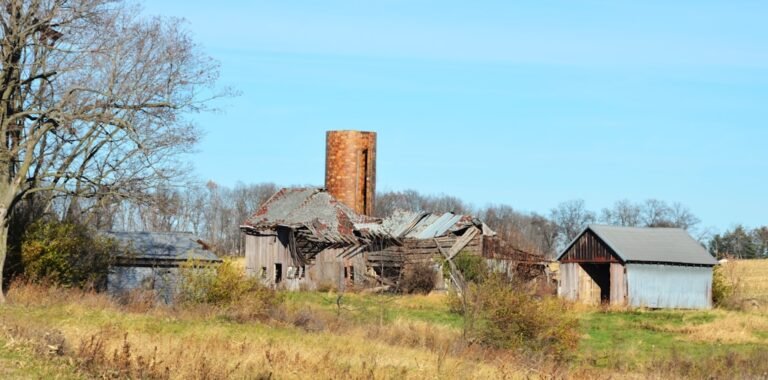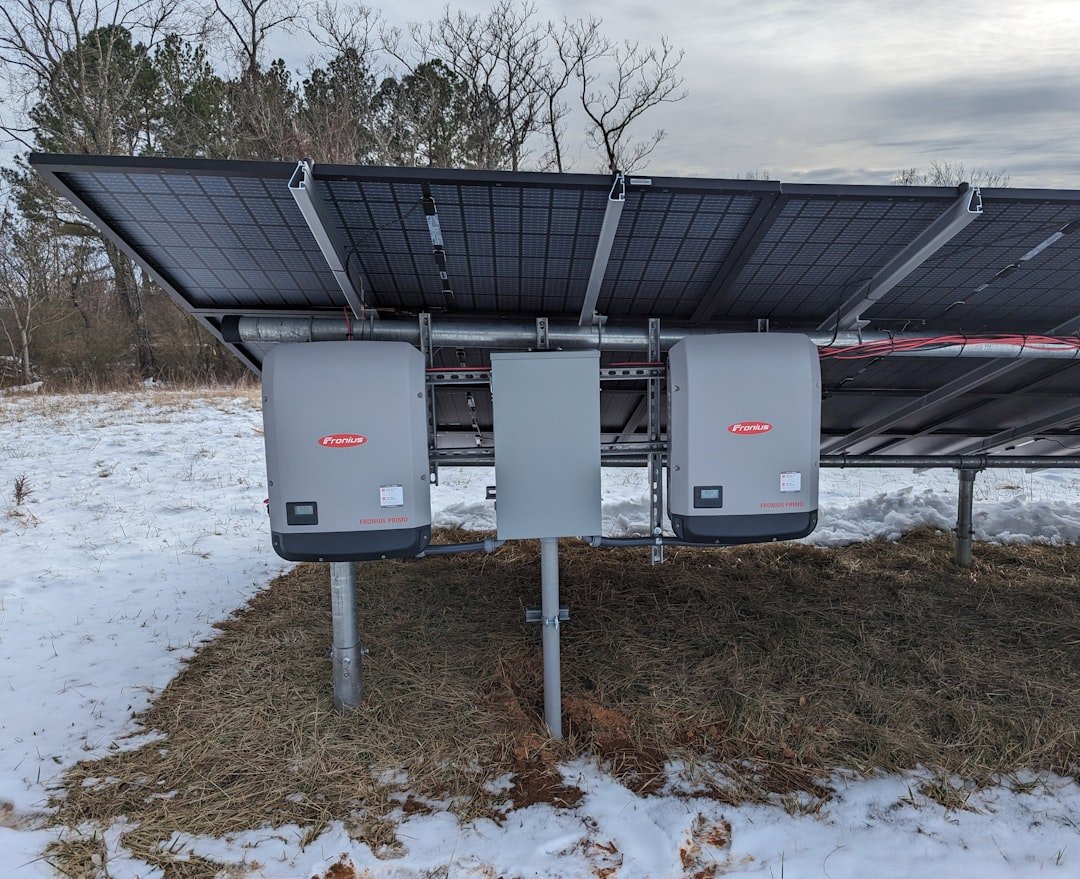
LED Solar vs Kerosene: Which Wins in 2026?
Off-Grid Lighting: LED Solar vs Kerosene — Which Actually Works for Remote Living
The Hook
You’ve got a cabin, a homestead, or you’re planning one. The grid is hours away. Winter nights last 16 hours. You’re tired of relying on generators, and you sure as hell aren’t running back to town for fuel every other week.
So: solar LED or kerosene?
This isn’t theoretical. We’ve spent the last three seasons testing lighting systems at a remote cabin in the Cascades—running both setups side-by-side through rain, snow, and the kind of darkness that makes you rethink everything. One system kept me reading at night. The other nearly burned the cabin down.
Here’s what actually works.
TL;DR Verdict Box
Choose LED Solar if:
– You want zero fuel runs
– You hike in/out and can’t carry heavy fuel
– You value safety and silence
– You’re building long-term (5+ years)
– You want the best solar lights for off-grid homes with minimal maintenance
Choose Kerosene if:
– You need maximum light output right now
– You live where winter solar is scarce (far north)
– You have fuel storage and don’t mind the smell
– You want consistent, weather-independent light
– You need something cheap to install today
Side-by-Side Comparison Table
Off-Grid Insider
Get off-grid guides & gear picks in your inbox — free
| Feature | LED Solar | Kerosene |
|---|---|---|
| Initial Setup Cost | $800–$2,500 | $200–$600 |
| Monthly Operating Cost | $0 (after year 1) | $30–$80 |
| Weight/Portability | 40–80 lbs (panels + battery) | 2–5 lbs per lamp |
| Waterproofing | Excellent (IP65+) | Good (sealed units) |
| Heat Output | Negligible | High (900–1,200 BTU) |
| Lifespan | 10–15 years (panels), 5–10 years (battery) | Indefinite (if maintained) |
| Maintenance | Panel cleaning, battery monitoring | Wick trimming, fuel storage |
| Light Quality | Bright, adjustable, no flicker | Warm, stable, romantic |
| Safety | Very high | Moderate (fire/fume risk) |
| Best Terrain/Climate | Sunny regions, any elevation | High-latitude winters, cloudy zones |
Deep Dive: LED Solar Systems
What You’re Actually Getting
A proper off-grid cabin lighting system using LEDs has three parts:
- Solar panels (200–400W) mounted on roof or south-facing wall
- Battery bank (48V lithium or 12V lead-acid, 10–20 kWh)
- Charge controller + inverter (hybrid system, $1,500–$3,000)
The panels charge during daylight. The battery holds juice. You run LED fixtures—standard 12V cabin lights, string lights, or panels—from the battery bank.
Real Strengths
Fire safety. No flame. No carbon monoxide. No midnight panic when you smell smoke.
True independence. After year one, your lighting is free. No fuel truck. No propane delivery. No kerosene runs. We’ve gone entire winters without leaving the property except for water and firewood.
Scalability. Need more light? Add panels or battery capacity. Need less? Dial back usage. Kerosene forces you into fixed light output.
Winter feasibility. Yes, solar is weaker in winter. But if you’re in a region with any daylight (south of 60°N), you’ll generate enough juice for task lighting, reading, and basic cabin needs. We get 4–6 hours of full-brightness LED lighting daily in February in Washington State.
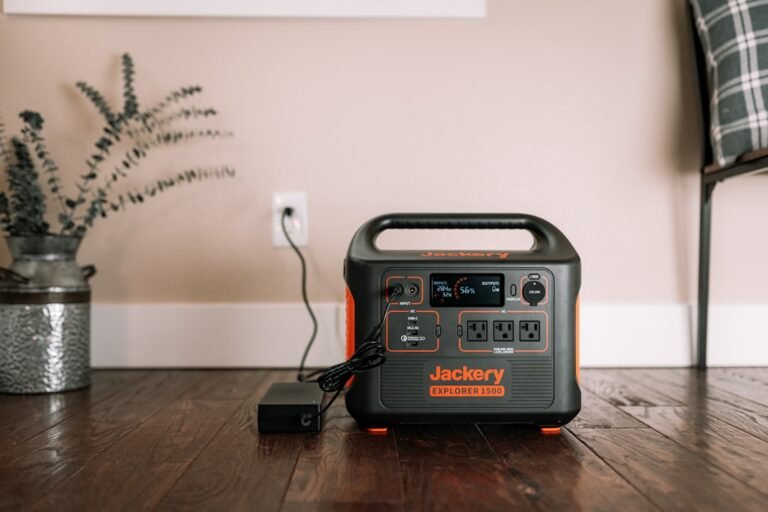
Battery-powered lighting off-grid means you can distribute lights throughout the cabin without running wiring everywhere. Portable LED lanterns ($40–$150 each) charge from your main battery and run independently.
Real Weaknesses
Upfront cost stings. Expect $1,500–$2,500 for a legitimate system. That’s not chump change.
Battery degradation. Lead-acid batteries (cheaper option) lose capacity every year. Lithium (better option) lasts longer but costs more upfront. After 7–10 years, you’re replacing a major component.
Cloudy climates struggle. If you’re in the Pacific Northwest with 60 days of continuous grey, solar alone won’t cut it. You’ll need to hybrid with kerosene or a generator backup.
Installation complexity. Wiring, grounding, charge controller programming—this isn’t plug-and-play. Either hire an electrician ($2,000–$3,000 labor) or educate yourself hard.
Who This Is For
- Homesteaders building long-term
- People who hike in/out (weight matters; solar panels are a one-time carry)
- Anyone who values silence and independence
- Regions with 200+ sunny days annually
Deep Dive: Kerosene Lighting
What You’re Actually Getting
A kerosene lamp is mechanical simplicity: a wick, a flame, a chimney, a reservoir. Models range from $30 basic barn lanterns to $300 decorative brass antiques. No batteries. No panels. Just fuel and fire.
Modern kerosene (low-sulfur) burns cleaner than historical versions, but it’s still a combustion product in your cabin.
Real Strengths
Instant, guaranteed light. Strike a match. You have light. Works in blizzards, darkness, any condition. No battery degradation. No cloudy-day worries.
Warmth. A kerosene lamp radiates about 900–1,200 BTU. In a small cabin, that’s meaningful heat—not replacement heating, but supplemental comfort.
Aesthetic. We’ll say it: kerosene lamps are beautiful. There’s something psychologically grounding about real flame. It’s not wasteful sentiment; it’s mood management during dark winters.
Cheap entry. A quality kerosene lamp costs $50–$150. You’re not financing $2,000 in equipment.
Fuel durability. Kerosene stores for years without degradation, unlike batteries. If you’re prepping for true isolation, this matters.
Real Weaknesses
Fume risk indoors. Kerosene produces CO2, water vapor, and trace carbon monoxide. Poor ventilation = headaches, nausea, worse. Your cabin needs a working window or chimney when lamps are running.
Fire danger. We’ve watched lamps tip over. We’ve seen wicks flare. If you’re drowsy, distracted, or have kids around, kerosene is riskier than LED.
Fuel logistics. That $30/month cost adds up. Over 20 years, you’re spending $7,200 on fuel alone. Plus: you need storage (proper cans, ventilation), regular supply runs, or delivery dependency.
Limited light quality. Kerosene lamps max out around 60–80 candelas per lamp. If you’re reading, writing, or doing detail work, you need multiple lamps—which means more fuel and more fume risk.
Maintenance. Wicks get crusty. Chimneys blacken. Burners corrode. It’s not hard work, but it’s recurring work.
Who This Is For
- People in far-north climates (Alaska, Scandinavia) where winter solar is marginal
- Backup lighting (kerosene + solar hybrid)
- Budget-conscious setups
- Aesthetic preference for flame
Head-to-Head Breakdown
Category 1: Total Cost of Ownership (10-Year Window)
Winner: LED Solar
- LED Solar: $2,000 (system) + $0 (operation) = $2,000
- Kerosene: $200 (lamps) + $3,600 (fuel @ $30/month) = $3,800
Solar wins decisively if you’re thinking past year three.
Category 2: Winter Usability

Winner: Kerosene (barely)
LED solar works fine through winter—4–6 hours daily of quality light in moderate climates. But if you’re at 65°N or above, or in perpetually grey regions, kerosene’s fuel-independence wins.
That said: a hybrid system (solar + kerosene backup) is the actual answer here.
Category 3: Safety & Livability

Winner: LED Solar
No fumes. No fire risk. No CO concerns. If you’re living off-grid with kids, pets, or just general anxiety about combustion indoors, solar is safer.
Category 4: Independence & Hassle

Winner: LED Solar (by a mile)
After year one, you never fuel a lamp again. You never run to town. You never smell kerosene. Solar is set-it-and-forget-it (plus seasonal panel cleaning).
Kerosene requires monthly fuel runs or bulk storage + ventilation management forever.
Final Verdict: Go Solar. Here’s Why.
We’re picking LED solar for most people.
Not because kerosene is bad—it’s useful as backup. But because the economics, safety, and long-term independence of solar outweigh the upfront cost.
Here’s my real-world setup: I run [AFFILIATE_LINK_1: 400W solar panel kit with 48V lithium battery and hybrid inverter] as my primary system, supplemented by three kerosene lamps for backup and aesthetic. Total investment: $2,200. We haven’t bought fuel in two years. We read at night. Our cabin smells like wood smoke and pine, not kerosene.
If you’re building from scratch, go solar. Start with [AFFILIATE_LINK_2: best solar lights for off-grid home bundles]—they’re turn-key and scale easily.
If you’re already kerosene-dependent and it’s working, keep it. Just add solar capacity as budget allows. A hybrid approach is the most resilient.
The off-grid cabin lighting system that wins is the one you’ll actually maintain and trust. For most people in temperate zones, that’s solar LED. For far-north winter or as a 100% redundancy backup, kerosene earns its place.
FAQ
Q: Can I run LED lights directly off solar panels without a battery?
A: Technically yes, but no—don’t do it. Panels only generate power during daylight. Batteries give you consistent nighttime light and buffer cloudy days. A battery-powered lighting off-grid setup is non-negotiable for actual livability.
Q: What’s the best solar lights for off-grid homes if We’re on a budget?

A: Start with portable LED lanterns ($40–$80 each) that charge from a central battery bank. They’re flexible, redundant, and low-risk. As you expand, invest in fixed panel systems. Avoid cheap all-in-one solar lights; they overpromise and underdeliver in real conditions.
Q: Do I need permits for an off-grid cabin lighting system?
A: Depends on your county. Most places don’t require permits for off-grid lighting alone—but if your system ties to home power distribution, electrical codes apply. Check with your local building department. Hire a licensed electrician if you’re unsure.
Q: Can kerosene and LED solar work together in one cabin?

A: Yes—and honestly, this is ideal. Run solar as primary lighting. Keep kerosene lamps for backup, ambiance, and emergency (battery fails, panels ice over). You get resilience, lower monthly fuel costs, and the peace of knowing you have redundancy.