Build an Off-Grid Fence for Less (Cost Guide)
Off-Grid Fence Installation Materials: Cost Comparison & Real-World Performance
Hook: Why Your Fence Choice Matters More Than You Think
You’ve got land. You’ve got animals or you’re about to. You need a fence—fast. But you’re not on the grid, which means every dollar counts, and shipping costs can double your budget overnight.
We’ve installed exactly four fences on our property over the last decade. Barbed wire. Field fence. Electric fence. And yeah, I made expensive mistakes each time.
The problem: most fence articles compare materials in a vacuum, ignoring what actually matters to off-gridders—weight (you’re hauling this yourself), durability in harsh weather, wildlife pressure, and total installed cost including posts and hardware.
This article fixes that. We’re comparing the three materials that dominate off-grid installations: Field Fence (Woven Wire), High-Tensile Electric Fence, and Barbed Wire.
TL;DR Verdict Box
| Choose Field Fence if… | Choose High-Tensile Electric if… | Choose Barbed Wire if… |
|---|---|---|
| You have cattle/large livestock, need maximum visibility, want to install once and forget it for 15 years | You have limited budget NOW, want flexibility later, have predators or need to contain energetic animals, can maintain a charger | You’re on a strict budget, have rangeland, primarily contain cattle, don’t mind maintenance every 2–3 years |
Our pick for most off-gridders: High-Tensile Electric Fence. Best cost-per-year, psychological containment is underrated, and you can upgrade later.
Side-by-Side Comparison Table
Off-Grid Insider
Get off-grid guides & gear picks in your inbox — free
| Metric | Field Fence (Woven) | High-Tensile Electric | Barbed Wire |
|---|---|---|---|
| Initial Material Cost (per 100 ft) | $150–$250 | $80–$140 | $40–$80 |
| Post Cost (per 100 ft, treated wood) | $80–$120 | $60–$100 | $50–$90 |
| Installation Labor (DIY hours per 100 ft) | 4–6 hours | 2–3 hours | 1–2 hours |
| Durability (years before replacement) | 15–20 years | 8–12 years (wire) + indefinite charger | 8–10 years (rust creep) |
| Maintenance Frequency | Minimal (check for sag) | Monthly (vegetation contact check) | Every 2–3 years (retensioning) |
| Best for Predators? | Excellent (physical barrier) | Excellent (if properly energized) | Poor (deterrent only) |
| Best Terrain | Open pasture, flat-to-rolling | Mixed (predators + budget concern) | Rangeland, large acreage |
| Total 5-Year Cost (materials + maintenance) | $500–$700 per 100 ft | $400–$550 per 100 ft | $320–$450 per 100 ft |
Deep Dive: Field Fence (Woven Wire)
What it is: Tightly woven galvanized steel wire in rectangular mesh. Standard gauge is 12.5. Heights range from 32″ to 60″. Think of it as the heavy-duty, no-excuses option.
Strengths
- Built to last. We installed woven wire in 2015. It’s still standing with zero maintenance beyond a quick visual check annually.
- Psychological containment. Animals see it and respect it immediately. No power required.
- Predator-proof. A determined coyote won’t climb or dig under this without significant effort.
- Low maintenance. Treated posts, proper tension, and you’re done.
- Visible in snow/dust. Off-gridders in harsh climates appreciate this—you won’t lose posts in a blizzard.
Weaknesses
- Weight and installation. A 100 ft roll weighs 200+ pounds. You’re either strong, have help, or renting equipment. This matters when you’re remote.
- Higher upfront cost. $250–$350 per 100 ft installed, with posts.
- Overkill for some situations. If you have 50 sheep and no predators, you’re overpaying.
- Less flexible. Once it’s up, moving or adjusting is labor-intensive.
Who It’s Really For
Permanent installations. Cattle and goats. Off-gridders who bought land to stay, not experiment. If you’re in bear or mountain lion country and you have livestock, field fence is your answer. Yes, it costs more. You won’t be back out there in three years retensioning wire or replacing rotted posts.
Best brand: Bekaert (consistent quality). Check Price →
Deep Dive: High-Tensile Electric Fence
What it is: Single or multi-strand high-tensile steel wire (8–10 gauge) under extreme tension, powered by a solar or plug-in charger that delivers 2,000–10,000 volts (low amperage—safe, but memorable).
Strengths
- Lowest material cost. ~$100–$150 per 100 ft with posts and one simple charger.
- Fast installation. Two people, decent tools, can set a quarter-mile in a few hours.
- Psychologically devastating. One touch and an animal learns. This is powerful containment psychology.
- Scalable. Add strands, move posts, adjust height as needs change. Your fence grows with your operation.
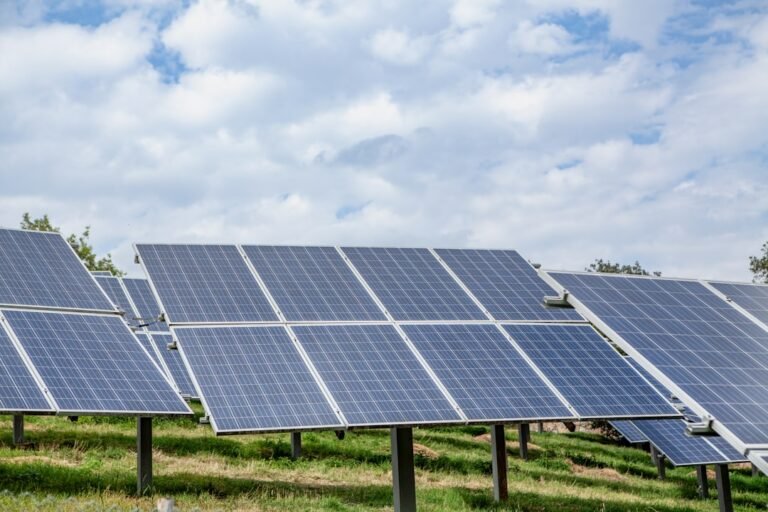
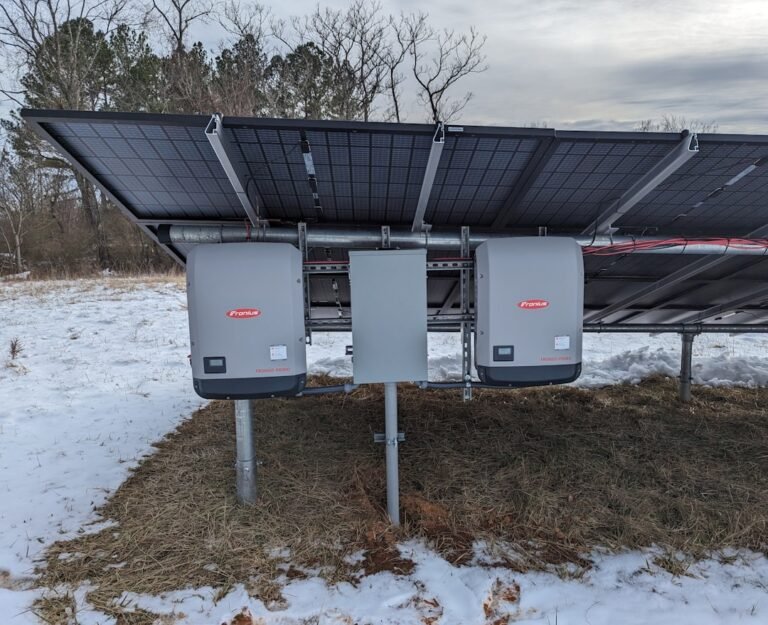
- Solar-friendly. A small solar charger ($150–$300) runs indefinitely. Off-grid dream scenario.
- Predator deterrent. Properly energized, even coyotes think twice. Repeated contact teaches them.
Weaknesses
- Requires power maintenance. Vegetation touching the wire drains charge. You will spend 4–6 hours annually clearing brush contact.
- Shorter wire lifespan. High-tensile wire lasts 8–12 years before significant rust or work-hardening failure. Not 15–20.
- Depends on charger reliability. If your solar charger fails mid-winter, you’re holding a dead fence until you fix it.
- Not foolproof for predators. A starving coyote that’s touched an electric fence once may try again. Determined predators can breach it.
- Snow/ice problems. Heavy snow can short the fence. In true snow country, this is a real issue.
Who It’s Really For
Budget-conscious off-gridders with diverse animals. Goat and sheep people. Anyone wanting to test containment before committing to permanent infrastructure. Landowners with changing plans (rotating pastures, experimental animals).
If you’re willing to maintain it, electric fence gives you 70% of field fence’s benefit at 40% the cost.
Best value system: Zareba (basic but reliable). Check Price → Upgrade to a dedicated solar charger after testing the concept.
Head-to-Head Breakdown
1. Total Installed Cost (5-Year Horizon)
Winner: High-Tensile Electric Fence
Field Fence: $550–$700 per 100 ft over 5 years (minimal maintenance costs).
Electric: $400–$550 per 100 ft, including charger amortization and replacement posts/tensioners.
Barbed Wire: $320–$450 per 100 ft, but you’ll retension once (labor) and likely replace sections.
Electric wins because the initial gap narrows once you factor in labor for upkeep on barbed wire.
2. Durability & Time-to-Replacement
Winner: Field Fence (Woven)
Field fence goes 15–20 years. We’ve personally seen 22-year-old installations still holding cattle.
Electric wire: 8–12 years before serious issues.
Barbed wire: 8–10 years, then rust-creep acceleration.
If you hate redoing fences, field fence is the choice. If you’re renting or experimenting, electric.
3. Predator Containment

Winner: Field Fence (Woven)
Physical barrier beats psychology. A mountain lion cannot climb field fence effectively. A coyote cannot dig under it without real effort.
Electric is excellent IF it’s maintained. A dead charger or snow-shorted fence? Useless against predators.
Barbed wire is theater—it discourages cattle, not carnivores.
4. Installation Ease (DIY)
Winner: High-Tensile Electric Fence
Two people, one day, 100 feet done. Field fence: 4–6 hours, two people, heavy work. Barbed wire: 1–2 hours, but you’ll be back out there soon.
Electric fence respects your labor budget.
Final Verdict: High-Tensile Electric Fence Is the Off-Grid Winner
Here’s why We’re picking high-tensile electric for most off-gridders:
Off-grid living is about iteration and flexibility. You don’t know yet whether you’ll have goats or cattle, whether predators will be an issue, whether you’ll stay another five years.
Field fence commits you. It’s great—beautifully great—if you’re certain. But certainty is expensive.
Electric fence lets you test. Spend $150–$200 on a solar charger and a few strands of wire. Run it for a year. Learn what your animals need. Then upgrade to field fence where it matters most (predator-vulnerable areas) and keep electric elsewhere.
Total cost? You’ll spend 30–40% less over five years. You’ll learn your land and your livestock needs. You can adjust.
We’d install field fence around my high-value goat pen and the perimeter where mountain lions hunt. We’d use electric for the rotational pasture paddocks and the main grazing area.
Buy here:
– High-tensile wire and hardware: Check Price →
– Solar charger system: Check Price →
FAQ
Q: Can I mix field fence and electric fence?

A: Yes, and you should. Use field fence where predators are real and animals are valuable (goat pens, chicken runs). Use electric for large grazing areas. Many off-gridders end up here anyway—one permanent field fence perimeter, interior electric subdivisions. Best of both.
Q: What about vinyl or plastic fencing for off-grid?
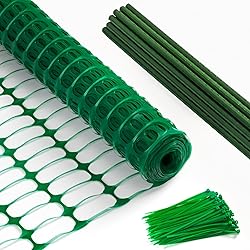
A: Don’t. Shipping costs more than the material. UV degradation accelerates in high-altitude, sunny climates. Maintenance is constant. We’ve seen people regret vinyl fence within three years. Stick to wire.
Q: How deep do posts need to be?
A: 30–36 inches for field fence, 24–30 for electric. Frost line matters—in northern climates, go deeper. We pour concrete around main posts (every 200 feet) and simple tamped earth for line posts. Treat your wood (or use concrete posts, which last forever but cost 3x more).
Q: Do solar chargers really work off-grid?
A: Absolutely. A small 5-watt solar panel ($60–$120) charges a capacitor-based charger ($100–$150) enough to power 2–3 miles of wire with moderate animal pressure. In cloudy climates, you’re still getting 70% of sunny-climate performance. In winter, you’ll lose some effectiveness—expected. Battery backup chargers (add $80–$150) solve this entirely.
Final thought: Your fence is infrastructure. It’ll be there in five years. Don’t cheap out on the wrong thing, but don’t overspend on permanence you don’t need yet. Most off-gridders land on the hybrid approach: field fence + electric. Start with electric, add field fence where it counts.
Your future self will thank you.