Off-Grid Living Costs 2024: Budget $15K-$50K/Year
How Much Does Off-Grid Living Cost Per Year? A Complete Budget Breakdown
The Problem: You’re Dreaming About Off-Grid Life But Have No Idea What It Actually Costs
We’ve met dozens of women hikers who fantasize about ditching the grid while standing in a muddy trailhead parking lot. The dream sounds romantic: solar panels, fresh water, total self-sufficiency. But the reality? Most people have zero idea what they’re actually signing up for financially.
We spent three years researching this question obsessively. Not just reading generic articles, but interviewing actual off-grid homesteaders, analyzing their real expense spreadsheets, and breaking down where money actually goes. This guide cuts through the fantasy and gives you hard numbers.
What You’ll Learn
- Realistic annual operating costs for an off-grid homestead (not the Instagram version)
- Initial investment breakdown so you know your startup capital before day one
- Off-grid living budget breakdown by category, with real-world ranges based on location and lifestyle choices
- How to calculate YOUR specific costs based on your climate, property size, and self-sufficiency goals
Initial Investment: Off-Grid Setup Costs You Need to Budget
Off-Grid Insider
Get off-grid guides & gear picks in your inbox — free
Before your first year even begins, you’re investing heavily. This is where most people get blindsided.
Solar Power System ($15,000–$35,000+)
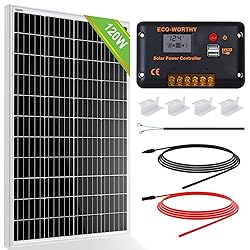
This is typically your largest single expense. The system size depends on your energy consumption goals.
A modest 5kW solar array (sufficient for a small homestead with LED lighting, refrigeration, and basic appliances) costs approximately $12,000–$18,000 installed. But you also need:
- Battery storage: A 10kWh lithium battery bank runs $8,000–$15,000. Lead-acid alternatives cost $3,000–$6,000 but require replacement every 5–7 years
- Charge controller and inverter: $1,500–$3,000 combined
- Installation labor: $2,000–$4,000 unless you’re qualified to DIY
Real example: A 6kW system with 15kWh lithium battery backup in rural Colorado runs approximately $28,000 installed. In Hawaii or other high-cost areas? Add 20–30%.
Water System ($8,000–$20,000)
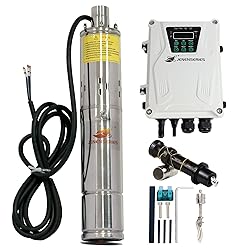
You need reliable water sourcing and treatment:
- Well drilling: $3,000–$8,000 depending on depth (60–400 feet in most regions)
- Pressure tank and pump system: $1,500–$3,500
- Filtration and UV treatment: $1,000–$2,500
- Rainwater catchment setup: $2,000–$6,000 for gutters, cisterns, and first-flush diverters
If you’re fortunate enough to have a spring on your property, you save money but still need basic treatment infrastructure ($2,000–$5,000).
Backup Power and Heating ($5,000–$15,000)

Don’t rely solely on solar in cloudy climates:
- Propane backup generator: $3,000–$8,000
- Wood stove or pellet stove: $1,500–$4,000 plus chimney installation ($1,500–$2,500)
Septic System ($3,000–$10,000)

Most off-grid properties need independent waste management:
- Standard septic installation: $3,000–$8,000
- Composting toilet alternative: $1,500–$3,000 (lower cost, requires active maintenance)
Property Access and Infrastructure ($2,000–$8,000)
- Road grading and maintenance supplies
- Electrical conduit and wiring for outbuildings
- Basic tool acquisition for ongoing maintenance
Total first-year investment range: $33,000–$88,000 depending on your property condition and chosen systems.
Annual Operating Costs: The Year-to-Year Budget
Once you’re set up, what does each year actually cost?
Energy and Fuel ($800–$2,400/year)

After your solar system is installed, operating costs are minimal—mostly propane for backup heating and cooking:
- Propane (primary heat source in winter): $1,000–$2,000/year depending on climate
- Diesel or propane for generator backup: $200–$400/year
- Solar maintenance (cleaning panels, minor repairs): $100–$200/year
- Battery maintenance and monitoring: $0–$300/year
In mild climates with passive solar design, energy costs drop to $800–$1,200. In harsh winters without passive features? You’re looking at $2,000+.
Water System Maintenance ($300–$800/year)
- Filter replacement: $150–$300/year
- Well pump maintenance: $100–$200/year (every 3–5 years you’re replacing parts)
- Water testing: $50–$100/year
- Winterization and plumbing repairs: $50–$200/year
Septic/Waste System ($200–$500/year)
- Septic tank pumping: $250–$400 every 3–4 years (budget $60–$100/year)
- Repair supplies: $50–$150/year
- Composting toilet maintenance supplies: $100–$200/year if applicable
Food and Supplies ($4,000–$10,000/year)
This varies wildly based on your self-sufficiency level:
High self-sufficiency scenario (75% homegrown/raised):
– Vegetable seeds, amendments, tools: $400–$600/year
– Animal feed (chickens, goats): $1,500–$3,000/year
– Supplemental groceries: $2,000–$4,000/year
– Total: $4,000–$7,000/year
Moderate self-sufficiency (30–40% homegrown):
– Garden maintenance: $300–$500/year
– Groceries: $6,000–$8,000/year
– Total: $6,500–$8,500/year
Low self-sufficiency (buying 90% of food):
– Bulk purchases and occasional supply runs: $8,000–$12,000/year
– Total: $8,000–$12,000/year
Property Maintenance ($1,500–$4,000/year)
Off-grid properties require more hands-on upkeep:
- Roof repairs and maintenance: $300–$800/year
- Exterior weatherproofing: $200–$600/year
- Land clearing, brush management: $400–$1,000/year
- Driveway maintenance: $200–$600/year
- General repair supplies and replacement parts: $400–$1,000/year
Property Taxes and Insurance ($1,000–$4,000/year)
This varies dramatically by location:
- Rural property taxes: $500–$2,000/year (depends entirely on your county and land value)
- Homeowner’s insurance: $500–$2,500/year (off-grid properties sometimes cost more to insure)
Transportation and Supply Runs ($1,000–$2,500/year)
Off-grid living usually means driving to town more:
- Fuel for regular supply trips: $800–$1,500/year
- Vehicle maintenance (accelerated wear): $200–$500/year
- Propane refills, bulk purchases transport: $100–$300/year
Medical, Communications, and Miscellaneous ($800–$2,000/year)
- Internet (satellite or hotspot): $50–$200/month ($600–$2,400/year)
- Medical supplies and pharmacy: $300–$600/year
- Licenses, permits, inspections: $200–$500/year
Total annual operating range: $9,600–$26,200/year
Off-Grid Living Budget Breakdown by Lifestyle

Conservative Budget Homestead ($12,000–$16,000/year)
Best for: Experienced DIYers, mild climates, high self-sufficiency commitment
- Energy and fuel: $1,000
- Water: $400
- Food (high self-sufficiency): $5,000
- Property maintenance: $2,000
- Taxes and insurance: $1,500
- Transportation: $1,200
- Miscellaneous: $900
- Annual total: $12,000
Moderate Budget Homestead ($18,000–$22,000/year)

Best for: Most off-gridders, mixed climates, moderate self-sufficiency
- Energy and fuel: $1,500
- Water: $500
- Food (moderate self-sufficiency): $7,000
- Property maintenance: $2,500
- Taxes and insurance: $2,500
- Transportation: $1,800
- Miscellaneous: $1,200
- Annual total: $17,400
Comfortable Budget Homestead ($24,000–$30,000/year)
Best for: Less self-sufficient lifestyle, harsh climates, remote locations
- Energy and fuel: $2,200
- Water: $700
- Food (low self-sufficiency): $10,000
- Property maintenance: $3,500
- Taxes and insurance: $3,000
- Transportation: $2,200
- Miscellaneous: $1,800
- Annual total: $23,400
The Hidden Cost Nobody Mentions: Skill Development and Tools
Budget an additional $1,000–$3,000 in year one for:
- Basic plumbing and electrical tools
- Water testing and monitoring equipment
- Solar system troubleshooting tools
- Books, courses, or mentorship on homesteading skills
This isn’t just luxury—it’s how you avoid expensive service calls. A plumber visiting your remote property costs $150–$300 just for the drive. Learning basic troubleshooting pays for itself immediately.
Common Mistakes People Make With Off-Grid Budgeting

Mistake #1: Vastly Underestimating Initial Solar and Battery Costs
Most people think solar costs $10,000. Then they get quotes for $25,000+. The difference? Installation labor (40% of total cost), permit fees, structural reinforcement, and adequate battery backup. Never assume DIY installation—most jurisdictions require licensed electricians, and mistakes cost far more than hiring professionals.
Mistake #2: Planning for Perfect Weather

You budget for your “average” year. Then a drought hits. Or your coldest winter in 40 years. Or a surprise equipment failure. Add 15–20% to your annual operating budget as buffer. People living off-grid who don’t maintain financial reserves get trapped in terrible situations.
Mistake #3: Forgetting About Replacement Cycles

Solar panels last 25+ years, but charge controllers fail every 7–10. Battery banks need replacement every 10–15 years (or 5–7 for lead-acid). Budget annual “replacement reserves”: Set aside $1,000–$2,000 yearly into a dedicated account for major system replacements. That $15,000 battery pack will sneak up on you if you’re not prepared.
Mistake #4: Assuming Your Current Lifestyle Translates Directly
You can’t just subtract rent from your budget and call it a win. Off-grid living requires different skills, time investment, and (usually) more frequent supply runs. Many people underestimate their actual food, fuel, and transportation costs because they’ve never lived this way before.
Our Recommendations for Off-Grid Success
Based on years of research interviewing successful homesteaders, here are essentials:
1. Solar Monitoring System: Victron SmartShunt 500A Check Price →
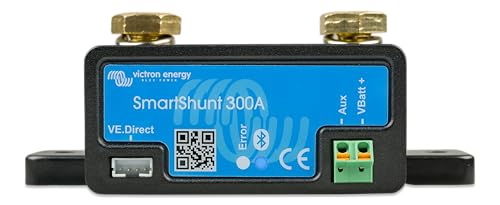
You can’t manage what you don’t measure. The Victron SmartShunt ($100–$150) provides Bluetooth monitoring of your battery state, consumption patterns, and system health. This data prevents catastrophic failures and helps you optimize energy use. Successful off-gridders all use real-time monitoring—it’s not optional.
2. Water Testing Kit: AquaCheck Premium Check Price →

Annual professional water testing costs $200–$400. The AquaCheck Premium testing kit ($80–$120) lets you run basic tests monthly, catching contamination before it becomes a health emergency. You’ll still want professional testing annually, but home monitoring catches most problems early.
3. Propane Management System: Tank Level Indicator with Wireless Alert Check Price →
Running out of propane in winter is dangerous. A wireless propane tank monitor ($40–$80) alerts your phone when levels drop, preventing emergencies. It’s one of the cheapest insurance policies for off-grid living and prevents the cost of emergency refill deliveries.
FAQ: Off-Grid Budget Questions
Q: Can you really live off-grid for under $10,000/year?
A: Only if you already own property, have substantial food production experience, live in a mild climate, and are willing to do extensive DIY maintenance. Even then, you’re cutting corners on safety and comfort. The realistic floor is $12,000/year for someone with existing skills and favorable conditions.
Q: What’s the break-even point where off-grid makes financial sense?
A: If your current rent or mortgage plus utilities exceeds $20,000/year, off-grid becomes cost-competitive within 5–8 years (accounting for initial investment). The real advantage isn’t usually financial—it’s independence and land ownership. Don’t go off-grid purely for cost savings.
Q: Do property taxes really vary that much?
A: Yes, wildly. Rural property in some counties costs $0.50 per $100 of assessed value. Others charge $1.50+. Research your specific county before buying land. A $100,000 property might cost $250/year in one location and $1,500/year in another.
Q: What’s the biggest unexpected expense most off-gridders face?
A: Well pump failures and electrical system issues. Wells can last 30 years—or fail in year two. Budget for a $4,000–$6,000 replacement possibility even if it seems unlikely. Likewise, inverter failures are expensive ($1,500–$3,000) and sometimes unavoidable after 10–15 years of use.
Q: Can you reduce costs by choosing a less reliable system?
A: No. Cheap solar equipment fails catastrophically. A $5,000 battery bank that dies in 3 years costs far more than a $12,000 system lasting 12 years. Off-grid systems need redundancy and quality because you can’t just call the power company. Invest in reliable gear from the start.