7 Best Off-Grid Vegetables for 2026
Growing food off-grid means every square foot of garden space has to earn its keep. You can’t afford to waste a season on vegetables that need constant babying, guzzle water, or produce a handful of meals before they’re done. The best off-grid vegetables are the ones that produce heavily, store without electricity, and keep growing even when you can’t hover over them every day.
Our top pick: Potatoes — unmatched calorie density and storage life. Best for nutrition: Kale — produces for months with almost zero input. Best protein source: Dry beans — store indefinitely, fix nitrogen in your soil. Best all-rounder: Winter squash — massive harvests that last all winter without refrigeration.
Our Picks
Potatoes (Seed Potatoes, Organic Mix)
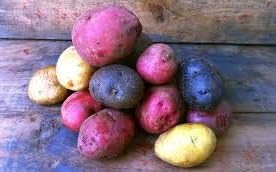
Potatoes are the ultimate off-grid calorie crop — pound for pound, nothing else you can grow comes close to the energy output per square foot. They store for months in a root cellar without any electricity, and a single plant can yield 5–10 pounds.
Best for: Anyone prioritizing food security and calorie independence.
Pros:
– Highest calorie yield per square foot of nearly any home garden crop — roughly 1,500–2,000 calories per 10-foot row
– Store 4–6 months in a cool, dark root cellar (45–50°F) with no processing required
– Grow well in poor soil, containers, straw bales, or raised beds — extremely adaptable
Cons:
– Susceptible to late blight in humid climates; you need to rotate planting locations yearly
– Require hilling or deep mulching throughout the season, which adds labor
Kale Seeds (Dwarf Blue Curled / Lacinato Variety)
Off-Grid Insider
Get off-grid guides & gear picks in your inbox — free

Kale is the hardest-working green you can grow off-grid. It survives frost down to the low 20s°F, actually tastes better after a freeze, and produces leaves continuously for 6–9 months using a cut-and-come-again harvest method.
Best for: Off-gridders in northern or variable climates who need greens year-round.
Pros:
– Extremely cold-hardy — keeps producing well into winter under row cover or in an unheated hoop house
– Nutrient-dense: loaded with vitamins A, C, K, calcium, and iron — critical when fresh produce options are limited
– Can be dehydrated into chips or powder for long-term storage without any special equipment
Cons:
– Aphids and cabbage worms can be aggressive in warm weather; companion planting with nasturtiums helps
– Gets tough and bitter in sustained heat above 80°F — not ideal as a primary summer green
Dry Bean Seeds (Pinto, Black, and Navy Mix)

Dry beans are the off-grid protein crop. A 100-foot row can produce 25+ pounds of shelf-stable protein that lasts years in a mason jar. As a bonus, they fix atmospheric nitrogen into your soil, reducing or eliminating the need for fertilizer on future crops.
Best for: Anyone building a self-sufficient food system who needs storable plant protein.
Pros:
– Store virtually indefinitely when kept dry — we’ve seen community reports of 10+ year-old beans still cooking up fine
– Fix nitrogen in soil, improving fertility for whatever you plant next in that bed
– Simple to harvest: let pods dry on the vine, thresh, and jar — no canning, no freezer, no dehydrator needed
Cons:
– Relatively long growing season (80–110 days to dry maturity); tight in short-summer zones
– Yields per square foot are modest compared to calorie crops like potatoes or squash
Winter Squash Seeds (Butternut and Hubbard)
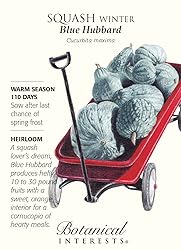
Winter squash is the off-grid storage champion. A single butternut or Hubbard plant can produce 20–40 pounds of dense, calorie-rich food that sits on a shelf for 3–6 months at room temperature. No canning, no drying, no freezer — just cure them in the sun for a week and stack them.
Best for: Off-grid households that need bulk winter calories without relying on root cellars.
Pros:
– Stores 3–6 months at room temperature (50–60°F) with zero processing — just harvest and cure
– Massive yields: a well-fed butternut vine produces 10–20 squash; Hubbard types can hit 30+ pounds per fruit
– Nutrient-dense — high in vitamin A, potassium, and complex carbohydrates
Cons:
– Vines are space-hungry, sprawling 10–15 feet; you need room or a sturdy vertical trellis
– Squash vine borers can wipe out a plant overnight in affected regions — row cover at planting is the best defense
Zucchini and Summer Squash Seeds (Black Beauty / Yellow Crookneck)
If you need fast, heavy production during the growing season, nothing beats zucchini. Two or three plants will bury a family in food from midsummer through first frost. The running joke in homesteading circles exists for a reason — these things are absurdly prolific.
Best for: Feeding a family fresh vegetables daily during the growing season with minimal plants.
Pros:
– Produces fruit within 45–55 days from seed — one of the fastest garden-to-table crops
– Just 2–3 plants can yield 30–60 pounds over a season, more than enough for a household
– Versatile in the kitchen: grill, fry, bake, spiralize, or shred into bread and fritters
Cons:
– Does not store long-term without canning, freezing, or dehydrating — it’s a fresh-eating crop
– Powdery mildew is almost inevitable late in the season; planting in full sun with good airflow helps delay it
Swiss Chard Seeds (Rainbow Mix)
Swiss chard is the greens insurance policy. It tolerates heat that destroys lettuce and cold that kills basil, producing continuously for the entire growing season from a single planting. Where kale struggles in summer, chard fills the gap without skipping a beat.
Best for: Off-gridders in hot climates or anyone who wants a single planting of greens that lasts all season.
Pros:
– Thrives in both heat and light frost — productive from late spring through late fall in most zones
– Cut-and-come-again harvesting means one planting yields greens for 4–6 months straight
– Extremely low-maintenance: rarely bothered by pests, doesn’t bolt quickly, handles inconsistent watering
Cons:
– Lower calorie content than root crops — it’s a nutrition and micronutrient source, not a calorie source
– Flavor is polarizing; some people find it earthy or minerally compared to spinach
Tomato Seeds (Roma and San Marzano)

Tomatoes demand more attention than anything else on this list, but they earn their spot because of one thing: canning. A productive Roma or San Marzano plant converts into jars of sauce, salsa, and stewed tomatoes that last for years on a pantry shelf. That’s a flavor and nutrition source you can’t replace.
Best for: Off-gridders who already have canning equipment and want to preserve a year’s worth of tomato products.
Pros:
– Paste varieties like Roma produce dense, meaty fruit ideal for water-bath canning — no pressure canner needed
– A well-managed plant yields 15–25 pounds of fruit; 10 plants can fill a pantry for the year
– Seeds save easily from open-pollinated/heirloom varieties, making them a true self-sustaining crop
Cons:
– Require consistent watering, staking, pruning, and disease monitoring — this is a high-input crop by off-grid standards
– Late blight and blossom end rot are common; calcium-rich soil amendments and good airflow are non-negotiable
How We Chose
We evaluated vegetables on four criteria that matter specifically for off-grid growing: calorie or nutritional yield per square foot, storage life without electricity, input requirements (water, fertilizer, pest management), and climate adaptability across USDA zones 3–9. We cross-referenced seed catalog data, university extension research from institutions like Cornell, Oregon State, and the University of Minnesota, and real-world growing reports from off-grid homesteading communities. Every vegetable on this list has a documented track record of performing reliably without grid-dependent infrastructure like irrigation timers, greenhouse climate control, or commercial fertilizers.
Growing Guide: What to Prioritize for Off-Grid Gardens

Storage Without Electricity

This is the single biggest differentiator between an off-grid garden and a suburban backyard garden. Crops that store at room temperature or in a basic root cellar — potatoes, winter squash, dry beans, onions, garlic — form the backbone of your food system. Fresh-eating crops like zucchini and chard supplement your diet during the season but won’t carry you through winter on their own. Plan your garden with a 60/40 split: 60% storage crops, 40% fresh-eating and preserving crops.
Calorie Density vs. Nutritional Density
You need both, and confusing the two is a common mistake. Potatoes, beans, and winter squash provide the calories that keep you fed. Kale, chard, and tomatoes provide the vitamins and minerals that keep you healthy. A garden full of greens will leave you hungry; a garden full of potatoes will leave you malnourished. Balance your planting accordingly.
Water Requirements
Off-grid water is either hauled, pumped from a well with limited solar capacity, or captured from rainfall. Every crop on our list was selected partly for its ability to handle inconsistent watering. That said, there’s a big range: dry beans and winter squash are drought-tolerant once established, while tomatoes will punish you with blossom end rot if you let them dry out. Mulch everything heavily — 4–6 inches of straw or wood chips — and you’ll cut your watering labor in half.
Seed Saving and Self-Sufficiency

We exclusively recommend open-pollinated and heirloom varieties because seed saving is a core part of off-grid food independence. Hybrid seeds (F1) won’t breed true — you’ll get unpredictable results in the second generation. Every variety on this list produces saveable seed, meaning a one-time purchase can supply your garden indefinitely. Store seeds in a cool, dry place, and most remain viable for 3–5 years.
FAQ
What are the easiest vegetables to grow off-grid for beginners?
Start with potatoes, zucchini, and kale. Potatoes are nearly foolproof — plant seed potatoes in loose soil, hill them as they grow, and harvest when the tops die back. Zucchini germinates quickly and produces heavily with minimal intervention. Kale is extremely forgiving of neglect, temperature swings, and poor soil.
How many vegetables does a family of four need to grow to be self-sufficient?
A rough benchmark is 1,500–2,000 square feet of intensively managed garden per person, or about 4,000–8,000 square feet total for a family of four. This assumes you’re growing calorie crops (potatoes, beans, squash) alongside greens and preserving crops. Most off-grid families also supplement with foraging, hunting, or livestock.
Can you grow vegetables off-grid without a greenhouse?
Absolutely. Every vegetable on our list grows outdoors in the ground. A greenhouse extends your season and protects heat-loving crops like tomatoes, but it’s not required. Low tunnels and row covers made from PVC hoops and greenhouse plastic are a cheaper, simpler alternative that adds 4–6 weeks to your growing season on both ends.
What vegetables store the longest without refrigeration?
Dry beans store the longest — potentially a decade or more in sealed containers. Winter squash lasts 3–6 months at room temperature. Potatoes keep 4–6 months in a root cellar. Canned tomatoes last 1–2 years on a pantry shelf. These four crops together can provide calories, protein, and vitamins through an entire winter without any electricity.
How do you water a vegetable garden off-grid?
The most common off-grid watering methods are gravity-fed drip irrigation from a rainwater catchment tank, hand-watering from a well with a solar-powered or hand pump, and ollas (buried clay pots that seep water slowly into the root zone). Deep mulching is non-negotiable — it reduces watering needs by 40–60% and is the single easiest upgrade for any off-grid garden. We have a full breakdown in our guide to the best rainwater harvesting systems for homesteads.
The Verdict
If we had to plant one crop for off-grid survival, it would be potatoes — nothing else matches the combination of calorie density, storage life, and ease of growing. But a real off-grid food system needs variety: add dry beans for protein, winter squash for no-effort storage, and kale for year-round nutrition, and you’ve covered the foundation. Build from those four, expand into tomatoes and summer squash as your capacity grows, and you’ll have a garden that actually feeds you — not just one that looks good on social media.