5 Best Low-Power Pellet Stoves 2026
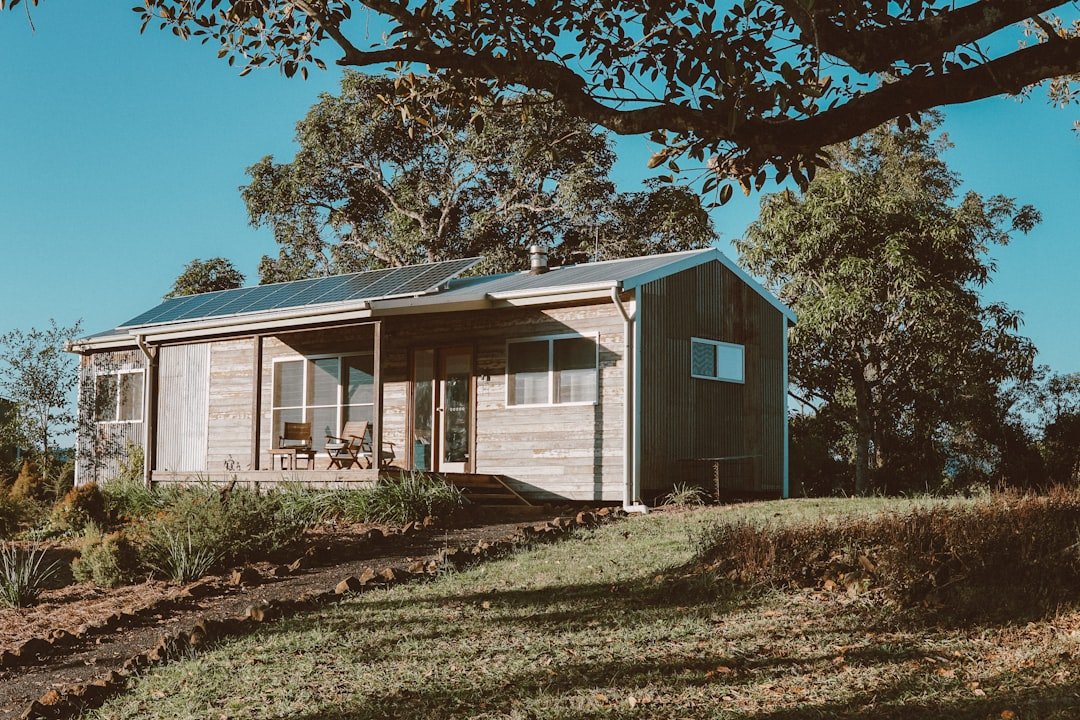
Finding a reliable pellet stove for an off-grid home is harder than it should be. Most pellet stoves assume you have grid power — they draw 300-400 watts on startup and need a constant electrical feed for the auger, combustion fan, and control board. Run that math against a solar battery bank in January and things get uncomfortable fast. We dug into specs, power consumption data, and owner reports from off-grid communities to find the pellet stoves that actually work when you’re generating your own electricity.
Our top pick: Castle Serenity 12327. Best for large spaces: Comfortbilt HP22. Best budget: US Stove 5660. Best premium: Harman P43AC.
Our Picks
Castle Serenity 12327
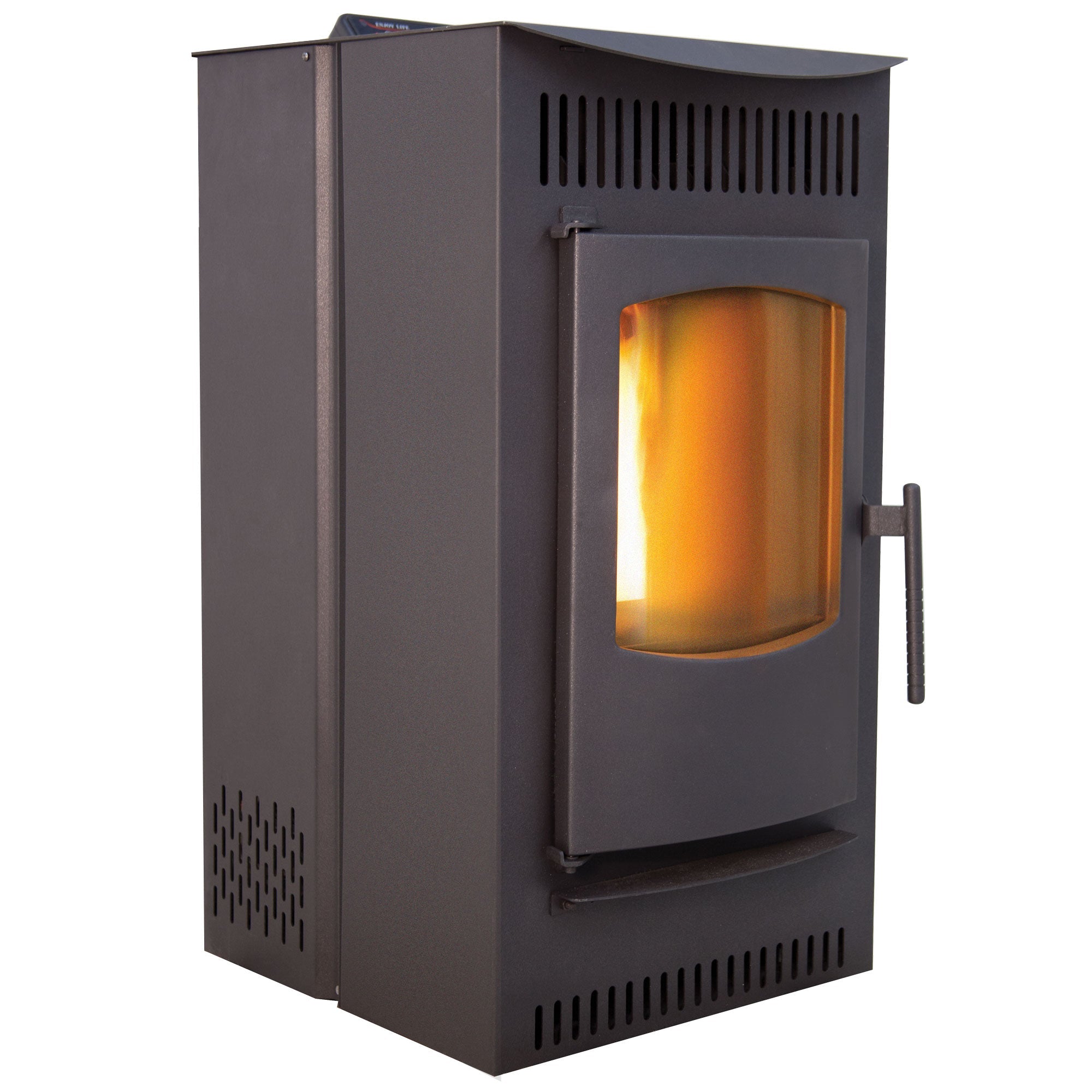
The Castle Serenity is the pellet stove we recommend most often for off-grid setups, and it comes down to one number: 60 watts steady-state draw. That’s less than a laptop charger and well within what a modest solar system can sustain around the clock. It heats up to 1,500 square feet with 31,960 BTU output and holds 40 pounds of pellets — roughly 24-36 hours of burn time on a low setting.
Who it’s for: Off-gridders with small to mid-size cabins and limited solar/battery capacity.
Pros:
– Ultra-low 60W operating draw — the lowest we found in any pellet stove worth recommending
– Smart controller with five heat settings and thermostat compatibility
– Compact footprint (22″ wide) fits tight cabin layouts without sacrificing hopper size
Cons:
– 31,960 BTU ceiling means it struggles in poorly insulated spaces over 1,200 sq ft in deep cold
– The ash pan is small; expect to clean it every 2-3 days during heavy use
Comfortbilt HP22 Pellet Stove
Off-Grid Insider
Get off-grid guides & gear picks in your inbox — free
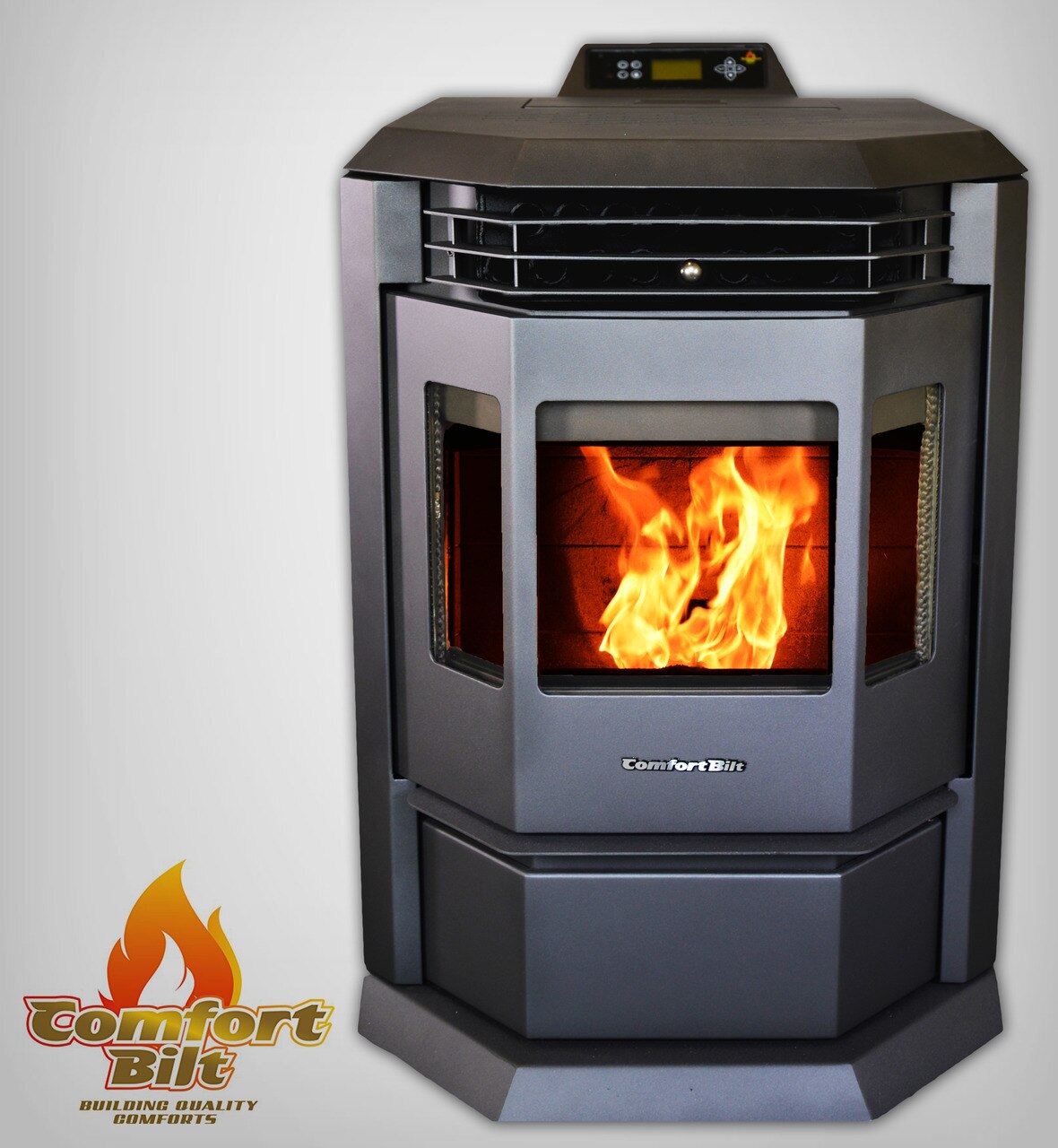
If you’re heating a larger off-grid home — think 2,800 square feet or a big open-plan cabin — the HP22 is the workhorse. It pushes 50,000 BTU with a massive 55-pound hopper that can run 36+ hours unattended on low. The tradeoff is power draw: around 100-120 watts steady state, which is manageable for a well-sized solar array but will tax a minimal setup.
Who it’s for: Off-grid homeowners with larger spaces and a solar system that can handle a consistent 100W+ load.
Pros:
– 50,000 BTU output heats large, open floor plans
– 55-lb hopper is one of the largest in residential pellet stoves — fewer refills in cold snaps
– Programmable thermostat and auto-ignition reduce daily fiddling
Cons:
– 100-120W steady draw means you need a robust battery bank or backup generation plan
– At 200+ lbs installed, it’s not something you’re moving once it’s in place
US Stove 5660 Pellet Stove

The 5660 is the best pellet stove for off-grid home heating when you’re watching every dollar. It reliably puts out up to 48,000 BTU, handles spaces up to 2,200 square feet, and typically costs $600-800 less than premium competitors. The build quality is straightforward — no frills, no fancy digital interface — but the mechanical simplicity is actually an advantage off-grid because there’s less electronics to fail.
Who it’s for: Budget-conscious off-gridders who want solid heat output without paying premium prices.
Pros:
– Significantly cheaper than comparably rated stoves from Harman or Quadra-Fire
– 48,000 BTU from a 60-lb hopper provides strong heat and long burn times
– Simple mechanical controls mean fewer electronic failure points
Cons:
– Power consumption runs 110-150W depending on fan speed — on the higher side
– The igniter is a known weak point; experienced owners keep a spare on hand
Harman P43AC Pellet Stove
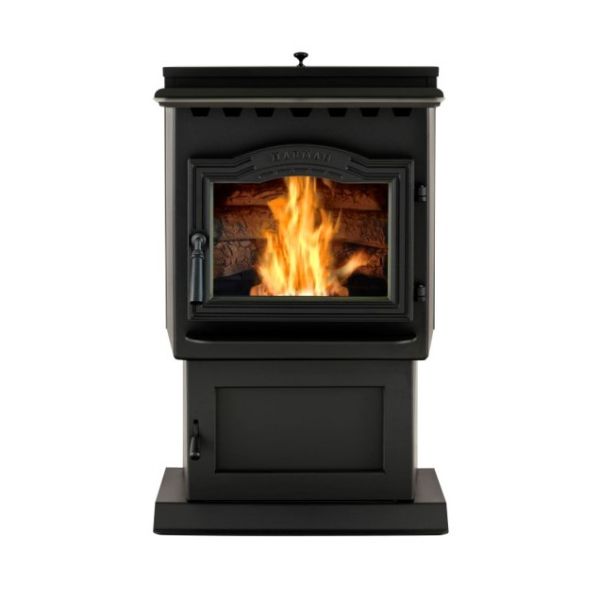
Harman builds the pellet stoves that off-grid veterans recommend when someone asks “what should I buy if I only want to buy once?” The P43AC is their mid-size model, rated at 43,000 BTU with Harman’s proprietary ESP probe system that reads exhaust temperature and auto-adjusts the feed rate. This means consistent heat output regardless of pellet brand or quality — a real advantage when you’re buying whatever pellets are available locally.
Who it’s for: Off-gridders who want a buy-it-for-life stove and are willing to pay the premium.
Pros:
– ESP probe auto-tunes combustion to pellet quality — burns cheap pellets efficiently
– Cast iron and heavy steel construction with a reputation for 15-20 year service life
– Top-loading hopper and large ash pan reduce daily maintenance
Cons:
– Premium pricing — typically $2,800-3,400 before installation
– Draws around 120W steady; the quality doesn’t extend to power efficiency
Pleasant Hearth PH50PS Pellet Stove
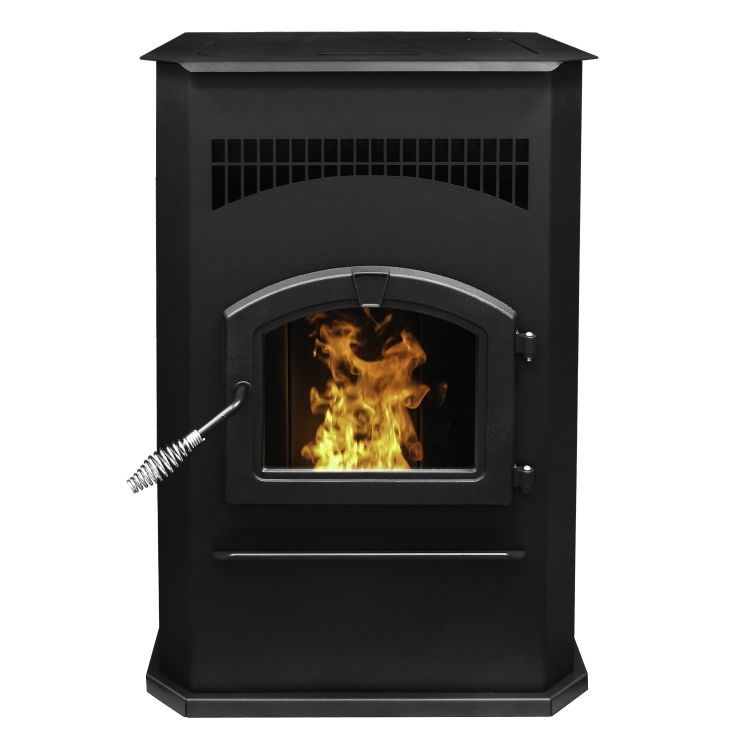
The PH50PS hits a middle ground that a lot of off-grid cabin owners land on: enough BTU (50,000) to heat a real house, a 60-lb hopper for long burns, and a price point under $1,500. It’s not as refined as the Harman or as power-efficient as the Castle, but it delivers reliable heat without the sticker shock. The large viewing window is a genuine quality-of-life feature during long off-grid winters.
Who it’s for: Mid-budget off-gridders who want strong heating capacity without going premium.
Pros:
– 50,000 BTU and 60-lb hopper at a sub-$1,500 price point — strong value ratio
– Large ceramic glass window adds ambiance (this matters more than you think in February)
– EPA-certified with low emissions — meets air quality requirements in restrictive counties
Cons:
– Fan noise on high settings is noticeable in open floor plans
– Auto-igniter reliability is mixed based on owner reports; manual lighting is the backup
Englander 25-PDVC Pellet Stove
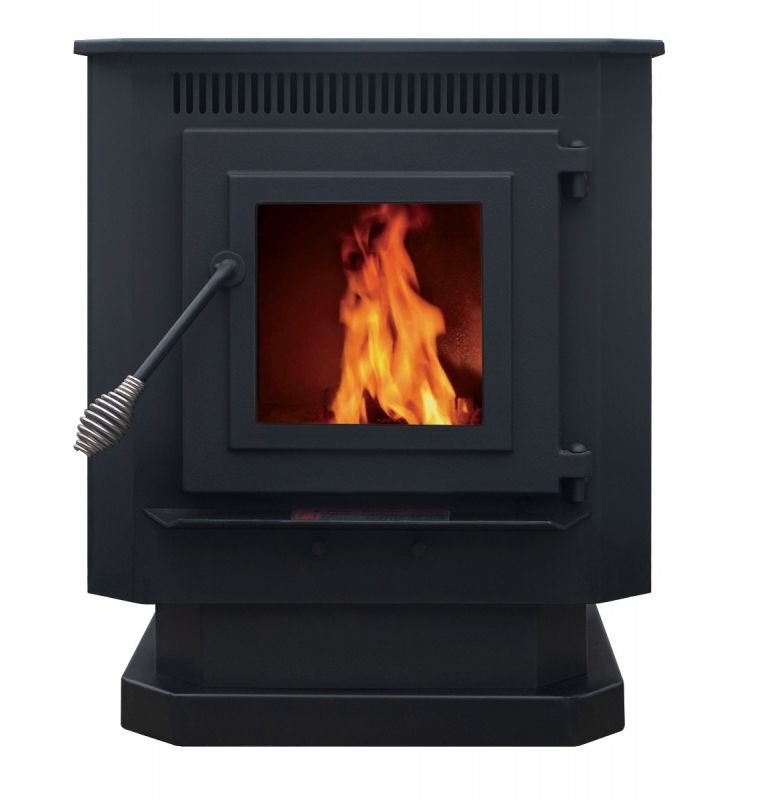
Englander has quietly built a loyal following in off-grid communities, and the 25-PDVC is the model that earned it. At 40,000 BTU with a 45-lb hopper, it covers up to 2,200 square feet. What sets it apart is the variable-speed blower system — you can dial the fan down to reduce power draw below 80W while still maintaining good heat distribution. That kind of granular control matters when your inverter capacity is the bottleneck.
Who it’s for: Off-gridders who want to fine-tune power consumption without sacrificing heating performance.
Pros:
– Variable-speed blower lets you optimize the heat-to-wattage ratio for your specific setup
– Strong community support — parts availability and DIY repair guides are excellent
– Consistently good build quality at a mid-range price
Cons:
– 40,000 BTU is the lowest in our mid-size picks; may need supplemental heat in extreme cold
– The digital control board, while functional, feels dated compared to newer interfaces
How We Chose
We started with every pellet stove currently available in the North American market and filtered for three off-grid-critical criteria: steady-state wattage draw under 150W, hopper capacity over 40 lbs, and BTU output sufficient for at least 1,000 square feet. From there, we cross-referenced manufacturer specs against real-world reports from off-grid forums, homesteading communities, and verified buyer reviews. We specifically looked for patterns around reliability in cold climates, igniter longevity, and how well each stove handled variable pellet quality — because off-grid homeowners don’t always have the luxury of picking premium fuel. Stoves with widespread reports of control board failures or excessive power spikes during ignition were eliminated.
Buying Guide: What Actually Matters for Off-Grid Pellet Stoves

Steady-State Power Draw

This is the single most important spec for off-grid use and the one most buyers overlook. Startup draw (when the igniter fires) can spike to 300-400W for 10-15 minutes, but what kills your battery bank is the continuous draw — the auger motor, combustion fan, and convection blower running 18 hours a day. A stove pulling 60W vs. 150W is the difference between 1,440 Wh and 3,600 Wh per day. On a 5kWh battery bank, that’s the difference between comfortable and sweating your state of charge every cloudy afternoon. Always check the steady-state number, not just the peak rating.
Hopper Size and Burn Rate
Off-grid living means you’re not always home to babysit the stove, and you definitely don’t want to wake up at 3 AM in a freezing cabin because the hopper ran dry. A 40-lb hopper on a low setting typically runs 24-30 hours; a 55-60 lb hopper can stretch past 40 hours. Calculate your daily pellet consumption at your expected heat setting and make sure the hopper gives you a comfortable buffer. For reference, most stoves burn 1-2 lbs per hour on low and 4-5 lbs per hour on high.
Pellet Quality Tolerance

Not every off-grid property is near a supplier carrying premium hardwood pellets. Some stoves — particularly the Harman with its ESP system — automatically adjust combustion parameters for varying pellet quality. Others will clinker up, produce excessive ash, or run inefficiently on softwood or lower-grade pellets. If your pellet supply chain isn’t reliable, prioritize stoves with a reputation for handling mixed-quality fuel, and budget for more frequent cleaning regardless.
Battery Backup and Inverter Compatibility

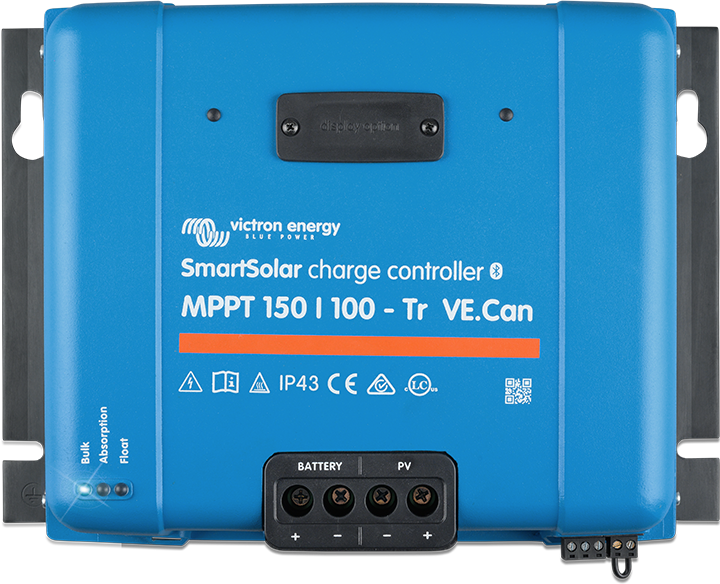
Pellet stoves need pure sine wave power. A modified sine wave inverter will damage the control board — this is a common and expensive mistake. If your off-grid system runs a modified sine wave inverter, you’ll need either a dedicated pure sine wave inverter for the stove or a standalone UPS battery backup. Factor this into your total cost. Some owners run a small dedicated 500W pure sine wave inverter just for the pellet stove to isolate it from the rest of their system.
FAQ
How many watts does a pellet stove use off-grid?
Most pellet stoves draw between 60-150 watts during steady-state operation, with startup spikes of 300-400 watts when the igniter fires. The Castle Serenity 12327 is the most efficient at around 60 watts continuous — that’s roughly 1.4 kWh per day, which a modest solar setup can handle even in winter.
Can you run a pellet stove completely off-grid?
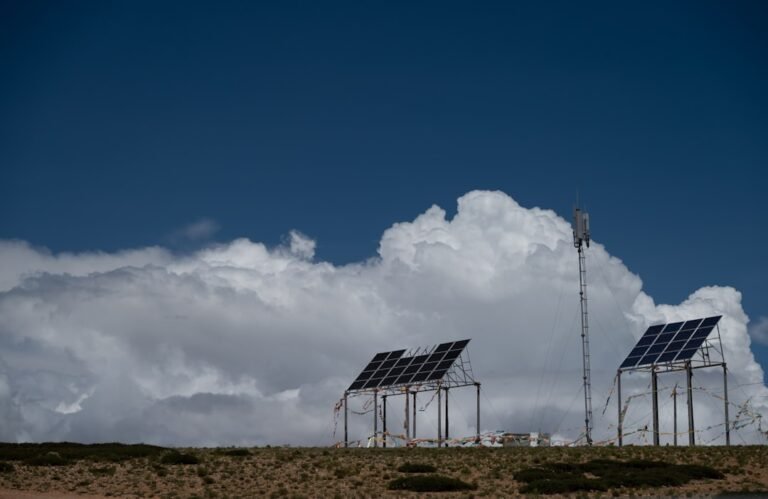
Yes, but you need a reliable electricity source — solar panels with battery storage, a generator, or a combination. The stove’s auger, fans, and control board require constant power. A 400-600W solar array paired with a 5kWh battery bank will run most pellet stoves through a typical winter day, though you should plan for backup generation during extended overcast periods.
How many bags of pellets do you need for an off-grid winter?
A typical off-grid home burning a pellet stove as the primary heat source uses 2-4 tons of pellets per heating season (roughly 100-200 forty-pound bags). Actual consumption depends on your climate, insulation quality, thermostat setting, and stove efficiency. Budget for the higher end if you’re in USDA zones 3-4 and plan storage for at least half your season’s supply before the first frost.
What happens to a pellet stove when the power goes out?
The stove shuts down — the auger stops feeding pellets and the fire dies within minutes. This is actually a safety feature. For off-grid systems, a UPS or battery backup prevents this during brief power interruptions. If you’re running solar with battery storage, your stove stays on as long as your batteries hold charge. Always have a manual backup heat source (wood stove, propane heater) for extended system failures.
Are pellet stoves better than wood stoves for off-grid homes?
Each has trade-offs. Pellet stoves offer thermostat control, consistent heat output, cleaner burning, and longer unattended operation — but they require electricity. Wood stoves need zero electricity and can burn fuel you harvest yourself, but they demand more active management and produce more creosote. Many off-grid homeowners run both: a pellet stove as the primary heater and a wood stove as the backup for when the electrical system is down or being maintained.
Our Verdict
For most off-grid homes, the Castle Serenity 12327 is the best pellet stove for off-grid home heating. Its 60-watt steady-state draw is unmatched — it’s the only stove on this list that a small solar setup can run without anxiety. If you’re heating a larger space and have the solar capacity to support it, the Comfortbilt HP22 delivers serious BTU output with a hopper that won’t quit. Whatever you choose, size your electrical system to the stove’s continuous draw, not its peak rating, and always keep a backup heat source ready.