Build a Predator-Proof Chicken Coop for Under $500
Losing chickens to predators is the fastest way to burn out on off-grid homesteading. Raccoons, hawks, foxes, weasels, and even neighborhood dogs can wipe out a small flock in a single night — and replacing laying hens at $15–$40 each adds up fast. The good news: a well-designed predator proof chicken coop off grid doesn’t require a massive budget. It requires knowing exactly where predators attack and building barriers at every point of entry.
We’ve broken down the design principles, material specs, and real costs so you can build a coop that actually keeps your birds alive — whether you’re working with $300 or $3,000.
What You’ll Learn
- The five predator entry points every off-grid chicken coop must address
- Exact materials, mesh gauges, and hardware that stop specific predators
- A full cost breakdown for three budget tiers ($300, $800, and $1,500+)
- Common design mistakes that leave flocks vulnerable even in “predator-proof” coops
Understanding Your Threat Model
Before you spend a dollar on materials, identify what’s actually hunting your birds. This determines everything from mesh gauge to foundation type.
Digging Predators (Foxes, Coyotes, Dogs)
Off-Grid Insider
Get off-grid guides & gear picks in your inbox — free
These animals dig under walls and fencing. A coop sitting on bare ground with no apron or buried barrier is an open invitation. Foxes can dig 12–18 inches deep in soft soil.
Reaching Predators (Raccoons, Opossums)
Raccoons are the most dangerous coop predator in North America. They can open simple latches, reach through standard chicken wire (2-inch hex), and pull birds through gaps as small as 3 inches. Opossums do the same but with less dexterity.
Climbing/Squeezing Predators (Weasels, Minks, Rats)

Weasels can fit through openings as small as 1 inch. Standard chicken wire won’t stop them. Rats chew through thin-gauge wire and wood.
Aerial Predators (Hawks, Owls, Eagles)
Any uncovered run is a buffet. Hawks strike during the day; owls hit at dusk and dawn.
The Five Entry Points You Must Seal
Every off-grid chicken coop predator proof design comes down to securing five zones.
1. The Floor and Foundation
Best approach: A hardware cloth apron extending 18–24 inches outward from the coop base, buried 4–6 inches underground or laid flat and covered with soil/gravel.
- Use 1/2-inch galvanized hardware cloth (19-gauge minimum). This stops weasels, rats, raccoons, and digging predators.
- For permanent coops, a concrete slab or paver base eliminates digging entirely. A 6×8 slab runs roughly $150–$250 in materials for a DIY pour.
- For mobile tractors, attach a hardware cloth floor or skirt with landscape staples when stationary.
2. Walls and Framing
- Frame with 2×4 lumber or better. Avoid thin plywood panels alone — raccoons and dogs can claw through 1/4-inch ply.
- Cover all ventilation openings and windows with 1/2-inch hardware cloth, secured with screws and fender washers every 2–3 inches. Staples alone pull out — this is the number-one failure point we see reported in homesteading forums.
- Minimum wall height of 4 feet for a walk-in coop makes daily management realistic and reduces back strain during off-grid winters when you’re hauling water.
3. The Door and Latches
Raccoons can open hook-and-eye latches, slide bolts, and even some carabiner clips. You need a two-step latch — one that requires two distinct motions to open.
Recommended options:
– Snap-lock hasp with padlock or carabiner — the hasp lifts, then the lock secures it
– Spring-loaded barrel bolt — requires lifting and sliding simultaneously
– Automatic coop door (if you have solar power) — the RUN-CHICKEN Model T50 ($150–$200) runs on a built-in solar panel and battery, opens at dawn, closes at dusk
For off-grid setups without reliable power, manual two-step latches on every door are non-negotiable.
4. The Roof and Overhead Cover
- Enclosed coops need a solid roof — plywood with metal roofing panels is standard and lasts 25+ years.
- Runs must be covered. Use 1/2-inch hardware cloth or welded wire across the top. For larger runs (over 100 sq ft), 2×4-inch welded wire overhead stops hawks while reducing material cost. Add bird netting as a secondary layer if owl pressure is high.
- Corrugated polycarbonate panels over part of the run provide rain shelter and still block aerial attacks.
5. The Run Perimeter
- Never use chicken wire as your primary barrier. Despite the name, standard hex chicken wire is too weak — raccoons tear through it, dogs chew it, and weasels slip through the gaps. It’s only useful for keeping chickens in, not predators out.
- Use 1/2-inch hardware cloth for maximum security or 2×4-inch welded wire (14-gauge) for larger run areas where cost is a concern.
- Bury or apron the base of run fencing the same way as the coop foundation.
Full Cost Breakdown by Budget Tier
Budget Build: $250–$400
A converted pallet coop or small A-frame tractor for 3–5 birds.
| Item | Estimated Cost |
|---|---|
| Reclaimed pallets / lumber | $0–$50 |
| 1/2″ hardware cloth, 36″ × 50′ roll | $55–$75 |
| 2×4 welded wire for run, 4′ × 50′ | $45–$60 |
| Hinges, latches, screws, washers | $25–$35 |
| Metal roofing (reclaimed or new) | $30–$60 |
| Landscape fabric + gravel for apron | $20–$30 |
| Total | $175–$310 |
This works for small flocks in moderate-predator areas. The tradeoff is durability — pallet wood rots faster and requires more maintenance.
Mid-Range Build: $600–$1,000

A purpose-built 4×8 walk-in coop with an attached 8×12 run for 6–10 birds.
| Item | Estimated Cost |
|---|---|
| Framing lumber (2×4s, 4×4 posts) | $120–$180 |
| T1-11 siding or 1/2″ plywood + paint | $80–$120 |
| 1/2″ hardware cloth, two 36″ × 100′ rolls | $180–$240 |
| Metal roofing panels | $60–$90 |
| Automatic coop door | $150–$200 |
| Latches, hinges, hardware | $40–$50 |
| Concrete pavers or apron materials | $50–$80 |
| Total | $680–$960 |
This is the sweet spot for most off-grid homesteads. Sturdy enough to last 10+ years with basic maintenance, and large enough for a productive egg-laying flock.
Premium Build: $1,500–$2,500+
A fully insulated 8×10 coop with electric fencing perimeter and automated systems.
This tier adds:
– Electric poultry netting like Premier 1 PoultryNet ($150–$230 per 100′ section) — the single most effective predator deterrent for free-range daytime use
– Solar-powered fence energizer ($80–$150)
– Insulated walls for cold-climate off-grid coops
– Concrete slab foundation
Common Mistakes That Get Chickens Killed

1. Using chicken wire as the primary predator barrier. We can’t stress this enough. Chicken wire stops chickens. It does not stop raccoons, dogs, foxes, or weasels. Every year, homesteading forums fill up with posts from people who learned this the hard way. Use hardware cloth.
2. Stapling hardware cloth instead of screwing it. Staples — even heavy-duty ones — work loose over time and can be pried up by raccoons. Use screws with fender washers. It takes longer, but it holds permanently.
3. Forgetting the apron. A beautiful coop with no buried barrier or ground apron is just a predator puzzle box. Foxes will dig under it in one night. Lay that 18–24 inch apron, every time.
4. Leaving gaps around pop doors and clean-out panels. Any gap over 1 inch is a weasel entry point. After assembly, walk around the coop at ground level and check every seam. Fill gaps with hardware cloth scraps or expanding foam backed by mesh.
Our Recommendations
Best Hardware Cloth
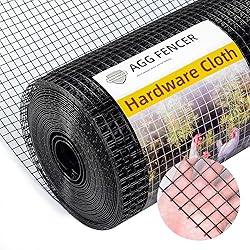
Gilbert & Bennett 1/2-inch 19-gauge galvanized hardware cloth — the industry standard for coop builders. Available in 24″, 36″, and 48″ widths. Buy the 100-foot rolls for better per-foot pricing. Expect to pay $1.50–$2.50 per linear foot depending on width.
Best Automatic Coop Door

RUN-CHICKEN Model T50 — solar-powered with a built-in battery that holds charge for weeks. Light sensor opens and closes the door automatically. A strong pick for off-grid setups since it needs zero external wiring. Aluminum door resists raccoon prying better than plastic competitors.
Best Electric Perimeter Fence
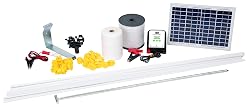
Premier 1 Supplies PoultryNet Plus — 48″ tall electrified netting that stops coyotes, foxes, and dogs cold. Pair it with a Parmak solar fence energizer for a fully off-grid perimeter defense. This combination is the closest thing to a guarantee against ground predators during free-range hours.
FAQ
Is chicken wire ever acceptable for a coop?
Only as a secondary layer or for internal dividers. It keeps chickens contained but fails against raccoons, dogs, foxes, and weasels. Use 1/2-inch hardware cloth as your primary barrier on every opening.
How deep should I bury wire to stop digging predators?
You don’t necessarily need to bury it deep. An apron of hardware cloth extending 18–24 inches outward from the coop base, laid 4–6 inches below the surface and covered with soil or gravel, is more effective than a straight-down burial. Predators dig at the base of a wall, hit the horizontal apron, and give up.
Can I predator-proof a coop without electricity?
Absolutely. Manual two-step latches, hardware cloth on all openings, a solid roof, and a buried apron handle the vast majority of threats with zero power. Electric fencing adds a layer of security for free-ranging during the day but isn’t required for a well-built coop and run.
What’s the minimum budget for a predator-proof coop?
Around $250–$350 if you source reclaimed lumber and build a small coop for 3–5 birds. The non-negotiable expense is hardware cloth — don’t cut corners on mesh quality. Everything else (framing, roofing, siding) can be salvaged, but the wire that stands between your flock and a raccoon needs to be 1/2-inch galvanized hardware cloth, properly fastened.
How do I predator-proof an existing coop on a budget?
Start with the highest-risk areas: replace any chicken wire with hardware cloth, add two-step latches to every door, and install an apron around the base. These three upgrades typically cost $75–$150 in materials and address 90% of predator entry methods. Seal any gaps over 1 inch with hardware cloth scraps secured by screws and fender washers.