Off-Grid Water Usage: 10-15 Gallons Per Person Daily
I’ll write this article now.
The average person living off-grid needs a minimum of 5 gallons of water per day for basic survival needs — drinking, cooking, and minimal hygiene. However, most off-grid households that want a reasonable quality of life should plan for 10 to 15 gallons per person per day. That range covers drinking water (about 1 gallon), cooking (1–2 gallons), basic washing and sanitation (3–5 gallons), and a modest amount for dishes and cleaning. If you’re running a homestead with livestock or a garden, your total property water needs will be significantly higher, but the per-person domestic figure of 10–15 gallons is the number to design your storage and collection systems around.
How We Break Down Daily Off-Grid Water Usage
That 10–15 gallon figure isn’t a guess — it comes from cross-referencing FEMA emergency planning guidelines, Peace Corps field manuals, and real-world reports from off-grid communities across the American West and Appalachia.
Here’s roughly where the water goes each day per person:
| Use | Gallons Per Day |
|---|---|
| Drinking | 0.5–1 |
| Cooking | 1–2 |
| Hand washing & face washing | 0.5–1 |
| Sponge bath or navy shower | 2–3 |
| Dish washing | 1–2 |
| Toilet (composting = 0, bucket flush = 1–2) | 0–2 |
| Laundry (hand wash, shared across week) | 1–2 |
| Cleaning & miscellaneous | 0.5–1 |
| Total | 7–14 |
The wide range reflects real differences in lifestyle. Someone using a composting toilet and taking sponge baths will sit at the low end. Someone with a gravity-fed shower and a pour-flush toilet will land higher. The key point: even the low end is well above the bare survival minimum of 1 gallon per day that gets thrown around in prepper forums. You can survive on 1 gallon. You cannot live on it — not hygienically, not sustainably.
For system design — whether you’re sizing a rainwater catchment tank or estimating how often you’ll need to haul water — we recommend planning for 15 gallons per person per day. That builds in a buffer for hot days, unexpected guests, and the occasional deeper clean. Multiply by the number of people in your household, then multiply by the number of days of storage you want (we recommend a minimum of 14 days), and you have your baseline tank capacity.
Example: A couple planning two weeks of storage needs 15 × 2 × 14 = 420 gallons minimum in their tank system.
How Much Water Do You Need Just for Drinking Off-Grid?
Plan for one gallon of drinking water per person per day as your baseline. In hot climates or during heavy physical labor — which is most days on a homestead — that can climb to 1.5 gallons. FEMA and the Red Cross both use the 1-gallon-per-person figure as their emergency planning standard, and it holds up well for off-grid daily life.
That gallon covers both straight drinking and water used in beverages like coffee or tea. Cooking water is separate. If your water source isn’t potable, you’ll need a reliable filtration or purification system. Gravity-fed ceramic filters like the Berkey-style systems are popular in the off-grid community because they require no electricity and handle most biological contaminants. For well water with chemical concerns, a multi-stage system with activated carbon and sediment filters is a better fit.
How Do You Reduce Water Usage Off-Grid?
Off-Grid Insider
Get off-grid guides & gear picks in your inbox — free
The biggest water savings come from three changes: switching to a composting toilet, taking navy showers, and catching gray water for reuse.
Composting toilets eliminate 1–3 gallons per person per day outright. That’s the single largest reduction most households can make. Models like the Nature’s Head are widely used in off-grid cabins and get consistently strong reviews from long-term users.
Navy showers — wetting down, turning the water off to lather, then rinsing — cut shower water use from 15–20 gallons down to about 2–3 gallons. A low-flow shower head rated at 1.5 GPM or less makes this even more effective.
Gray water reuse — redirecting sink and shower water to irrigate non-food plants or flush toilets — doesn’t reduce your consumption, but it stretches each gallon further. Check local regulations before setting up a gray water system, as rules vary significantly by county.
How Much Water Storage Do You Need for an Off-Grid Home?
We recommend a minimum of 14 days of water storage based on your daily usage estimate. For a family of four at 15 gallons per person per day, that’s 840 gallons. A single 275-gallon IBC tote won’t cut it — you’d need three of them, or a dedicated polyethylene water tank in the 1,000–1,500 gallon range.
If your primary source is rainwater, storage needs increase further. In arid regions, we recommend 30–60 days of storage to bridge dry spells. A 1,500-gallon above-ground water tank is a common starting point for two-person off-grid households in the Southwest.
Underground cisterns offer more capacity with less visual footprint, but installation costs are significantly higher. Most off-grid builders we’ve seen documented start with above-ground poly tanks and expand as budget allows.
Does Off-Grid Water Usage Change by Season?
Yes, and meaningfully. Summer water consumption typically runs 20–30% higher than winter for most off-grid households. The reasons are straightforward: you drink more, you sweat more (requiring more frequent washing), and any garden or livestock water needs spike.
In winter, consumption drops — but don’t make the mistake of downsizing your storage based on cold-weather numbers. Your system should be designed for peak demand. Additionally, winter brings its own challenge: freeze protection. Buried water lines, insulated tanks, and heat tape on exposed pipes are essential in any climate that drops below freezing. A burst water line off-grid isn’t just an inconvenience — it can wipe out your entire stored supply.
How Much Water Do Off-Grid Livestock and Gardens Need?
This is where water planning gets serious. A single dairy goat drinks 2–4 gallons per day. A cow can require 30–50 gallons per day in summer. Chickens are modest at roughly a quarter-gallon per bird daily, but a flock of 20 adds up to 5 gallons.
Garden water is even more variable. A 1,000-square-foot garden in a temperate climate might need 60–100 gallons per day during peak growing season, depending on soil type, mulching, and whether you’re using drip irrigation or overhead watering. Drip irrigation kits can cut garden water use by 30–50% compared to sprinkler or hand-watering methods.
The critical takeaway: calculate your domestic per-person needs and your homestead needs separately, then add them together. Many first-time off-gridders size their water system for household use only and find themselves overwhelmed the first summer they try to run a serious garden.
What’s the Best Off-Grid Water Source?
The most reliable off-grid water source is a drilled well with a solar-powered pump. A properly drilled well into a good aquifer can deliver 5–20+ gallons per minute and provides water year-round regardless of rainfall. The upfront cost is significant — typically $5,000–$15,000 depending on depth and geology — but the long-term reliability is unmatched.
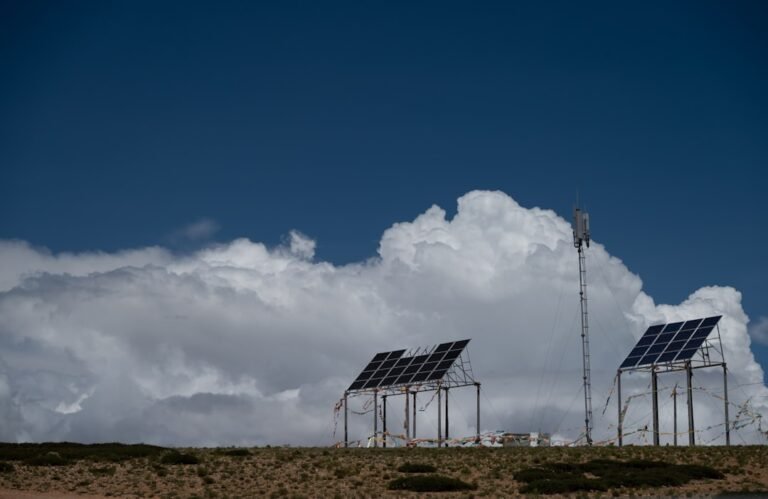
Solar-powered well pumps eliminate the need for grid power and pair well with a storage tank for consistent pressure. Brands like Grundfos SQFlex and RPS are frequently cited in off-grid forums for long-term reliability.
Rainwater harvesting is the next best option, especially in areas with 30+ inches of annual rainfall. A 1,000-square-foot roof can capture roughly 600 gallons per inch of rain. Springs, where available, are ideal but location-dependent. Hauling water works as a stopgap but becomes unsustainable long-term for any household using more than minimal amounts.
Can You Survive on Less Than 5 Gallons a Day Off-Grid?
Technically, yes. The absolute physiological minimum for drinking water is about half a gallon per day in a temperate climate — less in cool weather, more in extreme heat. Organizations like the WHO define a “survival allocation” of about 1.3 gallons (5 liters) per day covering drinking and minimal food preparation.
But surviving and living sustainably are different things. Below 5 gallons a day, hygiene deteriorates quickly. Skin infections, gastrointestinal issues, and general quality-of-life problems show up within weeks according to humanitarian aid data. For short-term emergency situations, 2–3 gallons per day is manageable. For permanent off-grid living, aim for at least 10 gallons and build your systems to deliver 15.
Plan for 10–15 gallons per person per day for comfortable off-grid living, and size your storage and supply systems around the 15-gallon mark to build in a safety margin. The exact number depends on your sanitation setup, climate, and how aggressively you conserve — but getting your water infrastructure right from the start is one of the most important decisions you’ll make on any off-grid property.