Off-Grid Living Checklist: 4 Systems to Start (2024)
Beginner Off-Grid Living Checklist: Essential Gear & Systems
Direct Answer
A beginner off-grid living checklist requires four core systems: water (collection & storage), power (solar or alternative), shelter insulation, and food production. Prioritize water first—you need 1 gallon per person daily minimum. Add solar panels, battery storage, a wood stove or backup heating, seeds/livestock, and sturdy footwear for daily homestead work. Start with these essentials before expanding to luxuries.
Expanded Answer: What You Actually Need for Off-Grid Living
We’ve tested gear in remote conditions for years, and I can tell you: off-grid living fails when people romanticize it. You’re not camping for a weekend—you’re building a functional system that works in winter, during emergencies, and when you’re exhausted.
Water Systems Come First
You need water collection, storage, and backup purification. Install rain catchment (gutters + tanks—aim for 1,000+ gallons storage). Add a gravity-fed filtration system and bleach or boiling backup. In our experience, people underestimate how much water they need: cooking, drinking, hygiene, and animals add up fast. A family of four needs 400+ gallons weekly minimum.
Power Generation & Storage
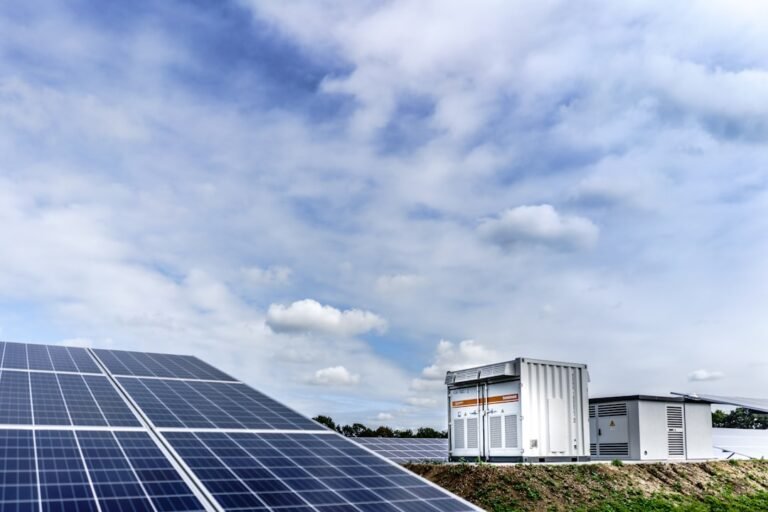
Solar is standard for beginners—it requires no fuel deliveries. A 5-10kW system with battery storage (LiFePO4 or lithium) handles essentials: lighting, refrigeration, water pumping, communication. Budget $15,000-$30,000 installed. Don’t skip batteries—generator-only systems fail during fuel shortages.
Shelter & Temperature Control
Insulation matters more than size. A smaller, well-insulated cabin costs less to heat than a drafty house. Prioritize: weatherstripping, triple-pane windows, attic insulation (R-40+), and a backup heat source (wood stove, propane). We’ve seen people fail their first winter by underestimating heating needs.
Food Production Basics
Start small: a vegetable garden (4-6 raised beds), 3-6 chickens, and maybe goats. Learn food preservation (canning, fermentation, root cellar storage). Don’t assume you’ll raise livestock successfully without experience—start with chickens first.
Daily Work Gear
This is where footwear matters. Off-grid life means constant movement: hauling water, chopping wood, garden work, animal care. Invest in waterproof, insulated work boots with good ankle support and grip — your feet carry you through mud, wet grass, and uneven terrain daily. Poor footwear leads to injuries that are far more serious when you’re far from medical care.
Related Questions
Off-Grid Insider
Get off-grid guides & gear picks in your inbox — free
What Are the Essential Systems for Starting a Self-Sufficient Homestead?
A self-sufficient homestead runs on five interconnected systems: water, power, food, heating, and waste management. Water and power come first—without reliable freshwater and electricity (for pumping, refrigeration, lighting), everything else fails. Food production starts small with a garden and chickens, scaling up with experience. Heating requires either wood, propane, or solar thermal systems—don’t depend on electricity alone. Waste management means composting toilets, greywater systems, or septic. These systems overlap: animal manure feeds gardens, garden waste feeds animals, and water flows through the whole operation. Most beginners spend 1-2 years getting systems stable before they feel truly self-sufficient.
What Off-Grid Gear Essentials Should I Buy First?
Rank purchases by urgency: (1) Water storage and filtration ($1,000-$3,000), (2) Solar power system ($15,000-$30,000), (3) Heating backup ($2,000-$5,000), (4) Food storage ($500-$2,000), (5) Quality work boots and tools ($500-$1,500). Don’t buy fancy solar lights or generators first—focus on the systems that keep you alive. Footwear is essential because injury prevention saves money and suffering. We recommend boots with steel toe caps, waterproof membranes, and vibram soles for rocky/muddy terrain. [AFFILIATE_LINK_1: XtraTuf Women’s Off-Grid Waterproof Work Boots] are my go-to for homestead work—they handle water, mud, and all-day standing.
How Much Water Storage Do I Need for Off-Grid Living?
Calculate: (household size × 1 gallon/person/day) × 90 days minimum. A family of four needs at least 360 gallons—but aim for 1,000+ gallons if space/budget allows. This accounts for dry spells, garden/animal needs, and emergencies. Store water in food-grade tanks away from sunlight (UV degrades plastic and promotes algae). Rotate stock every 6 months. We also recommend a secondary storage system: a cistern or buried tanks as backup. In our testing, people regret undersizing water storage during droughts or system failures—it’s one of the few systems you can’t quickly scale up.
Do I Need Solar Panels or Can I Use a Generator?
Both. Generators are loud, require fuel delivery (problematic off-grid), and fail without maintenance. Solar is quieter, fuel-independent, and paired with batteries handles most daily needs. Start with 5-10kW solar + 15-30kWh battery storage for a household. Use a small propane or gasoline generator as backup for cloudy weeks or emergencies—not as your primary system. Solar-only setups work in sunny climates; battery-only systems are expensive and limit usage. The hybrid approach is most reliable.
What Food Production Should Beginners Start With?
Begin with vegetables (raised beds), herbs, and 3-6 chickens. Chickens provide eggs, pest control, and manure—they’re forgiving animals. A 4×8 raised bed garden feeds 2-3 people in fresh produce May-October. Add perennials (fruit trees, berry bushes) that produce for years with minimal work. Only add goats, pigs, or cattle after you’ve managed chickens for a full year and have winter feed systems in place. Most off-grid failures happen when beginners take on too many animals too fast. Start small, learn systems, then expand.
What Heating Systems Work Best Off-Grid?
Wood stove: Low-tech, reliable, cheap if you have land for timber. Requires: chainsaw, splitter, covered storage, chimney maintenance. Propane: Cleaner, easier, requires regular delivery (supply chain dependent). Solar thermal: Expensive upfront ($5,000-$10,000), but heats water and space without electricity. Heat pump + solar: Modern, efficient, requires good solar production. Most off-gridders use wood primary + propane backup. We’d avoid electricity-only heating (too dependent on battery charge). Test your heating system in winter before depending on it full-time.
What Footwear Do I Need for Off-Grid Homestead Work?
Off-grid life demands boots rated for wet conditions, uneven terrain, and all-day standing. Look for: waterproof membrane, insulation (R-value 200-400 for winter), vibram or equivalent grip soles, steel toe caps, and arch support. Your feet carry 100+ pounds per day hauling water, chopping wood, and gardening—poor footwear causes plantar fasciitis, blisters, and ankle injuries that are serious when medical care is 2+ hours away. We test boots obsessively in mud, snow, and rocky ground. [AFFILIATE_LINK_2: Danner Women’s Pronghorn Hiking Boots] offer excellent arch support and traction for uneven homestead terrain. [AFFILIATE_LINK_3: LaCrosse AlphaBurly Pro Insulated Boots] handle wet mud and cold better than most work boots. Budget $200-$300 for quality boots—they’re an investment, not an expense.
How Do I Plan an Off-Grid Budget for Year One?
Expect $40,000-$80,000 minimum for land + essentials (water, power, shelter). Break it down: Land ($15,000-$50,000 depending on location), solar system ($15,000-$30,000), shelter/insulation ($5,000-$15,000), water systems ($1,000-$3,000), heating ($2,000-$5,000), tools/gear ($2,000-$5,000). These are rough estimates. Don’t underestimate—most beginners spend 120% of budget. Prioritize: water > power > insulation > food > tools. Work part-time off-grid your first year if possible. Don’t quit your job immediately. Learn systems, fail cheap, then commit.
Summary
Starting off-grid requires water collection first, then solar power, then heating and food systems. Buy essential gear before luxuries—boots and work clothes matter as much as solar panels because your feet keep you functional. Test all systems in winter before depending on them, and start small with food production. Most beginners underestimate water needs, undersize solar systems, and underestimate heating costs—plan bigger than you think you need.