7 Best Off-Grid Inverters 2026
Choosing the right inverter for an off-grid system is one of those decisions that can make or break your entire setup. Get it wrong and you’re dealing with fried electronics, phantom loads draining your battery bank overnight, or an inverter that can’t handle your well pump’s startup surge. We dug into spec sheets, installer forums, and hundreds of verified buyer reports to find the inverters actually worth your money.
Our top pick: Victron MultiPlus-II 3000VA — the gold standard for expandable off-grid systems.
Best budget: AIMS Power 3000W Pure Sine Wave — solid performance without the premium price tag.
Best for large homes: Sol-Ark 15K — an all-in-one hybrid inverter that handles serious loads.
Best compact option: Renogy 2000W Pure Sine Wave — clean power in a surprisingly small footprint.
Our Picks for the Best Inverters for Off-Grid Systems
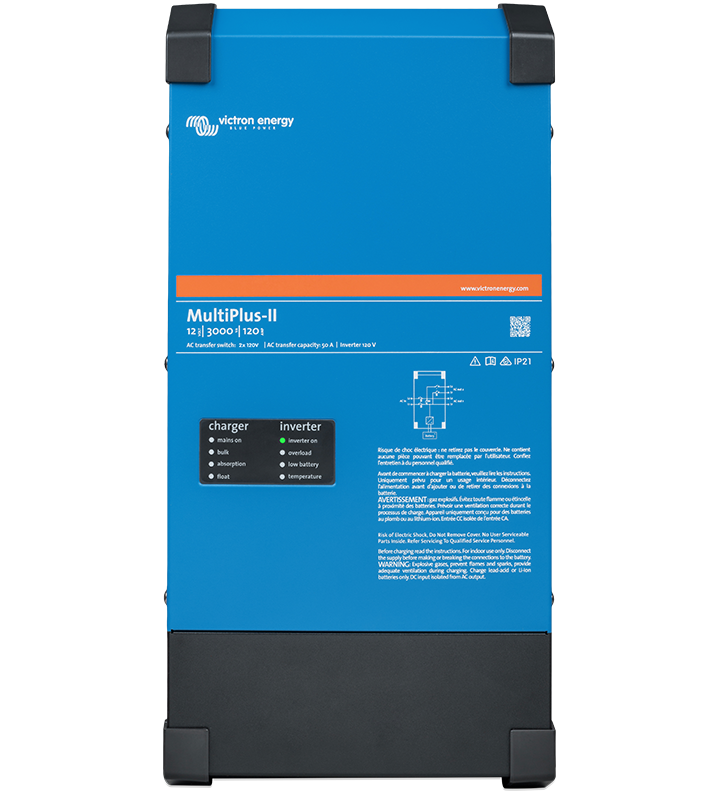

Victron MultiPlus-II 3000VA
The Victron MultiPlus-II is the inverter we recommend to anyone building a serious off-grid power system. It delivers true pure sine wave output, integrates seamlessly with Victron’s ecosystem of charge controllers and monitoring hardware, and supports parallel and three-phase configurations when you’re ready to scale.
Who it’s for: Homesteaders and off-grid builders who want a professional-grade system with room to grow.
Pros:
– Built-in transfer switch and 70A battery charger handle generator integration without extra hardware
– PowerAssist feature blends battery and generator power to cover surge loads your generator alone can’t handle
– Victron’s VRM online portal and GX monitoring devices give you granular, real-time system data from anywhere
Cons:
– The Victron ecosystem carries a premium — budget an extra $300–600 for a GX communication device and proper monitoring
– Programming through VictronConnect can overwhelm first-timers; plan on a learning curve or hire an installer
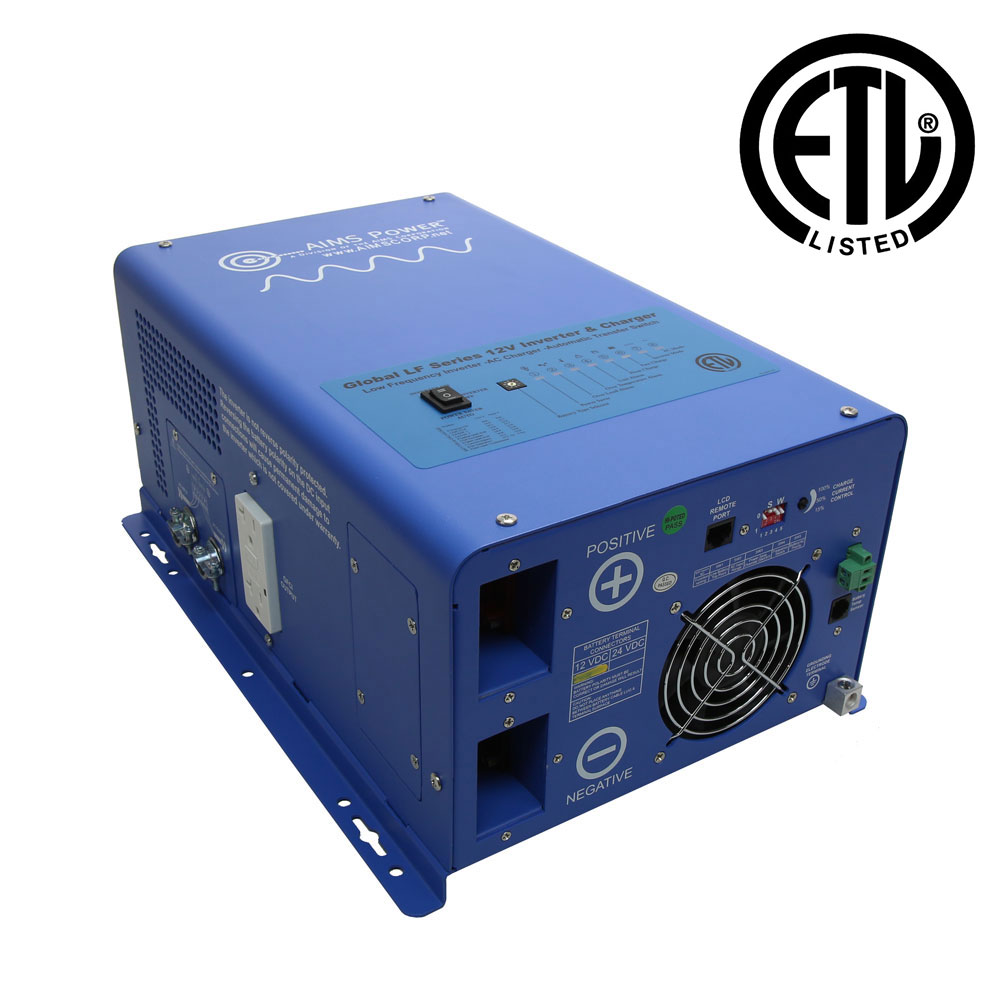

AIMS Power 3000W Inverter
Off-Grid Insider
Get off-grid guides & gear picks in your inbox — free
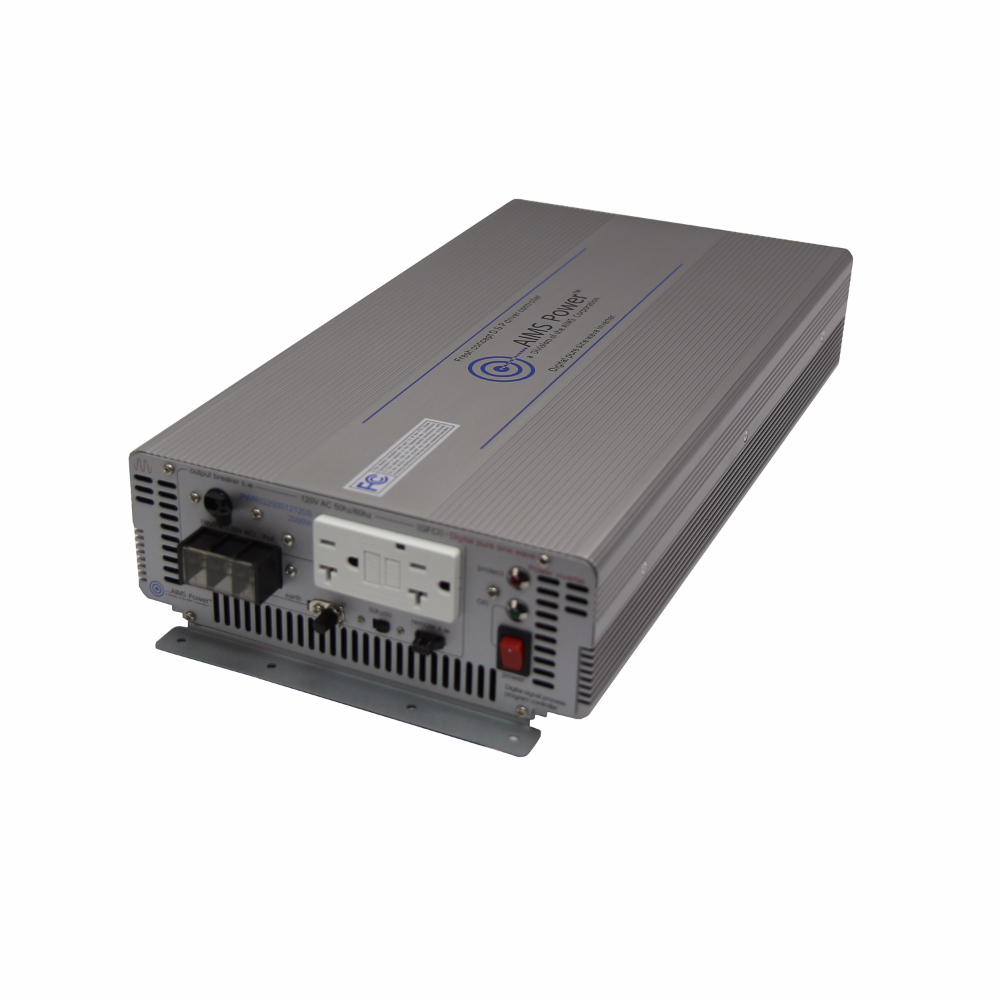
AIMS has built a strong reputation in the off-grid community for delivering reliable inverters at prices that don’t require a second mortgage. The 3000W pure sine wave model puts out clean power suitable for sensitive electronics, and its built-in charger simplifies generator-based recharging.
Who it’s for: Budget-conscious off-gridders who need dependable pure sine wave power without Victron-level pricing.
Pros:
– Peak surge rating of 9000W handles well pump and compressor startups that choke lesser inverters
– Hardwired 30A transfer switch built in — no external transfer panel needed for basic setups
– Straightforward dip-switch configuration means no proprietary software or Bluetooth apps required
Cons:
– No built-in monitoring ecosystem; you’ll need a separate battery monitor like a Victron SmartShunt or Bogart TM-2030
– Fan noise under moderate loads is noticeably louder than competitors in the same class
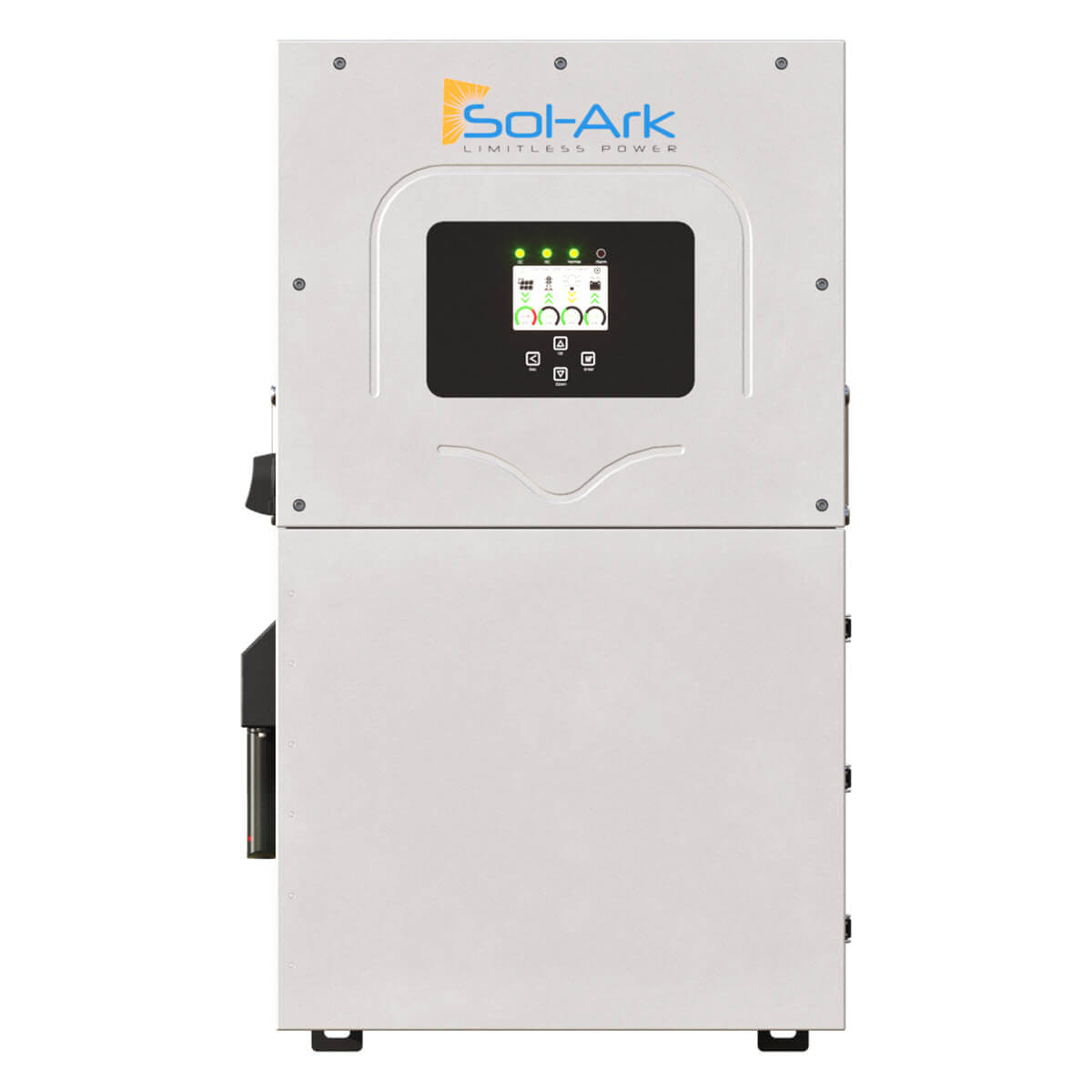
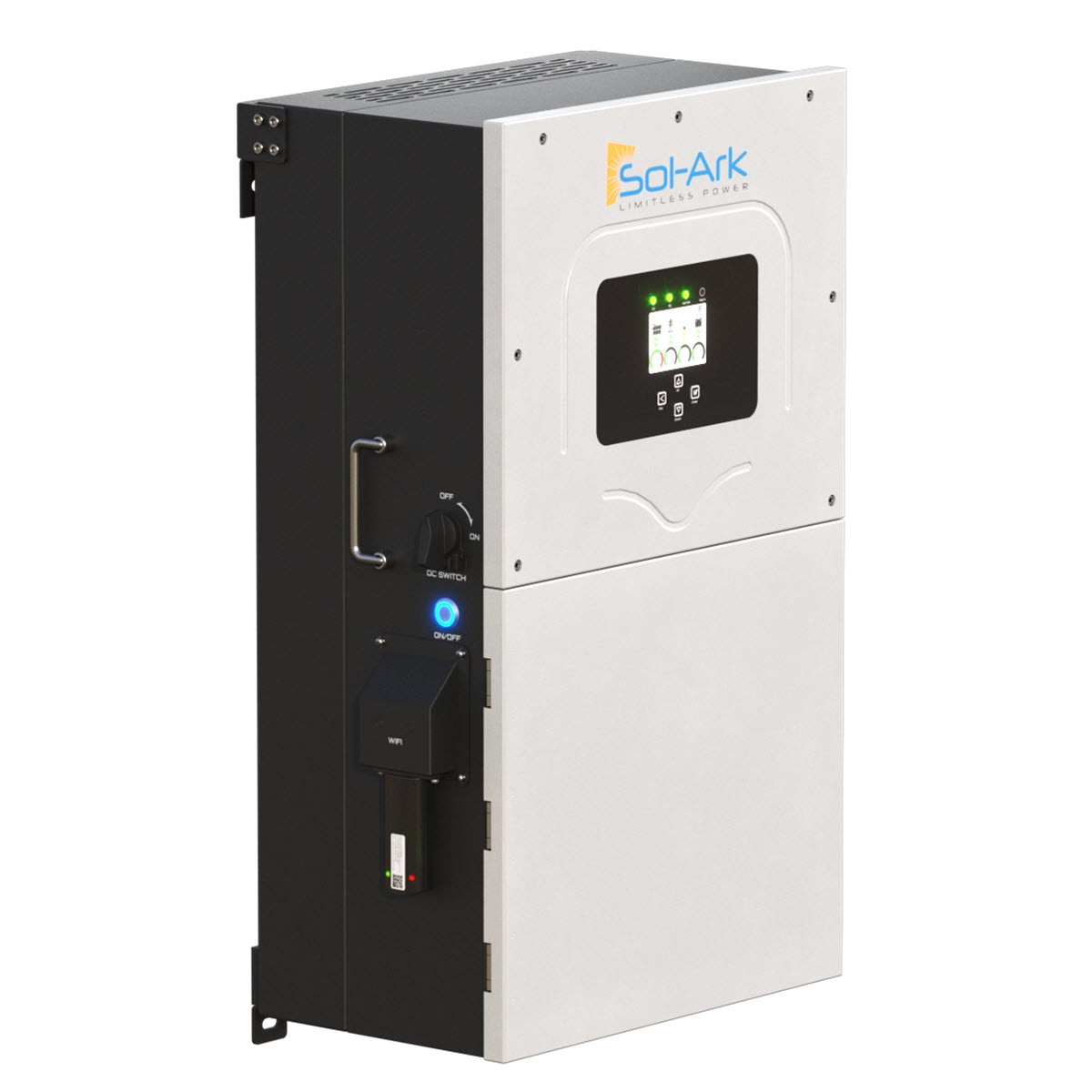
Sol-Ark 15K

The Sol-Ark 15K is the best inverter for off-grid systems that need to power a full-size home. It handles 15,000 watts continuous with a 22,500W surge rating, supports both 120V and 240V split-phase output natively, and manages solar input, battery charging, and generator integration from a single box.
Who it’s for: Families running a full off-grid household — think well pump, HVAC, kitchen appliances, and a workshop all on one system.
Pros:
– Dual MPPT solar inputs accept up to 18,000W of PV, eliminating the need for separate charge controllers in most setups
– 200A pass-through allows grid or generator connection without derating the inverter’s output
– Built-in rapid shutdown compliance and arc fault detection simplify permitting in jurisdictions that require NEC 2020 compliance
Cons:
– At roughly $5,000–$6,500, the upfront cost is steep — though it replaces multiple components
– Weighs 135 lbs and requires a dedicated mounting location with adequate ventilation; this is not a portable unit
Renogy 2000W 12V Pure Sine Wave Inverter

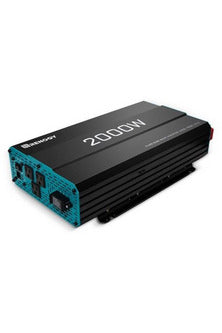
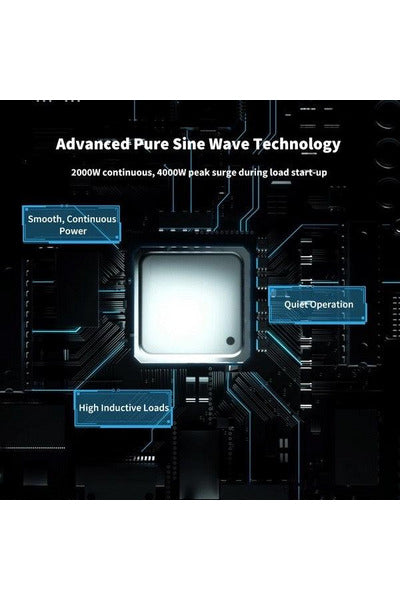
Renogy’s 2000W inverter is a clean, compact option for smaller off-grid cabins, RVs, or as a dedicated circuit inverter in a larger system. The pure sine wave output runs electronics cleanly, and the unit’s small form factor makes it easy to mount in tight spaces.
Who it’s for: Cabin owners, van dwellers, or anyone running a modest off-grid setup under 2,000 watts continuous.
Pros:
– Compact design at just over 18 inches long fits where larger inverter-chargers simply won’t
– Less than 1W standby draw keeps phantom loads from silently draining your battery bank
– LED display shows real-time wattage, input voltage, and fault codes without needing a separate monitor
Cons:
– No built-in charger — you’ll need a separate shore power or generator charging solution
– 12V-only configuration limits battery bank scalability; serious off-grid builds will want 24V or 48V

Growatt SPF 5000ES
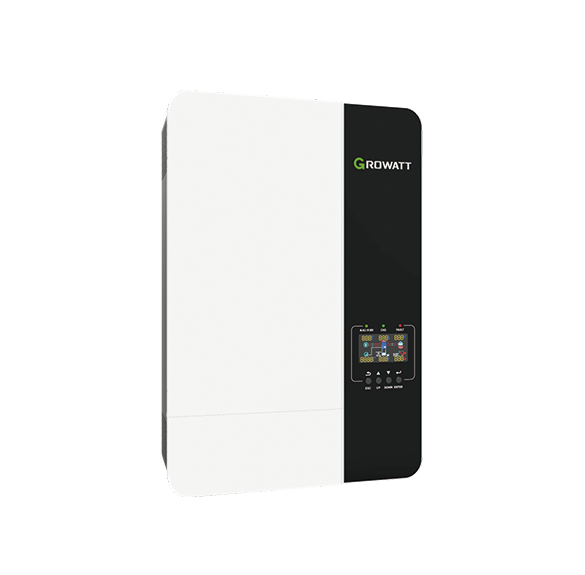
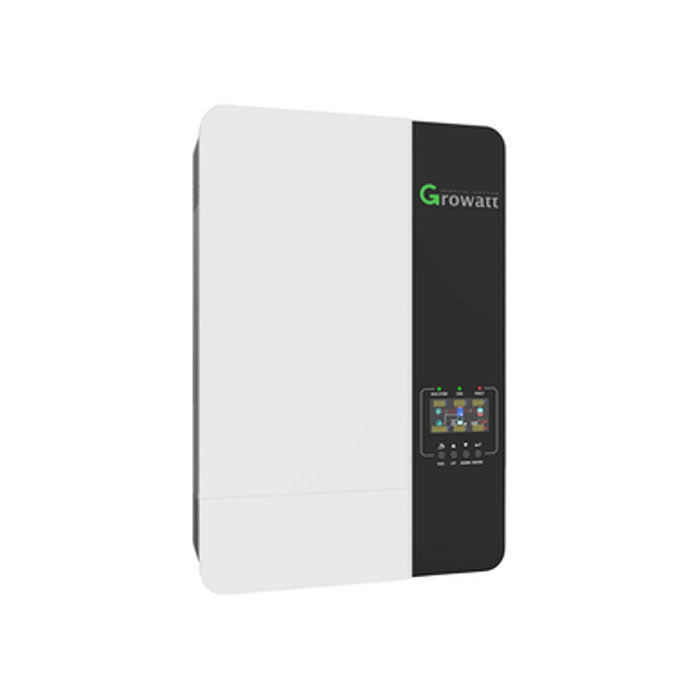
Growatt has earned a following in the DIY off-grid community for packing high-end features into a mid-range price. The SPF 5000ES delivers 5,000W continuous at 48V with integrated MPPT solar charging, and it supports parallel stacking up to six units for systems that need to grow over time.
Who it’s for: DIY builders who want hybrid inverter features and expandability at a price point well below Victron or Sol-Ark.
Pros:
– 100A MPPT charge controller built in handles up to 5,000W of solar input — no separate charge controller needed
– Programmable priority modes let you choose solar-first, battery-first, or grid/generator-first power sourcing
– Supports parallel connection of up to six units for a 30kW system without an external hub
Cons:
– Growatt’s customer support in North America gets mixed reviews; community forums are often more helpful than official channels
– The built-in Wi-Fi monitoring dongle is functional but the app interface feels dated compared to Victron VRM
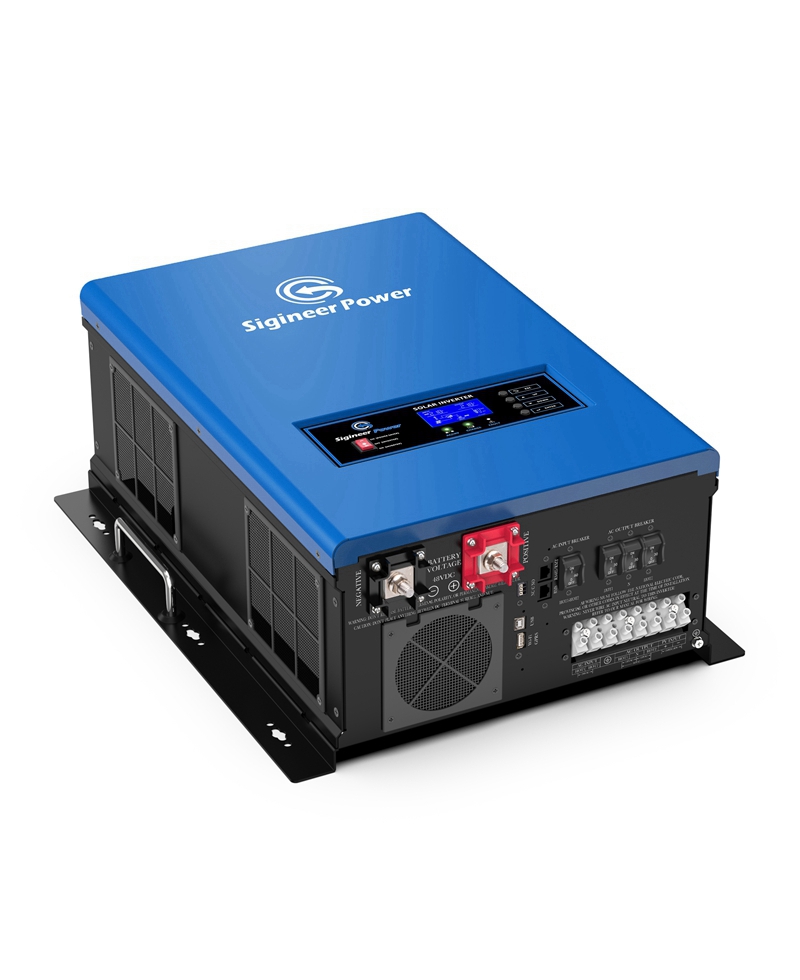
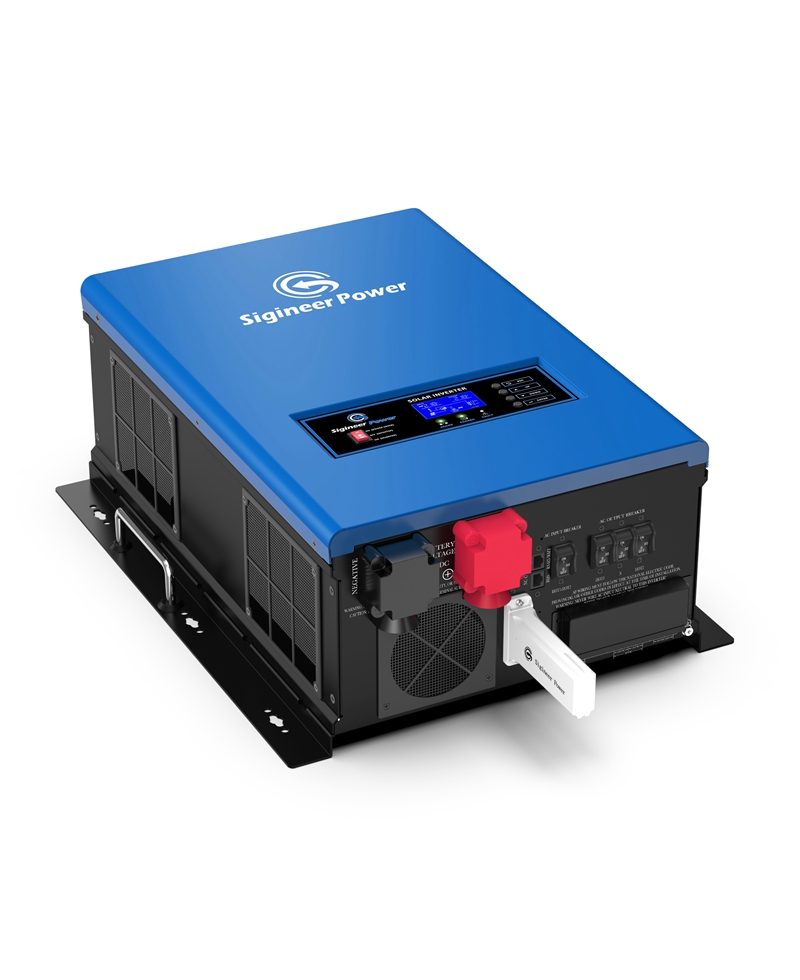
Sigineer Power 6000W 48V Split Phase Inverter Charger
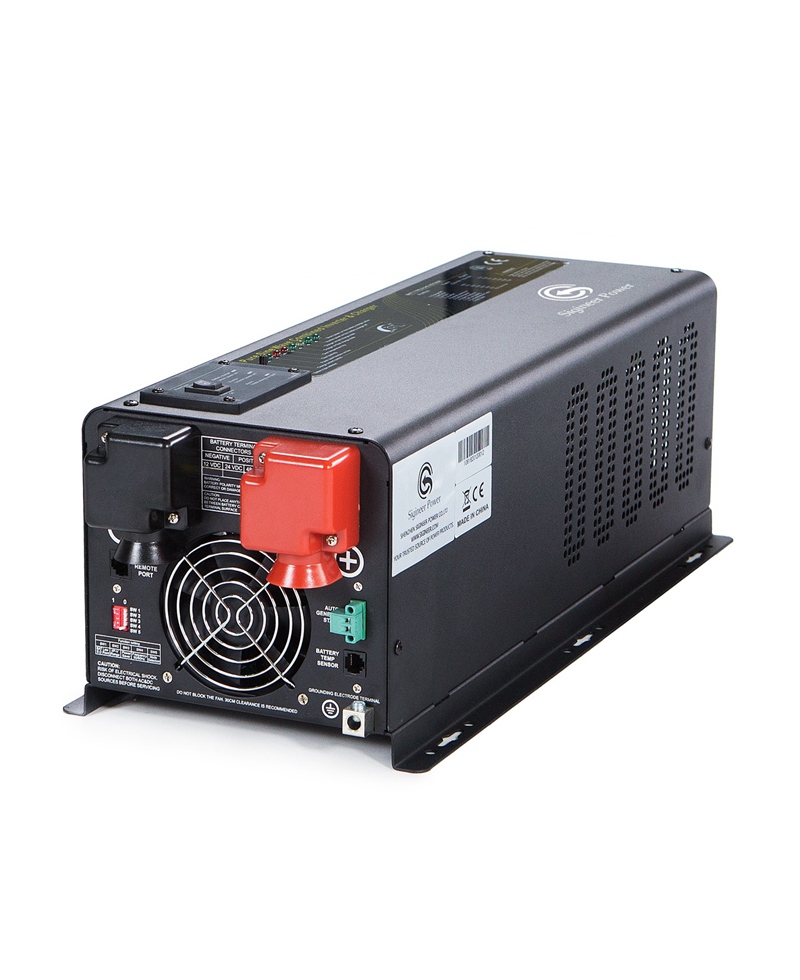
Sigineer occupies a niche that’s hard to fill: split-phase 120/240V output at a price that undercuts the big names by 30–40%. The 6000W continuous output with an 18,000W surge handles demanding loads like well pumps and central air startup surges without flinching.
Who it’s for: Off-gridders who need 240V for well pumps, shop tools, or HVAC but can’t justify Sol-Ark pricing.
Pros:
– True split-phase 120/240V output eliminates the need for an autotransformer — saving $400–$800 on the overall build
– 18,000W peak surge rating is among the highest in this price range, handling motor startup loads reliably
– Supports both lithium and lead-acid battery chemistries with adjustable charge profiles
Cons:
– Ships from a smaller manufacturer with limited dealer/installer network — you’re largely on your own for installation support
– Documentation quality is inconsistent; rely on YouTube install guides from the off-grid community for the clearest instructions


EG4 6000XP
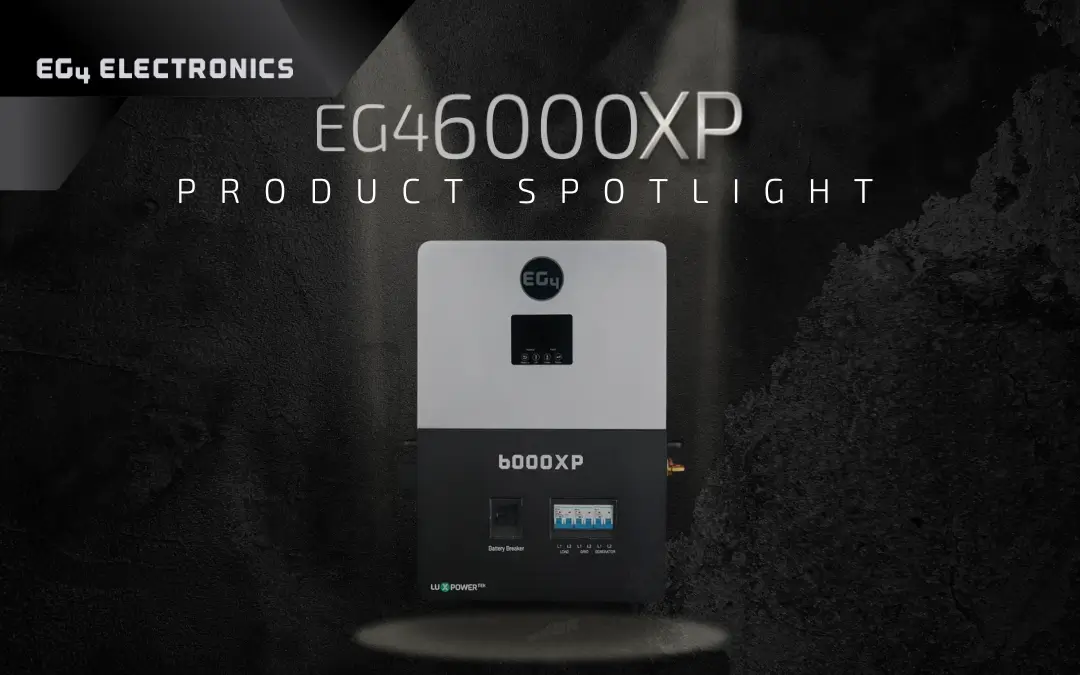
EG4 has rapidly become a favorite among budget-conscious off-grid builders, and the 6000XP shows why. It packs 6,000W continuous output, dual MPPT inputs, a 120/240V split-phase output, and a built-in transfer switch into a single unit priced well under $2,000.
Who it’s for: Value-driven DIY installers who want an all-in-one solution and don’t mind a newer brand with a growing (but still maturing) support ecosystem.
Pros:
– Dual MPPT solar inputs handle up to 8,000W of PV — enough for most residential off-grid arrays
– Built-in transfer switch and generator input simplify system wiring and reduce component count
– Active community on the Signature Solar forums where firmware updates, configuration tips, and real install data are shared freely
Cons:
– EG4 is still a relatively young brand; long-term reliability data beyond 3–4 years is limited
– Firmware updates have historically required manual USB flashing, though OTA updates are improving
How We Chose These Inverters
We started with every inverter that consistently appears in off-grid installer recommendations, homesteading forums, and verified buyer reviews across major retailers. From there, we filtered by pure sine wave output only — modified sine wave inverters cause too many problems with modern electronics to recommend. We cross-referenced manufacturer specs against real-world reports for surge handling, idle power consumption, thermal management, and build quality. Finally, we weighted heavily for ecosystem maturity — monitoring capability, firmware support, and whether the manufacturer or community provides real troubleshooting resources when something goes sideways.
Buying Guide: What to Look for in an Off-Grid Inverter

Continuous Watts vs. Surge Watts
The continuous wattage rating tells you what the inverter handles all day long. The surge (or peak) rating tells you what it can deliver for a few seconds during motor startups. If you’re running a well pump, your inverter needs to handle 3–5x the pump’s running watts for that initial startup surge. Undersizing here is the number-one reason off-grid inverters trip or fail — always size for your largest surge load, not your average daily consumption.
System Voltage: 12V, 24V, or 48V
Small systems (under 2,000W) can run on 12V. Anything above that should be 24V or 48V. Higher voltage means lower amperage for the same power output, which means thinner (cheaper) cables and less heat loss. For whole-home off-grid systems, 48V is the standard — it’s what most lithium battery manufacturers and serious inverters are designed around. Choosing the wrong system voltage is expensive to fix later, so get this right from the start.
Built-In Charger and Transfer Switch

An inverter-charger with a built-in transfer switch simplifies your system significantly. When your generator kicks on (or if you have occasional grid access), the inverter automatically switches to pass-through power and charges your batteries simultaneously. Without this, you need a separate charger, a separate transfer switch, and more wiring — more components mean more potential failure points.
Monitoring and Ecosystem
The best inverters for off-grid systems give you real-time data on power production, consumption, battery state of charge, and fault history. Victron’s VRM, Sol-Ark’s cloud portal, and even EG4’s growing monitoring platform make it possible to diagnose problems without being physically present. If you’re building a system in a remote location, remote monitoring isn’t a luxury — it’s a necessity.
Frequently Asked Questions
What size inverter do I need for an off-grid cabin?
For a basic off-grid cabin running lights, a fridge, phone charging, and a laptop, a 2,000–3,000W inverter handles the load comfortably. If you’re adding a well pump or power tools, step up to 5,000–6,000W. Always calculate your peak simultaneous load and your largest motor startup surge before choosing a size.
What is the difference between a pure sine wave and modified sine wave inverter?
A pure sine wave inverter produces clean AC power identical to what comes from the utility grid. Modified sine wave inverters produce a stepped approximation that can cause buzzing in audio equipment, overheating in motors, and glitches in sensitive electronics. For off-grid living, pure sine wave is the only type we recommend.
Can I run my air conditioner on an off-grid inverter?
Yes, but you need to size correctly. A typical 5,000 BTU window unit draws about 500W running but surges to 1,500W or more on startup. A 15,000 BTU mini-split might draw 1,200W running with a 3,600W startup surge. Your inverter’s surge rating needs to exceed these peaks, and your battery bank needs enough capacity to sustain the load.
How long will a battery bank last with an off-grid inverter?
That depends entirely on your battery capacity and load. A 10kWh lithium battery bank powering a 500W average load will run for roughly 20 hours at 100% depth of discharge — though most lithium systems recommend staying above 10–20% state of charge. Calculate your average daily consumption in watt-hours and size your battery bank for 1.5–2 days of autonomy as a baseline.
Do I need a separate charge controller if my inverter has one built in?
If your inverter has a built-in MPPT charge controller with enough input capacity for your solar array, no — that’s one of the main advantages of hybrid inverters like the Sol-Ark 15K or Growatt SPF 5000ES. However, if your solar array exceeds the inverter’s input rating, or if you want redundancy, adding a separate charge controller on its own input is a smart move.
Our Final Verdict
For most off-grid builders, the Victron MultiPlus-II 3000VA remains our top recommendation — the build quality, monitoring ecosystem, and expandability make it the safest long-term investment. If you’re powering a full household and want everything in one box, the Sol-Ark 15K is the most capable all-in-one we’ve found. And if budget is the driving factor, the AIMS Power 3000W Inverter delivers honest, reliable pure sine wave power at a price that won’t derail the rest of your build.