55 Gallons Water Last Family 4: 13-14 Days
A 55-gallon drum of stored water will last a family of four approximately 13 to 14 days at the bare minimum survival rate of one gallon per person per day. That one-gallon figure — recommended by FEMA and the Red Cross — covers drinking and basic sanitation only. If you account for cooking, hygiene, and dish washing at a more realistic two gallons per person per day, that same barrel drops to roughly seven days. Planning around the conservative estimate is the smart move.
Breaking Down the Math: Daily Water Needs for a Family of Four

The one-gallon-per-person-per-day guideline is an emergency baseline, not a comfort standard. Here’s how the numbers actually shake out depending on usage level:
| Usage Level | Per Person/Day | Family of 4/Day | 55-Gallon Duration |
|---|---|---|---|
| Survival minimum (drinking only) | 0.5 gal | 2 gal | 27 days |
| FEMA emergency baseline | 1 gal | 4 gal | 13–14 days |
| Moderate (drinking + cooking + basic hygiene) | 2 gal | 8 gal | 6–7 days |
| Comfortable off-grid use | 3 gal | 12 gal | 4–5 days |
That FEMA baseline assumes a temperate climate, minimal physical activity, and adults in reasonable health. In hot weather, hard labor, illness, or if you have nursing mothers or young children, water demand climbs fast — sometimes to 1.5 or even 2 gallons per person just for hydration.
The real takeaway: a single 55-gallon barrel is a solid short-term buffer, but it’s not a long-term water plan. Most experienced off-gridders we’ve seen in community forums treat a 55-gallon drum as one layer in a broader system — rainwater catchment, a well, or a gravity-fed spring handles the ongoing supply, and the stored barrel is there for dry spells or equipment failure.
A few practical notes that affect your timeline:
- Children under five need less water by volume but are more vulnerable to dehydration, so you shouldn’t reduce their allocation.
- Pets add to the total. A medium-sized dog needs about a half-gallon per day.
- Cooking from dry goods (rice, beans, oats) is water-intensive. A pound of dry rice absorbs roughly two cups of water. If your emergency food plan leans heavily on dehydrated or freeze-dried meals, budget an extra half-gallon per day for the household.
- Hot climates and high altitude can increase individual water needs by 50% or more according to the U.S. Army Public Health Center guidelines.
We recommend planning for two gallons per person per day as your working number. That gives your 55-gallon barrel about a week of real-world runway for a family of four.
How Should You Store 55 Gallons of Water Long-Term?
Use a food-grade, BPA-free HDPE barrel with a bung cap. Blue 55-gallon drums made from high-density polyethylene are the standard — the blue color blocks light and inhibits algae growth. Never use barrels that previously held chemicals, even if they’ve been “cleaned.”
Before filling, sanitize the barrel with a solution of one teaspoon of unscented liquid chlorine bleach per quart of water, swish it around, and rinse. Fill with municipal tap water (already chlorinated) and add 1/4 teaspoon of unscented bleach per barrel as an extra safeguard. Sealed properly, this water stays safe for 6 to 12 months before you should rotate it.
Store barrels off bare concrete — use a wooden pallet or plastic barrier — in a cool, dark location. Temperature swings and UV light degrade both the barrel and water quality over time.
A 55-gallon water storage drum with accessories typically runs $60 to $120 depending on whether it includes a pump and bung wrench.
How Much Water Does a Family of Four Actually Use Per Day?
Off-Grid Insider
Get off-grid guides & gear picks in your inbox — free
The average American household of four uses about 300 gallons per day across showers, laundry, toilets, and landscaping. That number is wildly irrelevant in an off-grid or emergency context — it’s the grid-connected baseline.
In a conservation-focused off-grid scenario, most families report getting by on 15 to 30 gallons per day total using low-flow fixtures, sponge baths instead of showers, and greywater reuse. In a true emergency where you’re rationing stored water, 8 to 12 gallons per day is the realistic target.
The gap between “normal” and “rationed” is enormous, which is why water discipline is a skill worth practicing before you actually need it.
Is One 55-Gallon Barrel Enough for Emergency Preparedness?
Not for most scenarios beyond a short-term disruption. FEMA recommends a minimum three-day supply, so a single 55-gallon barrel exceeds that by a wide margin. But for off-grid living or extended emergency planning, we’d recommend at least two to four barrels for a family of four — that covers two to four weeks at moderate usage.
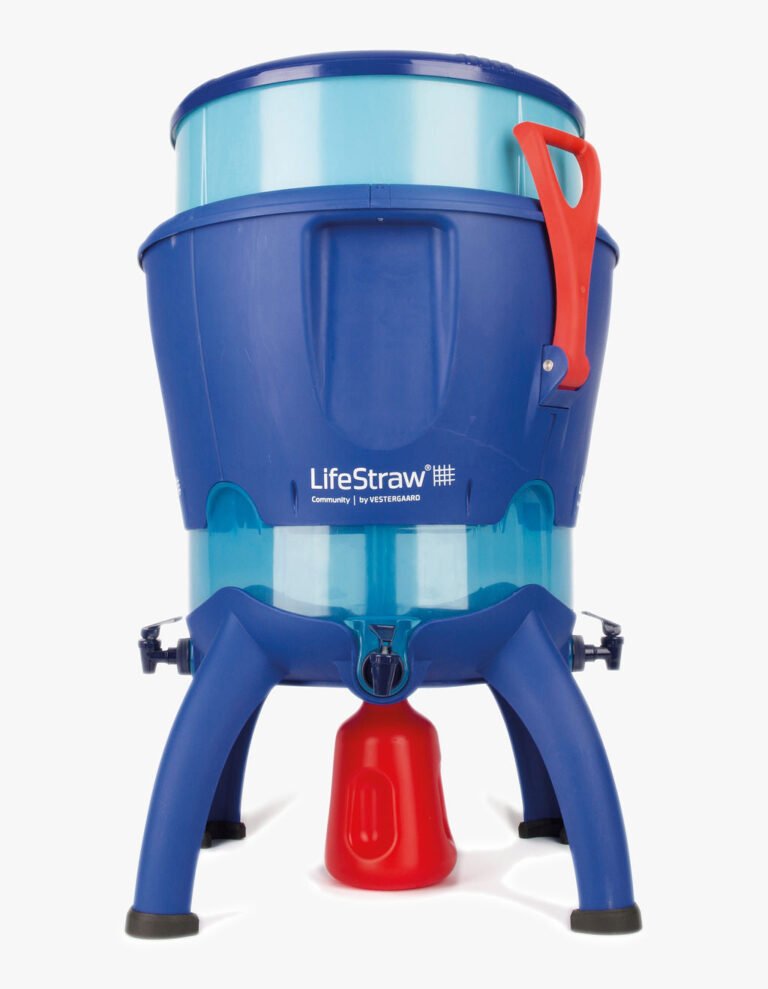
If space or budget is tight, pair one 55-gallon drum with a quality gravity-fed water filter like a Berkey or ProOne system. This lets you supplement stored water with filtered water from natural sources if your barrel runs low.
What’s the Best Way to Get Water Out of a 55-Gallon Drum?
A full 55-gallon barrel weighs roughly 460 pounds — you’re not tipping it. You have three main options:
- Siphon pump — cheapest option, around $8 to $15. Manual operation, slow but reliable with no moving parts to break. A hand siphon pump for water barrels is the most common choice.
- Hand-crank barrel pump — threads into the bung opening and lets you pump water into jugs. Faster than a siphon.
- Spigot with stand — if your barrel is elevated on a sturdy platform, a simple spigot attachment gives you gravity-fed access. The barrel needs to be at least two feet off the ground for decent flow.
Most off-grid setups we’ve researched use the spigot method for daily access and keep a siphon as backup.
Should You Treat Stored Water Before Drinking It?
If you stored clean municipal water with proper bleach treatment in a sanitized food-grade container, it’s generally safe to drink for up to 12 months. After that, the chlorine dissipates and microbial growth becomes possible.
When in doubt — or if you’re past the rotation date — run stored water through a filter rated for at least 0.2 microns or bring it to a rolling boil for one minute (three minutes above 6,500 feet elevation). A portable water filter for emergency use is cheap insurance and should be part of any water storage setup.
Water that smells off, looks cloudy, or has visible growth should be filtered and boiled, or discarded if you have alternatives.
How Does 55-Gallon Storage Compare to Other Options?
Here’s a quick comparison of common water storage methods for a family of four:
| Method | Capacity | Duration (family of 4) | Cost | Portability |
|---|---|---|---|---|
| 55-gallon drum | 55 gal | 7–14 days | $60–$120 | None (460 lbs full) |
| Stackable 5-gallon jugs (x6) | 30 gal | 4–7 days | $50–$90 | High |
| WaterBOB bathtub bladder | 100 gal | 12–25 days | $30–$40 | None |
| 275-gallon IBC tote | 275 gal | 34–69 days | $100–$200 | Forklift only |
| Cistern (500+ gal) | 500+ gal | 2+ months | $300+ | Permanent |
For most families, a combination approach works best. A 55-gallon drum for stable long-term storage, a few stackable water containers for grab-and-go portability, and a filtration system to extend your supply from natural sources.
Can You Extend How Long 55 Gallons Lasts?
Absolutely. A few water discipline habits make a significant difference:
- Reuse cooking water — pasta water, steaming water, and blanching water can be cooled and used for dish washing or watering plants.
- Sponge baths over showers — a full sponge bath uses about one gallon. A “Navy shower” uses three to five.
- Greywater systems — route sink and bath water to garden irrigation. This doesn’t extend your drinking supply but reduces total draw.
- Catch rainwater — even a basic tarp-and-bucket setup adds supplemental water. A proper rainwater collection system off your roof can capture hundreds of gallons per storm.
With aggressive conservation, some families stretch 55 gallons to three weeks or more — but that requires real discipline and planning, not just good intentions.
A 55-gallon barrel gives a family of four roughly one to two weeks of water depending on usage and climate. It’s a solid foundation for emergency preparedness, but for off-grid living, treat it as one piece of a layered water system — not the whole plan. Start with one barrel, add a good filter, and build from there.