State Solar Tax Credits After Federal Expiration (2026)
Solar Tax Credits and Incentives by State (2026): What’s Left After the Federal Credit Expired
The federal 30% solar tax credit — formally called the Residential Clean Energy Credit under Section 25D of the tax code — expired on December 31, 2025. If you installed a solar system in 2025, you can still claim it on your 2025 return. If you’re installing in 2026, the federal credit is gone.
That’s a major shift. For years, the ITC was the single biggest financial driver of residential solar adoption. Its expiration doesn’t mean solar is no longer worth it — but it does mean the math has changed, and state-level incentives are now the primary source of financial relief.
This guide covers what’s actually available in 2026: state income tax credits, sales tax exemptions, property tax breaks, and notable utility rebate programs — with a specific section on which provisions apply to off-grid systems, not just grid-tied rooftop solar.
The Federal Credit Is Gone — Here’s What That Means
Section 25D provided a 30% credit on the total cost of a residential solar installation (panels, inverters, battery storage with minimum 3 kWh capacity, wiring, labor, and site prep). No income cap. No dollar cap. Carry-forward allowed.
It expired December 31, 2025 as part of the One Big Beautiful Bill (Public Law 119-21).
What still exists at the federal level:
- Section 48E (Commercial ITC): 30% credit for third-party-owned systems (leases, PPAs) placed in service through 2030; construction must begin by July 4, 2026. Not applicable if you own the system outright.
- Section 25C: Limited to non-solar efficiency upgrades (heat pumps, insulation, etc.). Not applicable to solar panels or battery storage.
For off-grid homeowners specifically: Section 25D language required systems be “installed in connection with a dwelling unit…used as a residence by the taxpayer.” Off-grid standalone systems had historically been in a gray zone — and that question is now moot, since the credit no longer exists.
The action is at the state level. Here’s what each state offers.
States With Solar Tax Credits (2026)
Only a handful of states offer an actual income tax credit — meaning a dollar-for-dollar reduction in state tax owed, not just a deduction.
Hawaii — 35% up to $5,000
Off-Grid Insider
Get off-grid guides & gear picks in your inbox — free
The strongest remaining solar tax credit in the country. Hawaii’s Renewable Energy Technologies Income Tax Credit (RETITC) under HRS §235-12.5 allows 35% of system cost, capped at $5,000 per system. No sunset date as of 2026.
- Applies to solar panels, water heaters, and battery storage
- Available for off-grid systems — the statute covers “solar energy systems” broadly
- Carry-forward allowed
- Official source: Hawaii Department of Taxation | HRS §235-12.5
New York — 25% up to $5,000
New York’s residential solar tax credit under Form IT-255 provides 25% of installation cost, capped at $5,000. Carry-forward allowed for up to 5 years.
- Available for off-grid systems under NY Sun program
- Sales tax also exempt
- Official source: NYSERDA NY Sun | Form IT-255 instructions
Massachusetts — 15% up to $1,000
Massachusetts allows a 15% credit on solar installations via Schedule SC on the state income tax return (Form 1). Capped at $1,000 — modest, but combines with a strong SMART 3.0 performance incentive.
- SMART 3.0 pays approximately $0.03/kWh for 10 years on top of the tax credit
- Official source: Massachusetts Clean Energy Center | MGL c. 59, §5, cl. 45
New Mexico — 10% up to $6,000
The Solar Market Development Tax Credit (SMDTC) provides 10% of installation cost, up to $6,000 per taxpayer per year. New Mexico has been expanding its clean energy incentives.
- Official source: NM Energy, Minerals and Natural Resources Dept.
Arizona — 25% up to $1,000
Arizona offers a 25% state tax credit, capped at $1,000. Check current status with the Arizona Department of Revenue as legislative changes have occurred.
- Sales tax 100% exempt on solar equipment
- Property tax: permanent exemption
- Official source: Arizona Department of Revenue | Arizona Solar Center
South Carolina — 25%, No Cap
South Carolina’s credit has historically had no dollar cap — verify current status with the SCDOR as it has been subject to legislative revision.
Sales Tax Exemptions — By State
Many states exempt solar equipment from sales tax even when they offer no income tax credit. On a $15,000 system, a 6-8% sales tax exemption saves $900–$1,200.
| State | Sales Tax Exemption |
|---|---|
| Arizona | ✅ 100% exempt |
| California | ✅ Exempt |
| Colorado | ✅ ~2.9% exemption |
| Connecticut | ✅ 100% exempt (6.35%) |
| Florida | ✅ Exempt |
| Hawaii | ✅ Exempt |
| Illinois | ✅ Exempt |
| Maine | ✅ Exempt |
| Maryland | ✅ Exempt (most cases) |
| Massachusetts | ✅ Exempt |
| Minnesota | ✅ Exempt |
| Nevada | ✅ ~4.6% exempt |
| New Jersey | ✅ 100% exempt (6.625%) |
| New Mexico | ✅ Exempt |
| New York | ✅ Exempt |
| North Carolina | ✅ Partial exemptions |
| Oregon | ✅ Exempt |
| Pennsylvania | ✅ Exempt |
| Rhode Island | ✅ Exempt |
| Texas | ✅ Exempt |
| Vermont | ✅ Exempt |
| Washington | ✅ Exempt (through 2029, systems <100 kW) |
Property Tax Exemptions — By State
When solar adds $15,000–$30,000 in home value, property tax exemptions prevent that value from raising your annual tax bill. Most states with exemptions apply them automatically or via a one-time filing.
States with full permanent property tax exemptions:
Arizona, Colorado, Florida (permanent), Hawaii (varies by county), Illinois, Maine, Maryland (statewide automatic), Massachusetts (20-year exemption), Minnesota, Nevada, New Jersey (permanent), New Mexico, New York (varies by municipality), North Carolina (100%, automatic), Oregon (grid-connected systems; through 2029), Pennsylvania, Rhode Island, Texas (100%, filed via Form 50-123 with county appraisal district by April 30), Vermont, Washington (partial)
Connecticut: Permanent automatic exemption — file by November 1, no annual reapplication required.
California: Property tax exemption on solar applies to systems installed before January 1, 2027 (sunset date). Extended through the California legislature; confirm current status before 2027.
States without statewide property tax exemptions: Alabama, Georgia (varies by county), Indiana, Iowa, Kansas, Mississippi, Missouri, South Dakota, Wyoming, and others — check county-level rules.
Performance-Based & Utility Incentives Worth Knowing
SREC Markets (Solar Renewable Energy Credits)
In some states, you earn one SREC for every megawatt-hour your system produces. These trade on open markets for real money.
Active SREC markets in 2026: Delaware, DC, Illinois (Illinois Shines — 15-year contracts), Maryland, Massachusetts (SMART 3.0), New Jersey (SuSI/ADI program — $85.90/MWh for 15 years), Ohio, Pennsylvania, Virginia
New Jersey’s SuSI program is one of the most valuable in the country — a 7 kW system generating ~8 MWh/year earns roughly $687/year for 15 years on top of all other incentives.
Notable Utility Rebates
- Duke Energy (NC/SC): ~$0.36/W for systems up to 10 kW; battery rebates ~$400/kWh
- Xcel Energy (MN): Solar*Rewards program — 10-year production incentive payments
- Energy Trust of Oregon: $2,500 flat incentive per system (2026, eligible territories)
- Green Mountain Power (VT): Bring-your-own-device battery program up to $10,500
- Rhode Island REF: $0.65/W, capped at $5,000
California SGIP (Battery Specific)
California’s Self-Generation Incentive Program provides up to $1,100/kWh for income-qualified customers. The RSSE program (Residential Solar and Storage Equity) includes standalone battery systems. For off-grid homeowners in California, these battery programs are often the most accessible remaining incentive.
Off-Grid Systems: Which State Incentives Apply?

Most state programs are written with grid-tied net metering in mind. Here’s what off-grid homeowners can actually access:
States that explicitly include off-grid systems:
– Hawaii — RETITC covers any solar energy system; no grid connection required
– New York — NY Sun program includes off-grid solar
– California — SGIP and RSSE battery programs available for standalone systems
– Connecticut — Battery storage programs available for off-grid configurations
– Minnesota — Off-grid battery storage eligible under income-qualified pilot ($1,000/kWh up to $15,000)
What almost all states allow regardless of grid connection:
– Sales tax exemptions (the exemption is on the equipment, not the grid connection)
– Property tax exemptions (added home value is exempt whether grid-tied or not)
– State income tax credits (where they exist, language is typically about the system, not grid connection)
Net metering: Irrelevant for true off-grid systems. You don’t export power, so net metering policies don’t apply.
The practical rule: If your state has an income tax credit or a sales/property tax exemption, it almost certainly applies to your off-grid system. The gray areas are performance-based programs (SREC markets, utility production incentives) — those require a grid connection and a meter.
State-by-State Quick Reference
| State | Tax Credit | Sales Tax Exempt | Property Tax Exempt | Notable Programs |
|---|---|---|---|---|
| Alabama | None | No | No | — |
| Alaska | None | No state sales tax | Varies | — |
| Arizona | 25% up to $1,000 | ✅ | ✅ | — |
| Arkansas | None | No | No | — |
| California | None | ✅ | ✅ (pre-2027) | SGIP battery rebates |
| Colorado | None | ✅ | ✅ | Strong net metering |
| Connecticut | None | ✅ | ✅ | Battery storage up to $16,000 |
| Delaware | None | No | No | Active SREC market |
| Florida | None | ✅ | ✅ | Full retail net metering (IOUs) |
| Georgia | None | No | Varies | — |
| Hawaii | 35% up to $5,000 | ✅ | Varies | Strongest credit remaining |
| Idaho | None | No | No | — |
| Illinois | None | ✅ | ✅ | Illinois Shines SREC (15-yr) |
| Indiana | None | No | No | — |
| Iowa | None | No | No | — |
| Kansas | None | No | No | — |
| Kentucky | None | No | No | — |
| Louisiana | None | No | No | — |
| Maine | None | ✅ | ✅ | — |
| Maryland | None | ✅ | ✅ | SREC market; county bonuses up to $5,000 |
| Massachusetts | 15% up to $1,000 | ✅ | ✅ (20-yr) | SMART 3.0 production incentive |
| Michigan | None | No | No | — |
| Minnesota | None | ✅ | ✅ | Xcel Solar*Rewards; battery pilot |
| Mississippi | None | No | No | — |
| Missouri | None | No | No | — |
| Montana | None | No | ✅ | — |
| Nebraska | None | No | No | — |
| Nevada | None | ✅ | ✅ | — |
| New Hampshire | None | No | No | — |
| New Jersey | None | ✅ | ✅ | SuSI SREC-II ($85.90/MWh, 15-yr) |
| New Mexico | 10% up to $6,000 | ✅ | ✅ | — |
| New York | 25% up to $5,000 | ✅ | Varies | NY Sun program |
| North Carolina | None | ✅ (partial) | ✅ | Duke Energy rebates |
| North Dakota | None | No | No | — |
| Ohio | None | ✅ | Varies | Active SREC market |
| Oklahoma | None | No | No | — |
| Oregon | None | ✅ | ✅ | Energy Trust $2,500 rebate |
| Pennsylvania | None | ✅ | ✅ | SREC market |
| Rhode Island | None | ✅ | ✅ | REF $0.65/W up to $5,000 |
| South Carolina | 25% (verify cap) | No | Varies | — |
| South Dakota | None | No | No | — |
| Tennessee | None | No | No | — |
| Texas | None | ✅ | ✅ (100%) | File Form 50-123 with county |
| Utah | None | No | No | — |
| Vermont | None | ✅ | ✅ | GMP battery program up to $10,500 |
| Virginia | None | No | ✅ (varies) | SREC market |
| Washington | None | ✅ (through 2029) | Partial | — |
| West Virginia | None | No | No | — |
| Wisconsin | None | No | ✅ | — |
| Wyoming | None | No | No | — |
What This Means for Off-Grid Solar Buyers in 2026
The expiration of the federal ITC changes the calculation but doesn’t make off-grid solar uneconomic. Here’s the honest picture:
The ITC added $4,500–$9,000 back on a $15,000–$30,000 system. That’s gone for 2026 installations. The payback period gets longer without it.
What partially offsets the loss:
1. Solar panel prices have continued to fall — a comparable system costs less today than it did in 2022
2. State incentives (sales tax + property tax exemptions) are still worth $1,000–$3,000 depending on your state
3. States like Hawaii, New York, and New Mexico still have meaningful income tax credits
4. Battery storage prices have dropped dramatically — off-grid LiFePO4 systems are 30-40% cheaper than in 2022
The recommendation: If you’re in Hawaii, New York, Massachusetts, or New Mexico — factor in the remaining state credit. If you’re in Texas, Florida, or any other state with only tax exemptions — the exemptions still help, but the big federal lever is gone.
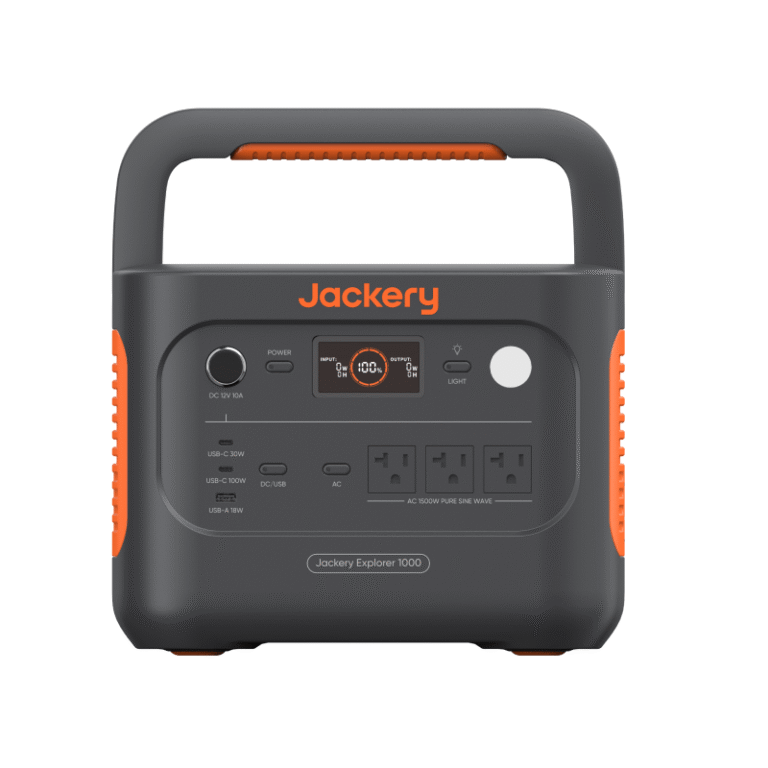
For equipment, the math still works for off-grid homesteaders who need energy independence regardless of payback period. A complete off-grid solar kit with a LiFePO4 battery bank and a pure sine wave inverter remains the core of any off-grid power system — the math on those is about energy independence, not tax optimization.
Official Sources
- DSIRE Database (Database of State Incentives for Renewables & Efficiency) — dsireusa.org — the authoritative searchable database for all state and utility programs
- IRS Form 5695 Instructions — irs.gov/forms-pubs/about-form-5695
- IRS Residential Clean Energy Credit FAQ — irs.gov/credits-deductions/residential-clean-energy-credit
- SEIA Solar Tax Exemptions — seia.org/solar-tax-exemptions
- Hawaii RETITC — HRS §235-12.5 | tax.hawaii.gov
- New York IT-255 — nyserda.ny.gov
- Massachusetts Schedule SC — mass.gov
- New Mexico SMDTC — emnrd.nm.gov
- Texas Property Tax Exemption Form 50-123 — comptroller.texas.gov
- California SGIP — cpuc.ca.gov
- New Jersey SuSI — njeda.com
- Maryland Energy Administration — energy.maryland.gov
- Connecticut DEEP — portal.ct.gov/deep
- Energy Trust of Oregon — energytrust.org