12 Best Hand Tools for Off-Grid Living 2026
Let me just write the article directly. Here it is:
Most hand tool lists read like a hardware-store catalog — fifty items, no priorities, and no sense of what actually matters when you’re miles from the nearest big-box store. Building an essential hand tool kit for homestead work means choosing fewer tools that each cover more ground, hold an edge longer, and won’t snap when you’re splitting rounds in January. We dug into manufacturer specs, steel grades, handle materials, and thousands of verified buyer reviews to find the tools that homesteaders actually keep reaching for.
Our top pick: Council Tool Velvicut Premium Boy’s Axe — the do-everything felling and processing axe.
Best budget kit starter: Fiskars X27 Super Splitting Axe — affordable, effective, zero learning curve.
Best for garden prep: Meadow Creature Broadfork — saves your back and your soil structure.
Best hand saw: Silky Katanaboy 650mm — cuts faster than most people expect from a hand saw.
Best multi-use striking tool: Estwing Sure Strike 3lb Drilling Hammer — built to last decades.
Our Picks

Council Tool Velvicut Premium 2.0 lb Boy’s Axe
This is the axe we’d grab if we could only own one. The 2.0 lb head on a 28-inch handle hits the sweet spot between a hatchet and a full-size felling axe — light enough to swing all day, heavy enough to process 8-inch rounds without a maul. Council Tool forges 5160 steel in the USA, and the Velvicut line gets a hand-finished edge that arrives sharp.
Who it’s for: Homesteaders who need one axe for limbing, kindling, and medium splitting — basically everyone.
Pros:
– 5160 American steel holds an edge through hardwoods and re-sharpens easily with a puck
– 28-inch handle gives real leverage without the fatigue of a full 36-inch felling axe
– Head-to-handle fit is tight out of the box — no wobble, no re-hanging needed
Cons:
– At $130+, it costs three to four times what a hardware-store axe runs
– The hickory handle will need oiling a few times a year in dry climates
Fiskars X27 Super Splitting Axe (36-inch)
Off-Grid Insider
Get off-grid guides & gear picks in your inbox — free

If you’re new to wood processing or just want something that works with zero fuss, the X27 is hard to argue with. The composite handle is practically indestructible, and the convex head geometry pops rounds apart without needing perfect aim. When we’re talking about quality axes for wood processing, the X27 consistently ranks among the most recommended by firewood-burning homesteaders in online communities.
Who it’s for: Beginners, budget-conscious homesteaders, and anyone who splits more than they fell.
Pros:
– Shock-absorbing composite handle eliminates the “missed strike” sting and won’t break on overstrike
– Convex blade geometry splits efficiently even with imperfect technique
– Under $45 — one of the best cost-to-performance ratios in any hand tool category
Cons:
– Not designed for felling or limbing — this is a dedicated splitter
– The composite handle can’t be replaced, so if it does eventually crack, you buy a whole new axe
Meadow Creature Broadfork
The broadfork vs spade for garden soil debate has a clear answer when you’re working beds wider than a couple of feet: the broadfork wins on speed, soil health, and back strain. The Meadow Creature version uses 7/16-inch solid steel tines welded to a heavy-duty frame, and the 14-inch tine depth aerates hardpan that a spade would just bounce off. Verified buyers in clay-heavy regions consistently report this tool cutting bed-prep time in half compared to double-digging with a spade.
Who it’s for: Anyone growing food at scale — market gardeners, permaculture homesteads, or anyone tired of rototilling.
Pros:
– 14-inch tines break through clay and compacted soil without inverting the soil layers (preserving microbiology)
– All-steel construction with a lifetime warranty — this is a buy-once tool
– Two-handle design uses your legs and body weight, dramatically reducing back fatigue versus a spade
Cons:
– At roughly $200, it’s expensive for a single-purpose garden tool
– Weighs about 21 lbs — not practical for small container gardens or raised beds
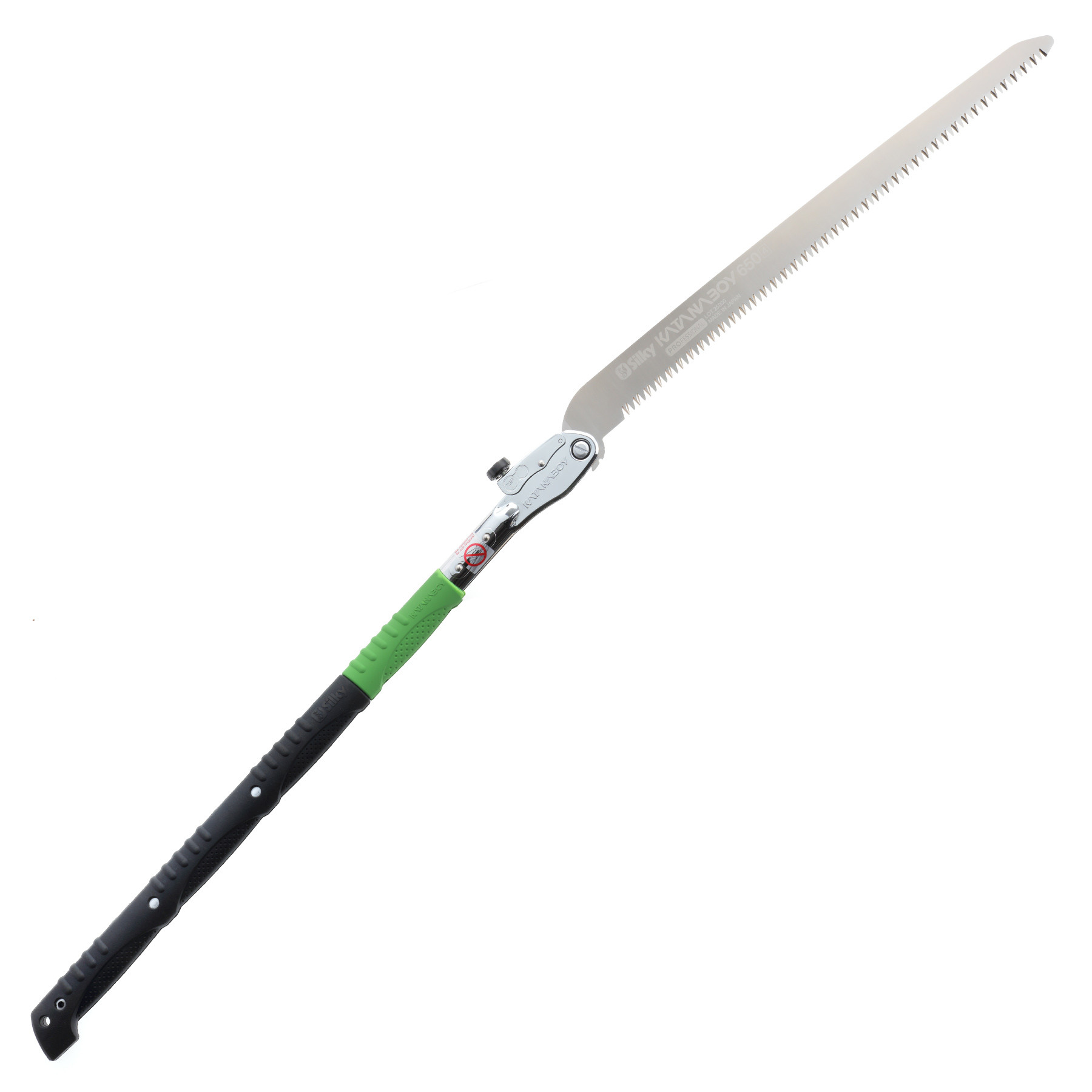
Silky Katanaboy 650mm Folding Hand Saw
When the chainsaw runs out of fuel or the job doesn’t justify pulling it out, the Katanaboy is what you reach for. The 650mm impulse-hardened blade cuts on the pull stroke (Japanese-style), and it rips through 10-inch logs faster than most people think a hand saw can. Arborists and off-grid builders have made this one of the highest-rated large hand saws on the market for good reason.
Who it’s for: Homesteaders who need to fell small trees, buck logs, or clear trails without engine noise or fuel dependency.
Pros:
– Aggressive tooth pattern cuts green and dry wood at startling speed — outperforms most bow saws
– Folds to roughly 30 inches for safe carry and storage
– Replacement blades available, so the handle is a lifetime investment
Cons:
– $150+ price tag is steep for a hand saw
– The 650mm blade is large and aggressive — overkill for pruning; consider the smaller Bigboy for lighter work
Estwing Sure Strike 3 lb Drilling Hammer

Every homestead needs a mid-weight striking tool, and the 3 lb drilling hammer covers more tasks than a claw hammer ever will — driving fence posts, striking cold chisels, tapping wedges into rounds, setting stakes. Estwing’s fiberglass handle absorbs vibration well, and the forged steel head is virtually chip-proof. This is one of those tools that costs under $25 and earns its keep within the first week.
Who it’s for: Every homesteader. This is a non-negotiable part of any essential hand tool kit for homestead work.
Pros:
– 3 lb weight is the versatility sweet spot — heavy enough for real striking, light enough for one-handed control
– Fiberglass handle won’t rot, split, or absorb moisture
– Under $25 and available everywhere — easy to replace if lost
Cons:
– Not heavy enough for serious log splitting with wedges (you’ll want a 6-8 lb sledge for that)
– The fiberglass handle doesn’t have the feel or shock absorption of a premium hickory handle
Barebones Living Hori Hori Garden Knife
The hori hori is the multi-tool of the garden. One edge is serrated for cutting roots and twine, the other is smooth for slicing, and the concave blade doubles as a trowel for transplanting. The Barebones version uses 4Cr14 stainless steel with a walnut handle, and the included leather sheath means it lives on your belt. In the broadfork vs spade for garden soil conversation, the hori hori is the third option nobody mentions — it won’t prep a full bed, but for targeted planting, weeding, and harvesting, nothing else is as fast.
Who it’s for: Gardeners and homesteaders who want one belt-carry tool for planting, weeding, harvesting, and cutting.
Pros:
– Dual-edge blade (serrated + smooth) handles roots, soil, twine, and small branches
– Concave blade shape works as a digging trowel, depth gauge (blade markings), and soil scoop
– Comes with a leather belt sheath — always within reach
Cons:
– 4Cr14 steel is corrosion-resistant but doesn’t hold an edge as long as higher-carbon alternatives
– At ~$40, it costs four times what a basic trowel does
Stanley FatMax Xtreme 55-120 FuBar Utility Bar

Demolition and salvage are constant on a homestead — tearing down old structures, pulling nails from reclaimed lumber, prying apart pallets. The FuBar combines a nail puller, pry bar, board bender, and demo tool into one forged piece of steel. It weighs under 5 lbs and replaces three or four single-purpose bars.
Who it’s for: Anyone doing demolition, salvage, or renovation work on their property.
Pros:
– Four functions in one tool — prying, pulling, bending, and striking
– One-piece forged steel construction; nothing to break or come loose
– Textured grip zone means no slipping, even with gloves
Cons:
– At roughly 4.5 lbs and 30 inches, it’s bulky for fine work
– The striking face is small — it supplements a hammer, doesn’t replace one
How We Chose
We started with the tasks that actually fill a homesteading day — processing firewood, prepping garden beds, building and repairing structures, and clearing land — then identified the single best hand tool for each job. We cross-referenced manufacturer steel grades and construction specs against verified buyer reviews on Amazon, retailer sites, and homesteading forums (Permies, Homesteading Today, and relevant subreddits). Tools that showed consistent complaints about handle failures, edge retention, or premature wear were cut. Everything here has a track record of at least several hundred positive reviews and a reputation in the off-grid community.
Buying Guide: What Actually Matters in Homestead Hand Tools
Steel Quality and Edge Retention

For cutting tools — axes, saws, knives — the steel grade determines how often you’re stopping to sharpen. High-carbon steels (1055, 5160) hold an edge longer but need rust prevention. Stainless variants (4Cr14, 440C) resist corrosion but dull faster. On a homestead where tools sit in a barn and get used in rain, the tradeoff is real. Our general recommendation: go high-carbon for axes (you’re sharpening anyway), stainless for garden knives that live on your belt.
Handle Material and Replacement

Hickory handles feel great and absorb shock, but they crack, dry out, and need periodic oiling. Fiberglass and composite handles are nearly indestructible but transmit more vibration and can’t be reshaped. The key question: can you replace the handle? Quality axes for wood processing almost always use traditional eye-fitted heads that accept new handles. If a composite handle breaks, the whole tool is trash. For a primary axe you’ll use for years, we lean toward wood handles with a replaceable head fit.
Weight and Versatility
Every tool you carry to a work site is weight on your body and space in your kit. Prioritize tools that cover multiple tasks. A 3 lb drilling hammer plus wedges replaces a dedicated splitting maul for small rounds. A hori hori replaces a trowel, a weeding knife, and pruning shears for most garden work. Building an essential hand tool kit for homestead life means ruthlessly asking: “Does this tool earn its weight?”
Ergonomics and Fatigue

Off-grid work isn’t a weekend project — it’s daily. Tools that cause hand fatigue, wrist strain, or back pain will sideline you. This is precisely why the broadfork vs spade for garden soil comparison matters: the broadfork uses legs and body weight, while the spade loads your lower back. Choose tools that let you work sustainably, not just effectively.
FAQ
What hand tools do I need to start homesteading?
Start with five core tools: a mid-weight axe or splitting tool for firewood, a hand saw for felling and bucking, a 3 lb drilling hammer for general striking, a broadfork or quality spade for garden prep, and a hori hori or sturdy garden knife. That kit covers wood processing, building, and food production — the three pillars of homestead work.
Is a broadfork better than a spade for breaking new ground?
For beds wider than about two feet, yes. A broadfork aerates soil to 12-14 inches deep without inverting the layers, which preserves beneficial soil biology. A spade is better for edging, transplanting, and digging narrow holes. Most serious food-growing homesteads end up owning both, but if we had to pick one for initial bed prep, the broadfork wins.
How much should I spend on a homestead axe?
Expect to spend $40-$60 for a solid entry-level axe (like the Fiskars X27) and $100-$180 for a premium forged axe (like the Council Tool Velvicut). The premium axes hold edges longer, feel better in hand, and accept replacement handles — they’re worth it if wood processing is a daily task. If you split a few rounds on weekends, the Fiskars is more than enough.
Can hand tools really replace power tools on a homestead?
For many tasks, yes. A quality hand saw like the Silky Katanaboy can fell trees up to about 12 inches in diameter and buck logs efficiently. A broadfork replaces a rototiller for bed prep. Axes and wedges handle firewood processing without a log splitter. Where hand tools fall short is milling lumber and processing large volumes of firewood — those jobs benefit from chainsaws and hydraulic splitters.
How do I maintain hand tools off-grid without a workshop?
Keep it simple: a mill bastard file and a puck stone handle axe and knife sharpening. A can of boiled linseed oil protects wood handles. WD-40 or camellia oil prevents rust on steel heads and blades. Store tools under cover, off the ground. That routine takes five minutes per tool and adds years to their lifespan.
The Bottom Line
If we’re building a hand tool kit from scratch for an off-grid homestead, the Council Tool Velvicut Premium Boy’s Axe is the first thing in the cart — it handles more wood-processing tasks than any other single tool at this weight. Pair it with a Meadow Creature Broadfork for garden prep and a Silky Katanaboy for sawing, and you’ve covered 80% of daily homestead work without a single engine to maintain.