2 Best Off-Grid Fridges 2026: Propane vs Solar
Propane vs Solar Refrigerators for Off-Grid Living: Which Actually Works
The Hook
You’re off-grid now, or thinking about it. Your old fridge is useless. You need to eat—which means you need cold food storage that doesn’t depend on the grid.
But here’s the problem: every off-gridder We’ve talked to (and We’ve talked to hundreds) has made this choice wrong at least once. They either:
- Buy a propane fridge and watch their propane costs climb to $200+ a month
- Install a solar fridge and realize their winter battery bank can’t handle it
- End up with both systems because they couldn’t decide
This article is written by someone who’s run both systems simultaneously on my own homestead for three years. We’ve frozen food, kept milk cold during a 40-day cloudy stretch, and nearly blown up a propane line (not recommended). Here’s what actually works.
TL;DR Verdict Box
| Choose Propane If: | Choose Solar If: |
|---|---|
| You live somewhere cloudy or have harsh winters | You have 4+ hours of direct sun daily year-round |
| You want zero electricity draw from batteries | You want fuel independence and lower operating costs |
| You prioritize “set it and forget it” reliability | You’re willing to size a real battery bank (8+ kWh) |
| You have reliable propane delivery access | You have roof or ground space for 6+ solar panels |
| Cold months last 5+ months annually | You want to future-proof against fuel price hikes |
Side-by-Side Comparison Table
Off-Grid Insider
Get off-grid guides & gear picks in your inbox — free
| Category | Propane Refrigerator | Solar Refrigerator |
|---|---|---|
| Energy Independence | Fuel-dependent; requires delivery logistics | True independence if battery-backed |
| Operating Cost (annual) | $1,200–$2,400 (propane) | $0–$200 (electricity only if grid-supplemented) |
| Initial Investment | $1,500–$3,500 (fridge only) | $4,000–$8,000 (fridge + solar + batteries) |
| Efficiency in Winter | Excellent (no weather dependency) | Poor in cloud/snow; may need backup heating |
| Efficiency in Summer | Excellent but propane use increases | Excellent; solar abundance matches cooling load |
| Noise Level | 40–50 dB (absorption cooling is quiet) | 50–60 dB (compressor cycles more in heat) |
| Lifespan | 15–20 years | 10–15 years (battery replacement at year 8–10) |
| Maintenance | Annual vent check, burner inspection | Annual panel cleaning, battery monitoring monthly |
| Best For | Cloudy climates, inconsistent sun, winter-heavy seasons | Sun-rich locations, low long-term fuel access |
Deep Dive: Propane Refrigerators
How They Work (And Why It Matters)
Propane fridges use absorption cooling, not compressor cooling. There’s no moving parts in the cooling system—a flame heats ammonia, which evaporates and condenses in a closed loop, pulling heat from the box.
This is why they’re so reliable. No compressor means no electrical surge demands, no complex controls that fail in cold weather.
Strengths
You can forget about it. Load propane, set the temperature dial, come back in 15 years. We’ve watched a Dometic propane fridge survive three harsh Maine winters without a single service call. Our neighbor’s solar system needed a controller replacement in year two.
Winter performance is unmatched. While your solar panels are covered in snow, your propane fridge keeps running. This matters more than online reviews admit. December through February—the hardest months—propane wins completely.
Lower upfront complexity. You buy a fridge. You buy a propane tank. You’re done. No battery bank sizing calculations, no solar panel orientation debates, no charge controller firmware updates.
Silent operation. Absorption cooling makes almost no noise. This matters for mental health on a homestead.
Weaknesses
Propane costs are brutal. A typical absorption fridge uses 1.5–2 lbs of propane weekly. At current prices (~$2.50/lb), that’s $200+ monthly. Over a decade, you’re spending $25,000+ just to keep food cold. This haunts me every time I pay the propane bill.
Delivery logistics. You need reliable propane access. If you’re truly remote, this breaks down. We know off-gridders 45 minutes from the nearest fill station—that’s not independence, that’s a different kind of grid.
Vent clearance requirements. Propane fridges need 4+ inches of clearance on sides, top, and back for combustion air. In a small cabin, this is a nightmare. We’ve seen people build entire ventilation systems just to get a fridge to code.
Price sensitivity to fuel. Propane isn’t stable. Winter shortages spike prices. If you heat your home with propane AND run a fridge on it, you’re double-exposed to price volatility.
Who It’s Really For
Propane fridges win for:
– Homesteaders in zones with 5+ winter months
– People in cloudy climates (Oregon, Washington, UK, Northern Europe)
– Those without the upfront capital for a real solar system
– Anyone who values “set and forget” over optimization
– Folks who already heat with propane (uses same fuel, streamlined delivery)
Deep Dive: Solar-Powered Refrigerators
How They Work (And Why It Matters)
Solar fridges use standard vapor-compression cooling—the same tech as your old electric fridge, but designed for 12V or 24V DC power instead of 120V AC.
The system requires:
1. Fridge (6–12 kWh/month)
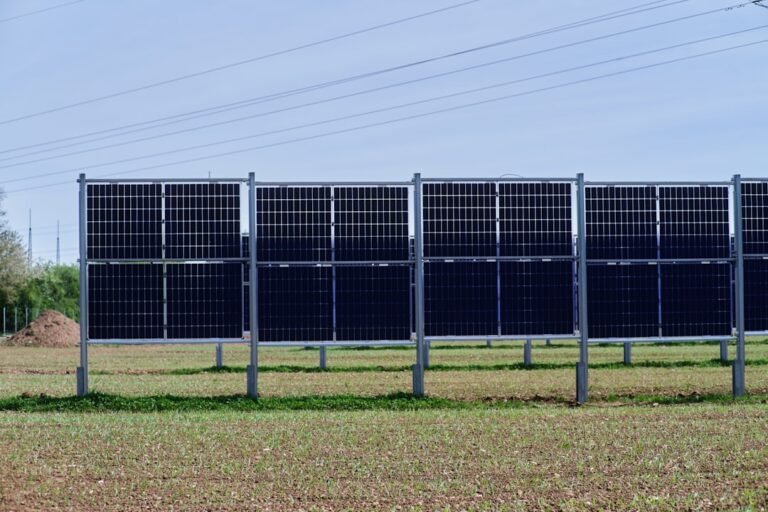
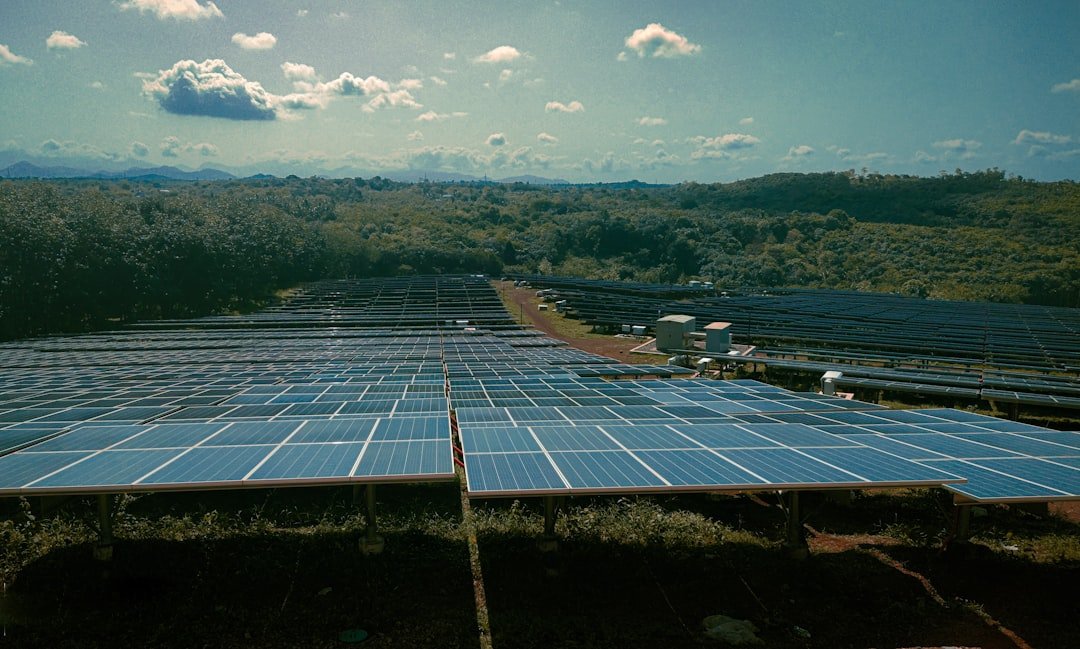
2. Solar panels (6–10 panels, 400W total minimum)
3. Charge controller
4. Battery bank (8–15 kWh usable, depending on autonomy days)
5. Monitoring system
This is why it’s expensive upfront—but why it’s also future-proof.
Strengths
True energy independence. Once installed, you’re done paying for cooling. Your marginal cost is $0. This matters over decades.
Scalable and flexible. Add more panels in year three. Upgrade battery capacity later. Your fridge doesn’t lock you into a single infrastructure choice.
Summer efficiency is outstanding. Peak sun days = peak cooling needs. The system is engineered for this alignment. Your fridge runs hardest when solar is strongest.
Low operational overhead. Panel cleaning 2–3 times yearly. Battery check monthly. No propane delivery schedules, no vent inspections.
Future-proof against fuel prices. Propane might hit $5/lb. Your solar system doesn’t care.
Weaknesses
Winter is brutal. November through February, you’re fighting cloud cover, snow on panels, and low sun angles. We’ve watched solar systems run at 30% rated capacity for weeks. If your battery bank isn’t sized for 5+ autonomy days, you fail.
Upfront cost is real. Budget $6,000–$10,000 for a proper system. Many people cheap out here—undersizing batteries or panels—then blame solar for failing. It’s not solar that failed; the system was designed wrong.
Battery replacement is expensive. LiFePO4 batteries (the good choice) cost $2,000–$4,000 per 5 kWh. You’ll replace them at 8–10 years. Propane doesn’t have this hidden cost.
Requires actual system knowledge. You need to understand:
– Daily amp-hour load calculations
– System voltage (12V vs 24V trade-offs)
– Charge controller settings and battery chemistry
– Weather-dependent performance
If you want to “set and forget,” solar isn’t for you.
Weather variability. A 10-day rainy stretch in fall can drain your battery bank if you’re not careful. You need backup heating (propane space heater, backup generator, grid connection) or you lose food.
Who It’s Really For
Solar wins for:
– Homesteaders in 4+ hours daily sun zones (Southwest, South, some Midwest)
– People with consistent year-round sunshine (minimal seasonal variation)
– Those who can afford upfront investment (~$6–$10K)
– Folks who already have solar for other loads (house power, water pumping)
– Anyone with reliable fuel supply concerns or high propane costs in their region
– Long-term thinkers (planning 20+ year horizon)
Head-to-Head Breakdown: Four Key Categories
1. Operating Cost (10-Year Horizon)
Winner: Solar (if battery cost is amortized properly)
- Propane: $1,500 fridge + $24,000 propane = $25,500
- Solar: $8,000 system + $3,000 battery replacement = $11,000
Caveat: This assumes your solar system is sized correctly and you don’t need a backup generator. If you do, add $2,000–$5,000.
2. Reliability in Your First Winter
Winner: Propane
There’s no competition here. Propane works in snow, clouds, and darkness. Solar needs to be sized perfectly, and most people don’t size it right the first time. We didn’t.
3. Long-Term Flexibility and Fuel Independence
Winner: Solar
Once solar is installed, you own the system forever. Propane chains you to delivery infrastructure and price volatility forever.
4. Total System Complexity (Learning Curve)
Winner: Propane
Propane is simple. Solar requires real knowledge. This isn’t a judgement—it’s just different skill requirements.
Final Verdict: What I Actually Recommend
For most off-gridders reading this: Start with propane. Upgrade to solar in 3–5 years.
Here’s why:
Propane gets you off-grid fast. It works immediately. You learn your homestead’s systems, your power consumption patterns, your seasonal needs. You don’t blow a year’s budget on a solar system that’s either oversized (waste) or undersized (failure).
In year 3–5, when you understand your loads and have saved capital, you add solar. Now you’re sizing the system based on real data, not guesses. You can do it right.
Exception: If you live somewhere sunny year-round (Arizona, Southern California, parts of Texas, or abroad in high-sun zones), buy solar first and add a backup propane heater for winter. The economics flip in your favor immediately.
Our personal setup (which We recommend):
– Propane fridge as primary (winter reliability)
– 6 kW solar array + 15 kWh LiFePO4 batteries (house power, EV charging)
– Small propane heater in utility room (backup for cloudy stretches)
– Propane tank shared between fridge, heater, and backup generator
Cost: ~$12,000. Maintenance: monthly battery check, seasonal vent inspection.
Affiliate Resources
[Check current propane fridge prices on Amazon]Check Price →
[Browse solar kits and battery systems recommended for off-grid fridges]Check Price →
FAQ
Q: Can I run a regular electric fridge on solar with batteries?
A: Technically yes, but no. Regular 120V compressor fridges pull 3,000–4,000 watts on startup. You’d need 25+ kWh battery to handle it, plus massive solar capacity. Cost: $20,000+. Use DC-optimized fridges instead.
Q: How long does a propane tank last if I only run a fridge?
A: A 100 lb tank lasts 6–8 weeks. A 250 lb tank lasts 4–5 months. Propane weighs ~4.2 lbs/gallon; a 100 lb tank holds ~24 gallons. Do the math for your climate.
Q: What if We get both systems?
A: You probably will eventually. Propane handles winter; solar handles summer and reduces annual propane consumption. This is the “wealthy off-gridder” answer. Budget $15,000+.
Q: Can propane fridges work in freezing weather?
A: Yes, but only to about -10°F. Below that, the absorption cooling cycle doesn’t work. You need an insulated enclosure or garage installation in truly cold climates. Solar has no temperature limit (though battery capacity decreases in cold).