7 Best Off-Grid Tools for Beginners in 2026
Starting a homestead from scratch is exciting — until you realize you need about 200 different tools and have no idea which ones actually matter in the first year. Most “essential tools” lists online read like a hardware store catalog, and half the recommendations come from people selling you stuff you won’t touch for three years. We built this off grid homestead tools list by focusing on what beginners actually use in their first season: the tools that clear land, build shelter, manage water, and keep you fed.
Our top pick: Fiskars X27 Splitting Axe — the single most-used tool on any wooded homestead.
Best budget starter kit: Stanley STHT73795 Mixed Tool Set — covers basic repairs without buying piecemeal.
Best for land clearing: Husqvarna 460 Rancher — reliable mid-range saw that handles everything from firewood to cabin logs.
Our Picks
Fiskars X27 Splitting Axe
If you buy one hand tool before anything else, make it a splitting axe. The Fiskars X27 has a 36-inch handle and a convex blade geometry that pops rounds apart with less effort than traditional mauls twice its weight.
Who it’s for: Any beginner on a wooded lot who needs firewood for heating, cooking, or both.
Pros:
– At 5.8 lbs, it’s light enough for all-day splitting sessions without destroying your back
– The FiberComp handle is virtually unbreakable — Fiskars backs it with a lifetime warranty
– Convex edge design reduces sticking in green or knotty wood
Cons:
– The 36-inch handle is too long for tight kindling splits — you’ll still want a hatchet
– Not designed for felling; this is strictly a splitting tool


Husqvarna 460 Rancher
Off-Grid Insider
Get off-grid guides & gear picks in your inbox — free

Land clearing and firewood processing without a chainsaw is medieval-level misery. The 460 Rancher delivers 60.3cc of power with a 24-inch bar — enough to drop hardwoods and buck logs without stepping into professional-grade pricing or maintenance complexity.
Who it’s for: Beginners with standing timber to clear or serious firewood needs (3+ cords per season).
Pros:
– Air Injection filtration system keeps the filter clean longer, which matters when you’re cutting dusty softwoods all day
– Side-mounted chain tensioner lets you adjust without tools — a real quality-of-life feature for new users
– Combined choke/stop control reduces the chance of flooding on cold starts
Cons:
– At ~13 lbs (powerhead only), it’s heavy for smaller-framed users; consider the 450 Rancher if weight is a concern
– Gas mix and chain maintenance have a learning curve — budget time for YouTube before your first cut
Stanley STHT73795 Mixed Tool Set

You will fix, patch, and improvise more than you ever imagined on a homestead. A basic hand tool set covers 80% of those jobs. The Stanley mixed set includes a hammer, tape measure, pliers, screwdrivers, a level, and a utility knife — the stuff you reach for daily.
Who it’s for: Anyone who doesn’t already own basic hand tools and wants a single purchase to cover everyday repairs.
Pros:
– Covers the fundamentals without filler items you’ll never use
– Stanley’s chrome vanadium steel holds up to outdoor abuse better than bargain-bin sets
– The carrying bag keeps everything together when you’re hauling tools between project sites
Cons:
– No socket set or wrenches — you’ll still need those separately for anything mechanical
– Individual tools aren’t best-in-class, but they’re solidly mid-range for the price

Silky Katanaboy 650mm Folding Saw
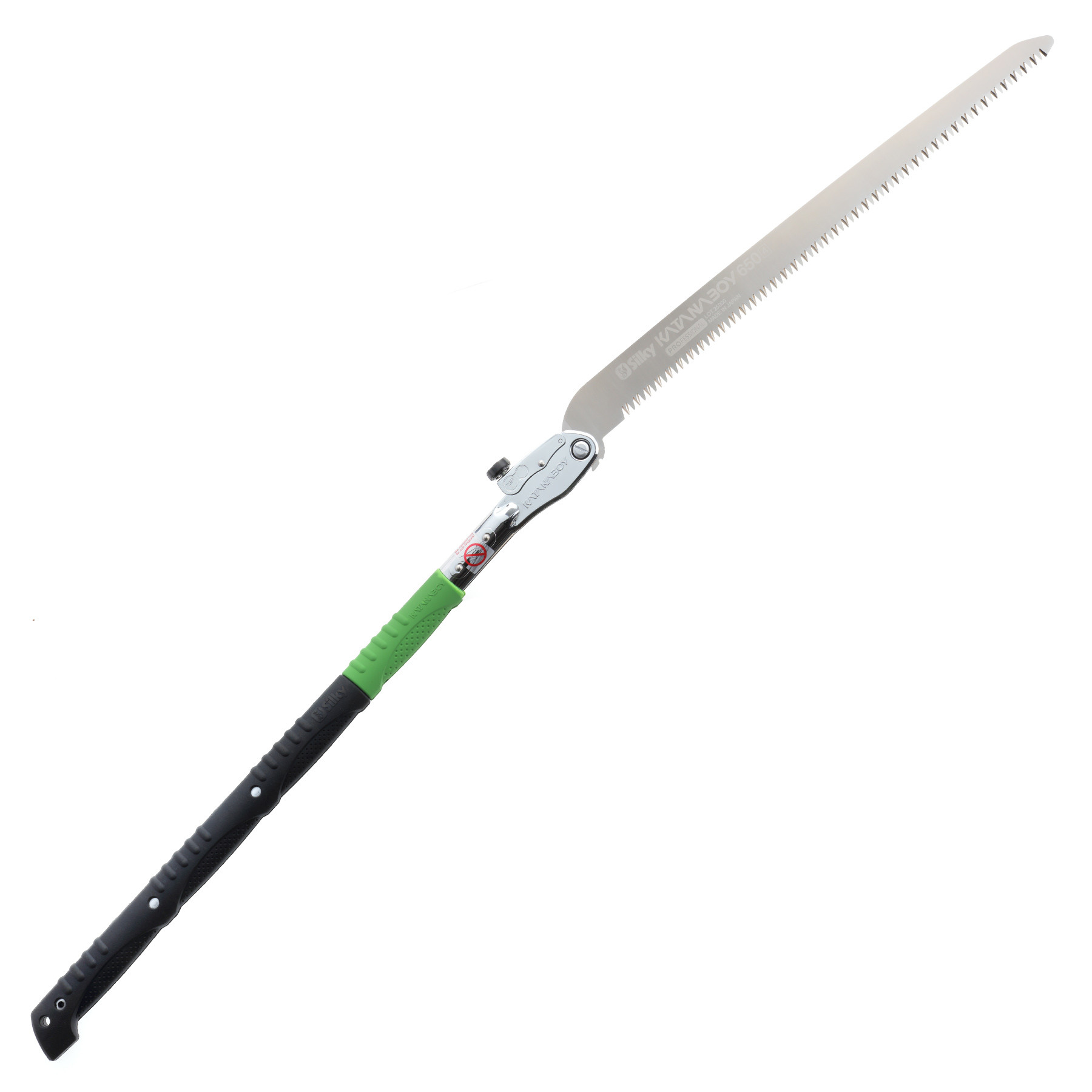
When a chainsaw is overkill and a hatchet isn’t enough, a good hand saw fills the gap. The Katanaboy’s 25.6-inch blade with impulse-hardened teeth tears through 8-inch limbs like they owe you money. It folds for safe transport and weighs just over 2 lbs.
Who it’s for: Homesteaders who need to clear brush, prune orchard trees, or process smaller firewood without firing up a chainsaw.
Pros:
– Cuts on the pull stroke, which gives you surprising control and speed with minimal effort
– Replacement blades are available — you’re not throwing away $150 when the teeth wear down
– No fuel, no battery, no noise complaints from neighbors a quarter mile away
Cons:
– At 650mm fully open, it’s awkward to use in tight brush — the 500mm version is better for dense undergrowth
– The teeth are aggressive and the blade has zero guard; respect this tool or it will bite you

DeWalt DCD771C2
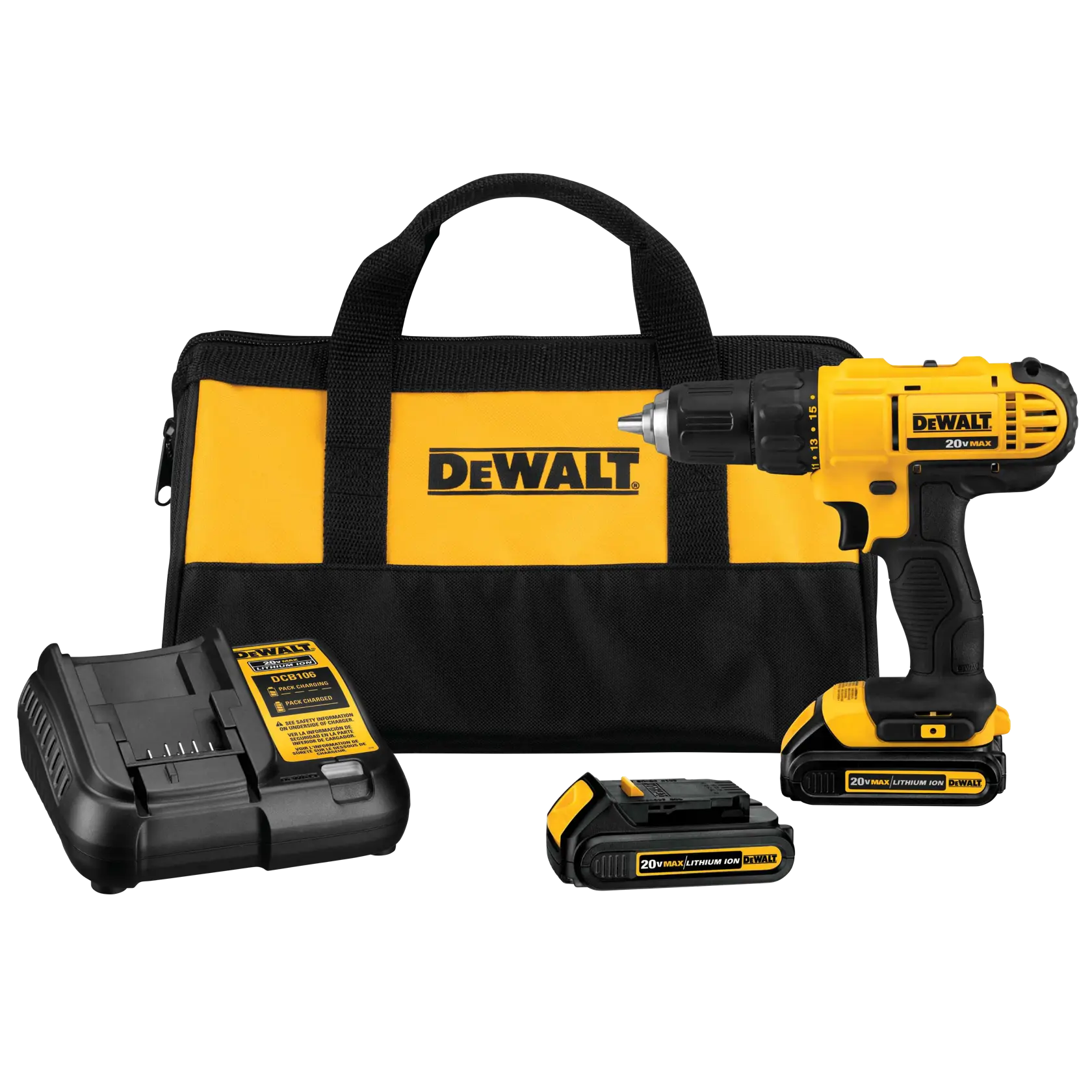
A cordless drill is non-negotiable. You’ll use it for building raised beds, framing outbuildings, mounting solar panels, assembling chicken coops — the list never ends. The DCD771C2 runs on DeWalt’s 20V MAX battery platform, which means your batteries work across dozens of other DeWalt tools as you expand your collection.
Who it’s for: Every single homesteader. If you’re building anything, you need a drill.
Pros:
– Two-speed transmission (0-450 / 0-1,500 RPM) handles both driving screws and drilling pilot holes
– Compact and lightweight at 3.6 lbs — manageable for overhead work and long sessions
– Ships with two batteries, so one charges while you work
Cons:
– The included 1.3Ah batteries are small; heavy users will want to upgrade to 2.0Ah or higher
– Not an impact driver — for lag bolts and structural screws, you’ll eventually want one


Corona RazorTOOTH Pruning Saw
Cheaper than the Silky and purpose-built for orchard and garden work. The RazorTOOTH’s three-sided teeth cut fast on both push and pull strokes, and the blade is just the right length (14 inches) for working inside fruit tree canopies.
Who it’s for: Beginners focused on food production who need a reliable pruning tool for fruit trees, berry bushes, and garden cleanup.
Pros:
– Oval-profile handle reduces hand fatigue during extended pruning sessions
– Blade guard included — a real safety plus when it’s tossed in a tool bag
– Under $30 at most retailers, making it a painless first purchase
Cons:
– Not rated for anything over 6 inches in diameter — this is a pruning saw, not a timber tool
– The blade isn’t replaceable, so once it dulls (usually after a few years of regular use), you buy a new saw
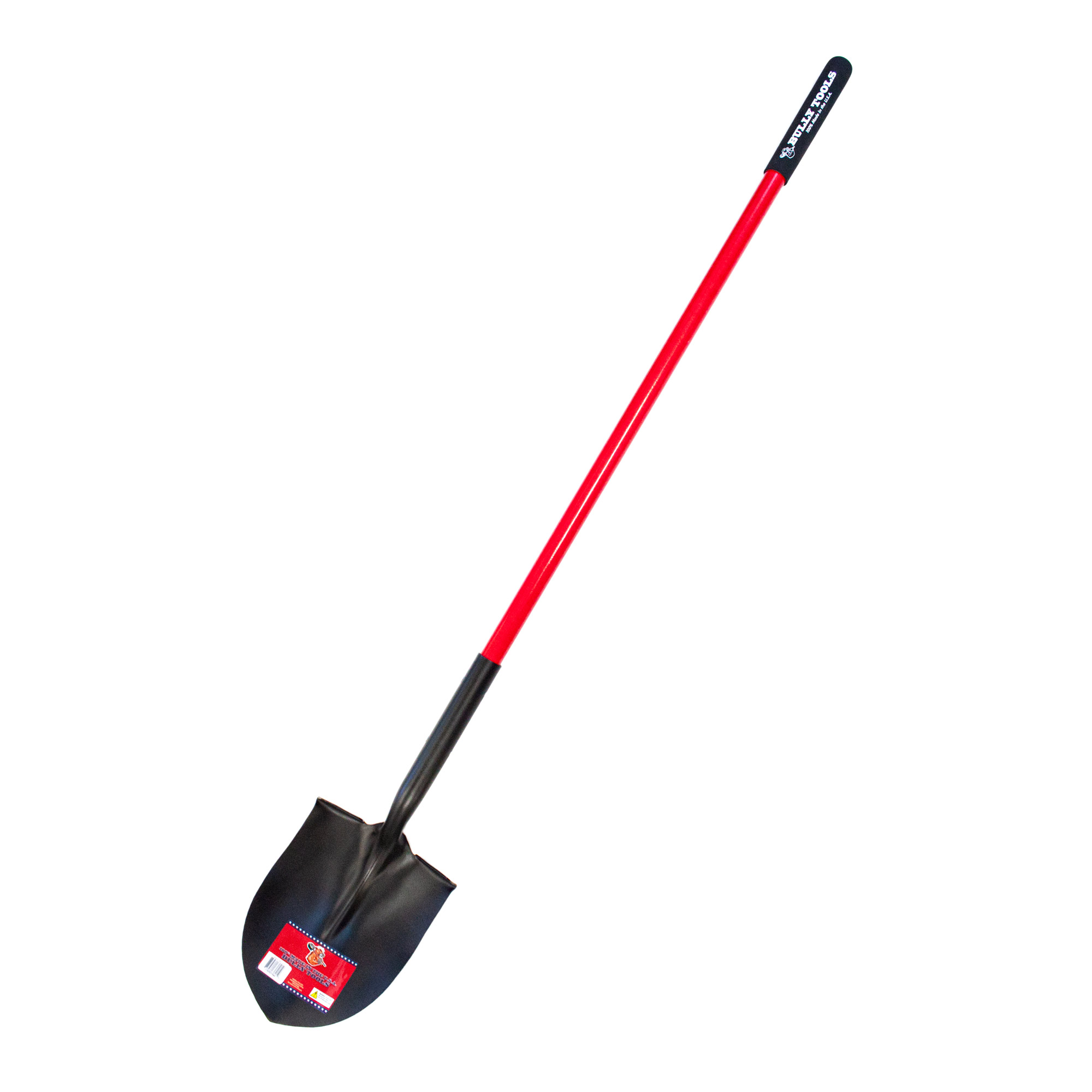
Bully Tools 82515 Round Point Shovel

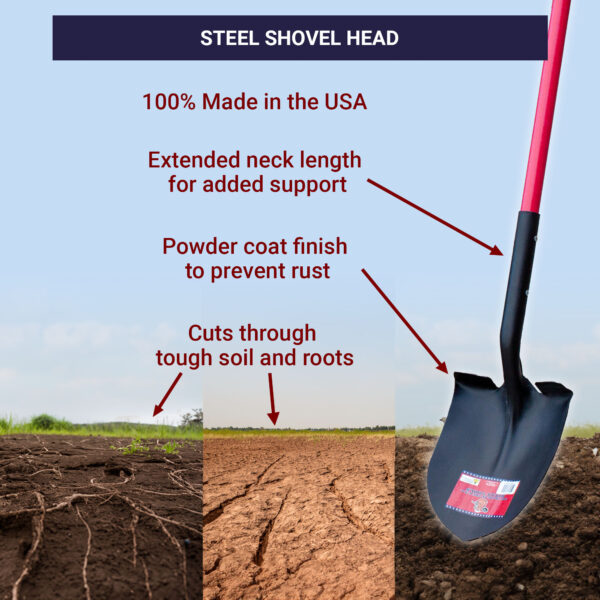
Trenching, post holes, garden beds, drainage ditches, compost turning — a shovel does more work on a homestead than almost any power tool. The Bully Tools 82515 is made in the USA with a 14-gauge steel head and a fiberglass handle rated for commercial abuse.
Who it’s for: Everyone. This is the first tool that should be on your property, period.
Pros:
– 14-gauge steel head won’t bend when you hit rocks or pry roots — a common failure point in cheaper shovels
– Fiberglass handle absorbs shock better than wood and won’t rot if left in the rain
– Lifetime warranty from a family-owned American manufacturer
Cons:
– Heavier than aluminum or composite shovels — about 5.5 lbs
– The round point is a generalist; you may eventually want a flat-edge spade for cleaner garden bed edges
How We Chose
We reviewed manufacturer specifications, warranty terms, and verified buyer feedback across Amazon, Home Depot, and homesteading forums (Permies.com, r/homestead, r/OffGrid) to build this list. We weighted durability heavily — beginners are hard on tools, and replacing cheap gear in year one wastes money and time. We also prioritized tools that serve multiple purposes, since storage space and budgets are both tight when you’re just starting out. Every pick on this list appears consistently in “most-used first-year tools” threads from actual homesteaders.
Buying Guide: What to Look for in Beginner Homestead Tools

Durability Over Features
Fancy features don’t matter if the tool breaks in month three. For hand tools, look for forged or high-gauge steel heads, fiberglass or composite handles, and manufacturer warranties. For power tools, stick with major platforms (DeWalt, Milwaukee, Makita) where replacement parts and batteries are always available. Cheap tools from no-name brands cost you twice — once when you buy them and again when you replace them.
Battery Platform Lock-In

If you’re buying cordless tools, pick one battery platform and stay with it. DeWalt 20V MAX, Milwaukee M18, or Makita 18V LXT all have deep ecosystems — drills, saws, lights, even radios. Mixing platforms means buying duplicate chargers and batteries, which adds up fast. We lean toward DeWalt for homestead beginners because of the price-to-range ratio, but all three are solid choices.
Multi-Purpose vs. Specialized

Early on, buy tools that do many jobs adequately rather than one job perfectly. A round-point shovel handles trenching, planting, and moving gravel. A 20V drill drives screws and drills holes. A splitting axe processes firewood and can rough-limb in a pinch. Specialized tools (post-hole diggers, tile spades, impact drivers) earn their place once you know your property’s specific demands. Don’t pre-buy for projects you haven’t started.
Weight and Ergonomics
You’ll swing, grip, and carry these tools for hours. An extra pound on a shovel or two pounds on a chainsaw compounds into real fatigue over a full workday. Read weight specs, not just feature lists. If you’re smaller-framed or new to physical labor, downsizing (a 450 Rancher instead of a 460, a 500mm Silky instead of a 650mm) is smart, not weak.
FAQ
What are the most essential tools for starting an off-grid homestead?
A splitting axe, a cordless drill, a quality shovel, a hand saw, and a basic hand tool set cover roughly 90% of first-year tasks. Add a chainsaw if you have timber to clear. Everything else can wait until a specific project demands it.
How much should a beginner spend on homestead tools?
Budget $500–$800 for a solid starter kit. That gets you the core hand tools, a cordless drill with batteries, and a splitting axe. If you need a chainsaw, add another $350–$500. Resist the urge to buy everything at once — let your property tell you what it needs.
Are cordless tools reliable enough for off-grid homesteading?
Yes, as long as you have a way to charge them. A single 100W solar panel and a small inverter can keep 20V batteries topped off. Modern lithium-ion batteries hold charge for months and handle temperature swings better than older NiCd packs. Cordless tools have largely replaced corded ones even on fully off-grid properties.
Should I buy used tools to save money on my homestead?
Hand tools — absolutely. A used Fiskars axe or Bully Tools shovel with some cosmetic wear works identically to a new one. For power tools, be more careful: check battery health (degraded cells won’t hold charge), inspect chuck runout on drills, and test chainsaws under load before buying. Estate sales and farm auctions are gold mines for quality used hand tools.
What tools should I avoid buying as a beginner homesteader?
Skip the tractor until you’ve worked the land by hand for a season and understand your actual needs. Avoid “homestead tool kits” sold as bundles on Amazon — they’re usually packed with low-quality filler. Don’t buy specialized tools (come-alongs, draw knives, broadforks) until you have a specific project that requires them. The best off-grid tools for beginners starting a homestead are the simple, versatile ones you’ll use every single week.
The Verdict
For beginners building their first off grid homestead tools list, start with the Fiskars X27 Splitting Axe. It’s the tool that bridges the gap between “I just bought land” and “I’m actually living here” — processing firewood for heat, cooking, and water heating is foundational work on almost every off-grid property. Pair it with the DeWalt DCD771C2 and a Bully Tools shovel, and you have the core trio that handles more first-year homestead work than any other combination we’ve found.