Build a Dry Cabin Bathroom (Step-by-Step)
Living without running water doesn’t mean living without a functional, comfortable bathroom. Thousands of dry cabin owners across Alaska, the Mountain West, and rural Canada deal with this exact challenge — and the ones who get it right build systems that are cleaner, cheaper, and lower-maintenance than many conventional setups. The ones who get it wrong end up with frozen pipes, overwhelmed composting toilets, and a lot of regret. We’ve dug into what actually works based on manufacturer specs, building codes for off-grid structures, and years of community feedback from dry cabin forums and homesteading groups.
What You’ll Learn
- How to design a complete dry cabin bathroom — toilet, washing station, and shower — without plumbed water
- The real differences between composting toilet options and which setups match which climates
- Greywater management that won’t get you in trouble with local codes
- Specific product recommendations and measurements so you can start building this week
Understanding What “Dry Cabin” Actually Means
A dry cabin has no pressurized water supply piped into the structure. That doesn’t mean no water at all — it means you haul water in and manage waste differently. Your bathroom design revolves around three systems:
- Toilet — human waste management without a flush system
- Wash station — hand washing, teeth brushing, face washing
- Bathing — shower or sponge bath setup
Each system needs its own water source plan, drainage strategy, and maintenance routine. The mistake most people make is trying to retrofit a conventional bathroom layout into a dry cabin. Don’t. Design around your actual water budget instead.
Choosing Your Toilet System
Off-Grid Insider
Get off-grid guides & gear picks in your inbox — free

This is the biggest decision in your dry cabin bathroom, and it affects ventilation, layout, flooring, and even your cabin’s resale value.
Composting Toilets
The most popular choice for dry cabins, and for good reason. A self-contained composting toilet separates liquid from solid waste, uses aerobic decomposition to break down solids, and produces usable compost over time.
Nature’s Head is the unit we see recommended most consistently across off-grid communities. It measures 20.75″ H × 17″ W × 20.25″ D, runs on a small 12V fan (drawing about 0.16 amps), and handles two full-time users for roughly 4–6 weeks before the solids bin needs emptying. The liquid bottle holds about 2.2 gallons and needs emptying every 2–3 days for a couple.
Nature’s Head Composting Toilet on Amazon
Sun-Mar Excel is the better choice if you have a larger household (3–4 people) or want a non-electric option. The non-electric model uses a chimney-effect ventilation system instead of a fan, which matters in remote cabins without solar.
Sun-Mar Excel Composting Toilet on Amazon
Key Installation Details
- Vent pipe: Every composting toilet needs a vent pipe running through the roof or wall. Plan for a 1.5″–2″ diameter PVC pipe with a screened cap. The fan or chimney effect pulls odors out — without proper venting, you will have smell problems.
- Floor reinforcement: These units weigh 40–70 lbs empty and more when in use. If your cabin has a raised floor, make sure the joists under the bathroom can handle the concentrated load.
- Cold climate consideration: Below 55°F, composting slows dramatically. If your cabin gets cold in winter, consider a small ceramic heater or heat lamp near the unit, or plan on using it as a holding system during frozen months and composting in warmer weather.
Bucket Systems (The Budget Option)

A 5-gallon bucket with a snap-on toilet seat, lined with a compostable bag and layered with sawdust or peat moss after each use. The Loveable Loo design costs under $50 to build. It works, it’s simple, and plenty of full-time dry cabin residents use this system year-round. The trade-off is more frequent emptying (every 3–5 days for two people) and slightly more odor management.
You’ll need a dedicated outdoor compost bin — a three-bin system works best, giving each bin a full year to finish composting before use.
Setting Up Your Wash Station
The Basics
A dry cabin wash station needs three things: a water container, a basin or sink, and a drain. The simplest version is a wall-mounted 5-gallon water dispenser above a small basin that drains into a bucket underneath.
For a more permanent setup, mount a 6-gallon Reliance Aqua-Tainer on a shelf 36″–42″ above the floor (standard counter height puts the spigot at a comfortable hand-washing position). Run a short section of food-grade tubing from the spigot down to a small bar sink or stainless steel basin.
Reliance Aqua-Tainer 7 Gallon on Amazon
Upgrading to a Foot Pump System

If you want hands-free water flow, a foot-operated pump pulls water from a jug or tank below the counter and pushes it up through a faucet. The Whale GP0650 Babyfoot Pump is a marine-grade foot pump that delivers about 2.2 gallons per minute and costs around $30–$40. Mount it under the sink, connect it to a 5–7 gallon container with clear tubing, and you have a functional faucet system with zero electricity.
Whale Babyfoot Foot Pump on Amazon
Greywater Drainage
Your wash station drain needs to go somewhere. Options depend on your climate and local regulations:
- Indoor bucket: Simplest. A 5-gallon bucket under the sink catches all greywater. Empty it daily onto your garden or into a greywater pit.
- Direct drain to exterior: Run a 1.5″ ABS pipe through the floor or wall to a small gravel-filled French drain or dry well outside. In freezing climates, insulate the pipe and pitch it steeply (1/4″ per foot minimum) so water doesn’t sit and freeze.
- Greywater garden bed: A shallow, mulch-filled trench that receives wash water and filters it through wood chips and soil. Use only biodegradable soap — we recommend Dr. Bronner’s Castile Soap — to keep your soil healthy.
Check your local health department for greywater rules. Many rural counties have minimal or no greywater regulations for small volumes, but some require a permit.
Building Your Shower System

Gravity-Fed Shower
The simplest effective shower: a 5-gallon solar shower bag hung from a hook at 7’+ height gives you about 5–8 minutes of flow. On sunny days, these bags heat water to 100–110°F in 3–4 hours.
For a more permanent setup, mount a 10–15 gallon dark-colored container on the south-facing exterior wall or roof of your cabin with a hose running inside to a showerhead. A low-flow showerhead rated at 1.0 GPM stretches your water supply significantly — a 5-gallon bag gives you a full 5-minute shower at that flow rate.
Camp Shower 5 Gallon Solar on Amazon
Heated Shower Option

For year-round comfort, a Camplux 5L Portable Tankless Water Heater runs on a 1 lb propane cylinder and heats water on demand. It needs no electricity and delivers water at up to 110°F. Mount your showerhead inside a stall lined with PVC wall panels or a premade shower surround, and drain into a floor basin connected to your greywater system.
Camplux Portable Tankless Water Heater on Amazon
Shower Floor and Drainage
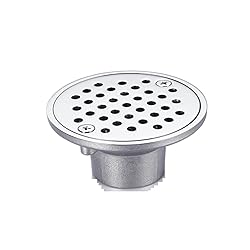
Build a shower pan from a mortar bed lined with a PVC shower pan liner and tiled, or use a 32″ × 32″ premade shower base. Pitch the floor toward a center drain at 1/4″ per foot. The drain should connect to your greywater system — either an indoor collection tank or an exterior drain line.
In cold climates, insulate the bathroom floor with 2″ rigid foam beneath the subfloor and consider a small bathroom-rated space heater. Showering in a 35°F bathroom is miserable, and people who skip the insulation step usually stop using their shower by November.
Common Mistakes
-
Skipping the vent fan on composting toilets. Even units with passive venting benefit from the 12V fan option. The tiny power draw (under 2 watts) prevents almost all odor issues. Owners who go without the fan are the ones posting complaints online.
-
Using regular soap with greywater systems. Conventional soaps and detergents contain salts, fragrances, and chemicals that kill soil biology and can clog gravel drain fields. Switch to castile soap or specifically greywater-safe products for everything in your dry cabin.
-
Not insulating drain lines in cold climates. A frozen greywater line means your sink and shower are out of commission until spring — or until you crawl under the cabin with a heat gun. Insulate all exterior drain runs with closed-cell pipe foam and heat tape if you’re in a zone that sees temps below 20°F.
-
Oversizing the bathroom. In a dry cabin, every square foot matters. Your bathroom doesn’t need to match a conventional house. A functional dry cabin bathroom fits comfortably in a 4′ × 6′ footprint — toilet, wash station, and shower stall included. Don’t waste cabin space on a room designed for plumbing you don’t have.
Our Recommendations
Best Composting Toilet — Nature’s Head Self-Contained Unit
The most consistently well-reviewed composting toilet in the off-grid community. Compact, reliable 12V fan, stainless hardware, and a solid 5-year warranty. The urine diverter design virtually eliminates odor when installed with proper venting.
Nature’s Head Composting Toilet on Amazon
Best Budget Shower Setup — Camplux 5L Tankless Heater + Low-Flow Head
Propane-powered, no electricity needed, and delivers warm water in under 5 seconds. Pair it with a 1.0 GPM showerhead and you get comfortable showers on minimal water. Total setup cost runs around $120–$150.
Camplux 5L Tankless Water Heater on Amazon
Best Foot Pump for Wash Station — Whale GP0650 Babyfoot
Marine-grade build quality in a $35 package. No electricity, no batteries, delivers smooth water flow with a foot press. Thousands of sailboat owners rely on these — they handle dry cabin duty without issue.
Whale Babyfoot Pump on Amazon
FAQ
How much water does a dry cabin bathroom use per day?
For two people with a composting toilet, hand washing, teeth brushing, and one shower each: plan for about 5–7 gallons per day. A low-flow showerhead and foot pump system keeps usage on the lower end. Most dry cabin owners haul water once or twice a week with a 40–55 gallon tank.
Do composting toilets smell?
Properly installed with a vent fan and correct carbon-to-nitrogen ratio (add a cup of peat moss or coconut coir after each solid use), they should not smell. Odor complaints almost always trace back to insufficient venting, a disconnected fan, or not using enough bulking material.
Can I install a dry cabin bathroom myself?
Yes. None of these systems require a licensed plumber since there’s no pressurized water supply to connect. Basic carpentry skills, a drill, and a jigsaw for cutting the vent hole are sufficient. The composting toilet installs with four lag bolts. The most complex part is typically the shower pan and drain, which takes a weekend for a first-timer.
What do I do with composting toilet output?
Finished compost from a properly managed composting toilet is safe for use around fruit trees, ornamental gardens, and non-food-crop soil. Most health departments recommend against using humanure on vegetable gardens. The liquid (urine) diluted 8:1 with water makes an excellent nitrogen-rich fertilizer for gardens and lawns.
Is a dry cabin bathroom legal?
In most rural and unincorporated areas, yes — composting toilets are approved by the NSF (Standard 41) and accepted in all 50 U.S. states, though local permit requirements vary. Some jurisdictions require a conventional septic system as a backup even if you use a composting toilet as your primary. Always check with your county building and health departments before starting construction.