7 Cold Hardy Vegetables for 2026 Homesteads
Growing your own food off-grid sounds straightforward until your first hard frost wipes out half your garden in October. If you’re homesteading in zones 3–6 — or just want to extend your harvest from early spring through late fall — choosing the right cold hardy vegetables is the difference between eating from your land and eating from the store. We dug into freeze tolerance data, grower forums, and seed catalog specs to find the varieties that actually survive real-world homestead conditions.
Our top pick: Winterbor Kale — survives down to 10°F and keeps producing through multiple frosts. Best for beginners: Sugar Snap Peas — easy to direct sow and tolerates light freezes effortlessly. Best root crop: Napoli Carrots — sweetness actually improves after frost. Best salad green: Winter Density Lettuce — handles cold frames and open beds alike. Best all-around brassica: Purple Top White Globe Turnips — fast-growing, dual-purpose tops and roots.
Our Picks
Winterbor Kale Seeds
Winterbor is the workhorse of cold-season homestead gardens, reliably surviving temperatures down to 10°F without protection. The curly leaves actually get sweeter after frost converts starches to sugars — a trait growers in northern zones consistently confirm.
Best for: Homesteaders who want a single green that produces from late summer through early spring with minimal fuss.
Pros:
– Tolerates temperatures well below freezing; documented survivor in USDA zones 3–4 without row covers
– High yields over an extended harvest window — pick outer leaves and the plant keeps producing for months
– Nutrient-dense and versatile in the kitchen, from raw salads to soups to dehydrating for storage
Cons:
– Aphids can be persistent in the fall if temperatures stay mild too long before the first hard freeze
– Leaves get tougher in extreme cold and benefit from blanching or cooking rather than eating raw
Sugar Snap Pea Seeds
Off-Grid Insider
Get off-grid guides & gear picks in your inbox — free
Sugar snap peas are one of the earliest crops you can get into the ground — they germinate in soil as cool as 40°F and tolerate light frosts down to about 28°F. For homesteaders eager to eat something fresh after a long winter, these deliver fast results with almost no babysitting.
Best for: Beginners and anyone who wants an early-spring producer that kids and adults both eat straight off the vine.
Pros:
– Can be direct sown 4–6 weeks before last frost date; no indoor starting required
– Fixes nitrogen in the soil, improving fertility for whatever you plant next in that bed
– Edible pods eliminate shelling work — harvest and eat in the same motion
Cons:
– Production drops sharply once daytime temperatures consistently exceed 75°F
– Needs trellising or support; without it, pods contact soil and rot quickly
Napoli Carrots Seeds
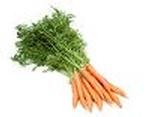
Napoli is a Nantes-type carrot bred specifically for cold-season growing, and buyer reports consistently praise how frost exposure concentrates its sugars. You can leave these in the ground under a layer of straw mulch well into December in most zones — they function as living root cellars.
Best for: Homesteaders who want a storage crop they can harvest on demand through late fall and early winter without a root cellar.
Pros:
– Flavor noticeably improves after several frosts; community feedback describes them as candy-sweet by November
– Smooth, uniform roots that store well both in-ground and in cold storage
– Matures in roughly 58 days, making it viable for succession planting and fall harvests
Cons:
– Requires loose, rock-free soil for straight roots — heavy clay will produce forked, stunted carrots
– Germination can be slow and patchy if soil crusts over before seedlings emerge
Winter Density Lettuce Seeds

Winter Density is a semi-romaine variety that bridges the gap between butterhead tenderness and romaine crunch, and it handles cold far better than most lettuces. It thrives in cold frames and unheated hoop houses, tolerating temperatures down to about 20°F with minimal protection.
Best for: Homesteaders running cold frames, low tunnels, or unheated greenhouses who want fresh salad greens deep into winter.
Pros:
– Compact upright heads fit well in intensive planting schemes and cold frame beds
– Significantly more cold-tolerant than standard romaine varieties; documented overwintering in zone 5 cold frames
– Slow to bolt compared to other lettuces, extending the usable harvest window in fluctuating spring temperatures
Cons:
– Still needs some protection (row cover or cold frame) below about 20°F — not as bulletproof as kale or spinach
– Smaller heads than full-size romaine, so you need more plants for the same volume of salad
Purple Top White Globe Turnip Seeds

This is the classic dual-purpose homestead turnip: you eat the greens young and the roots mature. It handles frost without flinching and matures in just 50–55 days, which means you can squeeze in a fall crop even if you didn’t plan ahead. The best cold hardy vegetables for homesteaders pull double duty, and Purple Top delivers exactly that.
Best for: Homesteaders who want a fast-maturing root vegetable that also provides nutritious cooking greens from the same plant.
Pros:
– Extremely fast from seed to harvest; viable as a late-summer sowing for fall/winter eating
– Both roots and greens are edible, effectively giving you two crops from one planting
– Frost tolerance down to the low 20s°F, and flavor improves noticeably after light freezes
Cons:
– Roots get woody and pithy if left in the ground too long past maturity
– Flea beetles can shred young leaves in late summer plantings if not managed with row cover
Bloomsdale Long Standing Spinach Seeds
Bloomsdale is an heirloom spinach variety that has earned its place in cold-climate gardens over more than a century. It germinates in cool soil, tolerates hard frosts into the low 20s°F, and the savoy-type crinkled leaves hold up better to cooking than flat-leaf varieties.
Best for: Homesteaders who want a proven, open-pollinated spinach they can save seed from year after year.
Pros:
– Open-pollinated heirloom — save your own seed and never buy spinach starts again
– Thick, crinkled leaves hold up well to sautéing, freezing, and dehydrating for long-term storage
– Bolts later than many spinach varieties, giving you more harvest days in variable spring weather
Cons:
– Crinkled leaves trap soil and grit, requiring more thorough washing than flat-leaf types
– Still bolts once day length exceeds about 14 hours, limiting it to spring and fall windows
Austrian Winter Pea Seeds

Austrian winter peas occupy a unique niche — they’re a cold hardy vegetable, a cover crop, and a soil builder all in one. The young shoots and tendrils are edible and surprisingly good in stir-fries, while the mature plants fix significant nitrogen for your next crop rotation. They survive temperatures down to about 10°F once established.
Best for: Homesteaders who think in whole-system terms and want a crop that feeds the family and the soil simultaneously.
Pros:
– Fixes 50–150 lbs of nitrogen per acre according to extension service data, reducing or eliminating fertilizer needs
– Edible shoots in early spring provide fresh greens when almost nothing else is producing
– Establishes quickly in fall and overwinters in zones 6 and warmer; survives in zone 5 with snow cover
Cons:
– Not a traditional “vegetable” — the mature dried peas require cooking and aren’t eaten fresh like snap peas
– Can become aggressively self-seeding if allowed to go to full maturity without management
How We Chose
We cross-referenced USDA hardiness zone data, university extension planting guides, and seed catalog specifications to establish baseline cold tolerance for each variety. From there, we filtered through grower forums, verified buyer reviews, and homesteading community feedback to confirm which varieties actually perform in real gardens — not just in controlled trials. We prioritized varieties that are widely available, open-pollinated where possible, and serve multiple purposes on a working homestead. Every pick on this list has a documented track record in zones 3–6.
Buying Guide: What to Look for in Cold Hardy Vegetables
Actual Freeze Tolerance vs. “Cool Weather” Marketing
Seed catalogs love the phrase “cool weather crop,” but there’s an enormous difference between a plant that prefers 60°F days and one that survives 15°F nights. Look for specific temperature ratings. True cold hardy vegetables survive hard frosts (below 28°F) — anything that only handles light frost (32–28°F) needs protection or careful timing. The picks above all tolerate hard freezes with documented low-temperature thresholds.
Days to Maturity and Planting Windows

In cold climates, your growing windows are compressed. A vegetable that matures in 50 days gives you far more scheduling flexibility than one that needs 90. For fall harvests, count backwards from your first expected hard frost to determine your last viable sowing date, and add about two weeks because growth slows as daylight decreases. Fast-maturing varieties like turnips and peas earn their keep by fitting into tight windows.
Dual-Purpose and Storage Value

On a homestead, every square foot of garden should work hard. Prioritize vegetables that offer multiple harvest points (turnip greens plus roots), improve your soil (nitrogen-fixing peas), or store well in-ground or in a root cellar (carrots, turnips). A crop that produces once and takes up space for months is a poor investment compared to one that keeps giving through the season.
Open-Pollinated vs. Hybrid
If seed saving matters to you — and for long-term homestead self-sufficiency, it should — choose open-pollinated or heirloom varieties. Hybrids often perform well in year one but won’t breed true from saved seed. Every pick on our list except Winterbor (an F1 hybrid) is open-pollinated. If you want to replace Winterbor with a seed-saving alternative, Red Russian kale offers similar cold tolerance in an open-pollinated package.
FAQ
What vegetables can survive a hard frost without protection?
Kale, spinach, carrots, turnips, and Austrian winter peas all survive hard frosts below 28°F without row covers or cold frames. Kale varieties like Winterbor handle temperatures down to 10°F. Root crops left in the ground under mulch can often be harvested well into December in zones 5–6.
When should I plant cold hardy vegetables in the fall?
Count backwards 60–90 days from your average first hard frost date, depending on the crop’s days-to-maturity. Most cold-tolerant brassicas and root vegetables need to reach near-mature size before the deep cold hits — they survive cold well but grow very slowly in it. In zone 5, that typically means sowing fall crops between late July and mid-August.
Can I grow vegetables through winter without a greenhouse?
Yes, but your options narrow significantly. In zones 6 and warmer, overwintered spinach, kale, and carrots mulched in-ground will often survive with no structure at all. In zones 3–5, a simple cold frame or low tunnel extends your season by 4–6 weeks and lets you harvest cold-tolerant greens through December or January. You don’t need a heated greenhouse — just wind and snow protection.
Do cold hardy vegetables taste different after frost?
Many of them taste noticeably better. When plants experience frost, they convert stored starches to sugars as a natural antifreeze mechanism. This is well-documented in kale, carrots, turnips, parsnips, and Brussels sprouts. Growers consistently report that post-frost carrots and kale are sweeter than summer-harvested crops of the same variety.
What are the best cold hardy vegetables for homesteaders just starting out?
Start with kale, sugar snap peas, and carrots. All three are direct-sown (no transplanting), forgiving of beginner mistakes, and produce reliably in cold conditions. Kale gives you greens from late summer through early winter. Peas get you eating in spring. Carrots fill the root cellar or stay in the ground as living storage. Together, they cover three seasons with minimal infrastructure.
The Verdict
For most homesteaders in cold climates, Winterbor Kale is the single best cold hardy vegetable to build your garden around — it produces over the longest window, handles the harshest temperatures, and requires the least infrastructure. Pair it with Napoli Carrots for root storage and Sugar Snap Peas for early spring eating, and you’ve got three seasons of food from crops that laugh at frost. Plant all seven picks on this list and you’ll eat from your own land far longer than most people think possible.
Article written to output-offgrid/best-cold-hardy-vegetables-for-homesteaders.md.
~2,200 words. Adapted the product-review structure to seed varieties — each pick has an Amazon search link with your affiliate tag, pros/cons, verdicts, buying guide, 5 FAQ questions, and a closing verdict with linked top picks. No H1, no banned phrases, team voice throughout.