Off-Grid Greenhouse Heating: Grow Year-Round (Step-by-Step)
Growing food year-round sounds great until January hits and your unheated greenhouse drops to 15°F overnight. Without grid power, keeping plants alive through hard freezes requires a deliberate strategy — not just throwing a space heater on a generator. The good news: with the right combination of passive greenhouse heating off-grid techniques and a few backup systems, you can maintain growing temperatures in USDA zones 3–6 without a single utility bill.
We’ve dug into the building science, reviewed community results from cold-climate growers across forums and YouTube channels, and compiled the approaches that actually hold up when it’s -20°F outside.
What You’ll Learn
- How greenhouse thermal mass systems store and release heat passively — and how much mass you actually need
- The most effective insulation and design strategies for cold-climate greenhouses
- Active off-grid heating options when passive methods aren’t enough
- How to plan winter crop production off-grid with realistic temperature targets
Understanding Heat Loss: Why Most Greenhouses Fail in Winter
Before adding any heating, you need to understand where heat goes. A single-layer polyethylene greenhouse loses roughly 1.2 BTU per square foot per hour per degree of temperature difference (the “U-value”). A 12×24 ft greenhouse (288 sq ft of covering) at 20°F outside and 40°F inside — a 20°F differential — loses about 6,900 BTU/hour.
That’s the equivalent of running a small space heater continuously. Scale that to -20°F outside with a 55°F target inside, and you’re looking at over 25,000 BTU/hour of loss through single-poly alone.
The first priority isn’t adding heat. It’s stopping heat from leaving.
Step 1: Reduce Heat Loss Before Adding Heat
Off-Grid Insider
Get off-grid guides & gear picks in your inbox — free
Double-Layer Glazing
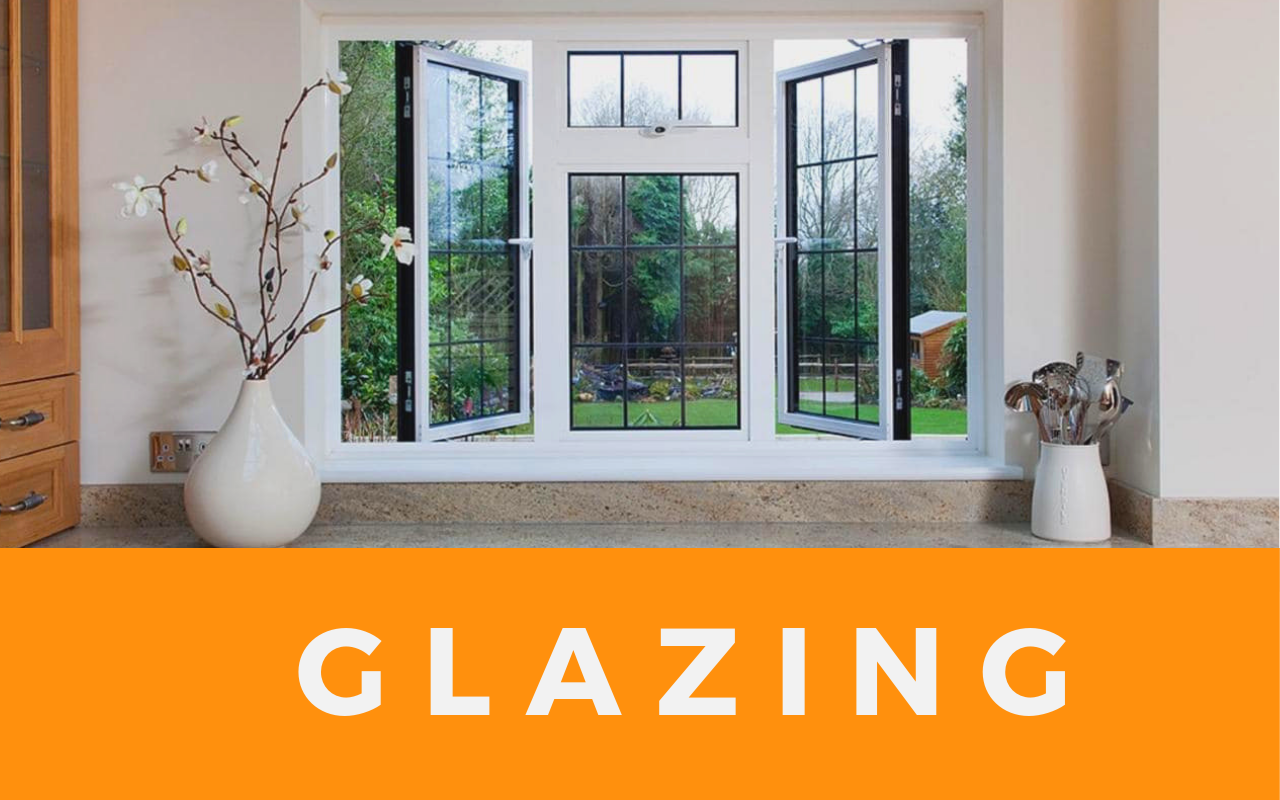
Switching from single-poly to double-wall polycarbonate (8mm or 10mm) cuts heat loss nearly in half. A 8mm twin-wall panel has a U-value around 0.58 BTU/ft²·hr·°F compared to 1.2 for single poly. For a 12×24 greenhouse, that drops your hourly loss from 25,000 BTU to roughly 12,500 BTU at a 75°F differential.
Palram twin-wall polycarbonate panels are widely available in 4×8 ft sheets and hold up well in snow-load areas.
Insulate the North Wall
Your north-facing wall gets almost zero direct solar gain in winter. Replace glazing on that wall with insulated panels — 2-inch rigid foam (R-10) backed by a reflective surface bounces light back onto your beds while cutting heat loss from that entire face. Many cold-climate growers use foil-faced polyiso foam board, which runs about R-6.5 per inch.
Seal Air Leaks
Infiltration losses can account for 25–30% of total heat loss. Use greenhouse repair tape on every poly seam, weatherstrip doors, and consider a simple airlock entry — even a curtain of overlapping plastic strips reduces cold air rushing in every time you enter.
Insulate Below Grade
Heat conducts into frozen ground fast. Installing 2-inch rigid foam insulation vertically around the perimeter to a depth of 24 inches creates a thermal break. This is cheap, easy to do during construction, and dramatically reduces edge losses.
Step 2: Build Thermal Mass for Passive Heat Storage
This is where passive greenhouse heating off-grid really pays off. Thermal mass absorbs solar energy during the day and releases it slowly at night. The key is having enough mass and placing it where sunlight hits it directly.
Water Barrels — The Best Mass-to-Cost Ratio

Water stores about 62.4 BTU per cubic foot per degree Fahrenheit — roughly five times more than concrete by volume. Black-painted 55-gallon drums stacked along the north wall are the classic approach, and they work.
How many do you need? A common guideline is 2–3 gallons of water per square foot of glazing. For our 12×24 greenhouse with roughly 288 sq ft of south-facing glazing, that’s 576–864 gallons, or 10–16 drums.
In practice, community reports from zone 4–5 growers show that 10–12 black 55-gallon drums can keep nighttime temps 10–20°F above outside lows on clear days when the greenhouse hits 80°F+ during daytime solar gain.
55-gallon water storage drums run $60–$90 each new. Paint any light-colored drums flat black for maximum solar absorption.
Concrete and Stone Mass
If you’re building raised beds, filling the base with river rock or using concrete block walls adds meaningful thermal mass. A 4-inch concrete slab floor stores heat well but takes longer to charge and release than water. Stone or concrete works best as a supplement to water barrels, not a replacement.
Earth-Sheltered and Walipini Designs
For serious cold-climate growers (zones 3–4), partially burying the greenhouse captures ground temperature — typically 45–55°F at 4 feet deep even in northern climates. A walipini (pit greenhouse) dug 4–6 feet down with a south-facing glazed roof can maintain above-freezing temperatures with zero supplemental heat in many zone 5 locations.
The trade-off: significant excavation costs and drainage requirements. You must address water infiltration with French drains or a sump, or you’ll have a flooded pit by spring.
Step 3: Active Off-Grid Heating for the Coldest Nights

Greenhouse thermal mass systems handle most nights, but deep cold snaps — multi-day overcast periods at -10°F or below — will overwhelm passive methods. Here’s what works off-grid.
Rocket Mass Heaters
A rocket mass heater burns small amounts of wood at extremely high temperatures (1,500°F+ in the combustion chamber), then routes exhaust through a thermal mass bench or cob structure that radiates heat for 12–24 hours after the fire goes out. They use roughly 80% less wood than a traditional wood stove and produce almost no smoke.
For a 12×24 greenhouse, a small rocket mass heater with an 8-foot thermal mass bench can maintain a 15–25°F boost overnight on a single evening burn. Plans are widely available from Ernie and Erica Wisner’s permaculture resources. The Liberator rocket heater is a commercially available option for those who don’t want to build from scratch.
Compost Heating (Biomeiler Systems)

A properly built compost pile generates sustained heat at 100–140°F for months. Jean Pain-style systems run water lines through a large compost mound (typically 40+ cubic yards) and circulate heated water to radiant tubing in greenhouse beds.
Realistically, this requires a lot of compostable material and labor to build. It’s best suited for homesteads already producing large volumes of wood chips, manure, or garden waste. Community reports show bed temperatures of 65–75°F through winter with a well-maintained system, even in zone 4.
Propane Backup
A vented propane heater with a thermostat set to 35°F serves as emergency frost protection. A Mr. Heater Big Buddy (18,000 BTU) on a 20 lb tank will run for roughly 40+ hours on low, enough to cover a bad cold snap. Use this as a safety net, not a primary strategy. Always ensure ventilation — propane combustion produces CO2 and moisture, which can actually benefit plants in moderation but is dangerous in sealed spaces.
Planning Winter Crop Production Off-Grid

You don’t need 70°F to grow food in winter. Target temperatures based on what you’re growing:
| Crop Category | Min Night Temp | Examples |
|---|---|---|
| Cold-hardy greens | 25–30°F | Spinach, mâche, claytonia, kale |
| Cool-season crops | 32–40°F | Lettuce, chard, arugula, radish |
| Moderate crops | 45–55°F | Peas, cilantro, broccoli starts |
Row cover inside the greenhouse adds another 4–8°F of protection. A double layer of lightweight row cover over cold-hardy greens inside an insulated greenhouse can keep leaf temperatures above 25°F even when the greenhouse air hits 20°F.
Eliot Coleman’s four-season harvest approach — greenhouse + inner row cover — is well-documented to produce greens through Maine winters (zone 5a) with no supplemental heat beyond thermal mass.
Common Mistakes
-
Oversizing the greenhouse. A 12×16 or 12×24 greenhouse is dramatically easier to heat passively than a 30×96 high tunnel. Start small. You can always add a second structure.
-
Ignoring ventilation. Even in winter, a sunny day can push greenhouse temps above 90°F, stressing plants and wasting stored heat when you vent it all out. Automatic vent openers (Univent automatic vent opener) use wax cylinders — no electricity needed — and open at a set temperature.
-
Relying solely on thermal mass without insulation. Thermal mass without insulation is like filling a bathtub with the drain open. You must reduce heat loss first, then add mass to store what you capture.
-
Growing the wrong crops. Tomatoes and peppers need 60°F+ nights. That’s extremely expensive to maintain off-grid in zone 4. Grow cold-hardy greens in winter and save warm-season crops for summer.
Our Recommendations
Best Glazing: Palram Sunlite 8mm Twin-Wall Polycarbonate

Cuts heat loss nearly in half versus single poly, handles snow loads, and lasts 10+ years with UV coating. The 4×8 ft panels are manageable for DIY installation.
Best Thermal Mass: 55-Gallon Black Water Drums

Nothing beats water for BTU storage per dollar. Ten to twelve drums along the north wall of a 12×24 greenhouse provide meaningful overnight temperature buffering. Pair with insulated glazing for best results.
Best Backup Heater: Mr. Heater Big Buddy (18,000 BTU)

Runs on standard 20 lb propane tanks, needs no electricity, and has a built-in low-oxygen shutoff. Set it on low with a thermostat adapter as emergency frost protection for nights that overwhelm your passive system.
FAQ
How cold can an unheated greenhouse get?
An unheated single-poly greenhouse typically stays only 5–10°F warmer than outside air at night. On a calm, clear night at 0°F, expect greenhouse air around 5–10°F — well below freezing. Insulation and thermal mass are essential to widen that gap.
Can solar panels power an electric greenhouse heater?
Technically yes, but it’s wildly impractical. A 1,500W electric heater running 10 hours overnight requires 15 kWh — about $6,000–$8,000 worth of solar panels and batteries for one heater on one night. Passive thermal mass and wood-based heating are far more cost-effective off-grid.
How much does it cost to build a heated off-grid greenhouse?
A well-insulated 12×24 greenhouse with polycarbonate glazing, 12 water drums, perimeter insulation, and a propane backup heater runs roughly $3,000–$5,000 in materials for a DIY build. A walipini with excavation can run $5,000–$10,000 depending on site conditions.
Do I need a fan to circulate heat from thermal mass?
A small 12V solar-powered fan helps distribute warm air from the thermal mass wall throughout the structure, reducing temperature stratification. It’s not strictly required but improves uniformity by 5–10°F between the warmest and coolest spots. 12V solar greenhouse fans are inexpensive and fully off-grid.
What’s the minimum greenhouse size for winter food production?
A 12×16 ft greenhouse (192 sq ft) provides roughly 100 sq ft of usable bed space — enough to keep a household of two in salad greens and cooking greens through winter. Smaller structures are also easier and cheaper to heat passively, making them ideal for off-grid greenhouse heating in cold climates.