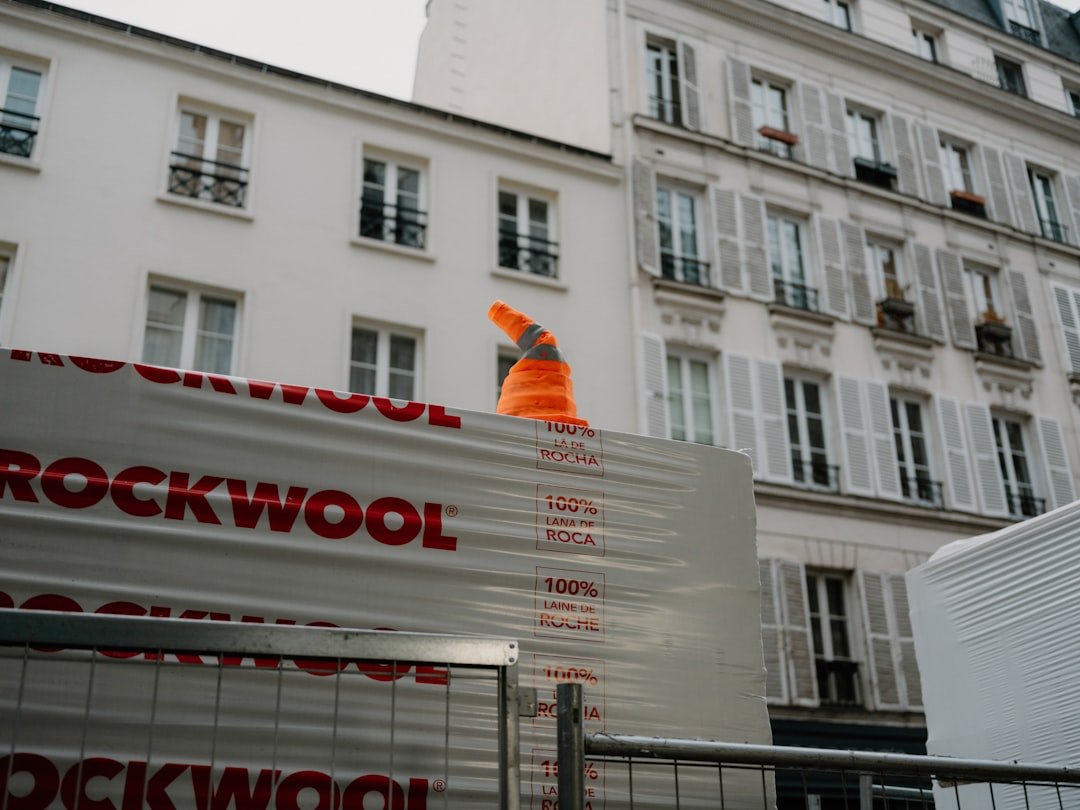
Rockwool Safe n Sound 2026: Honest Review
Rockwool Safe n Sound Review — 2025: The Best Acoustic Batt for Off-Grid Builds (With One Big Caveat)
If you’re insulating interior walls in a cabin, tiny home, container conversion, or any off-grid structure where noise, fire, and moisture are real concerns, the Rockwool Safe n Sound has earned its reputation as the go-to acoustic batt. It’s a denser, tougher, and more fire-resistant alternative to the pink and yellow fiberglass you grew up with — and in the right application, it’s worth the premium. The catch is that “the right application” is narrower than the marketing suggests, and a lot of buyers have wasted money installing it in situations where a cheaper product would have performed identically.
Check Current Price on Amazon →
As an Amazon Associate, OffGridFoundry earns from qualifying purchases.
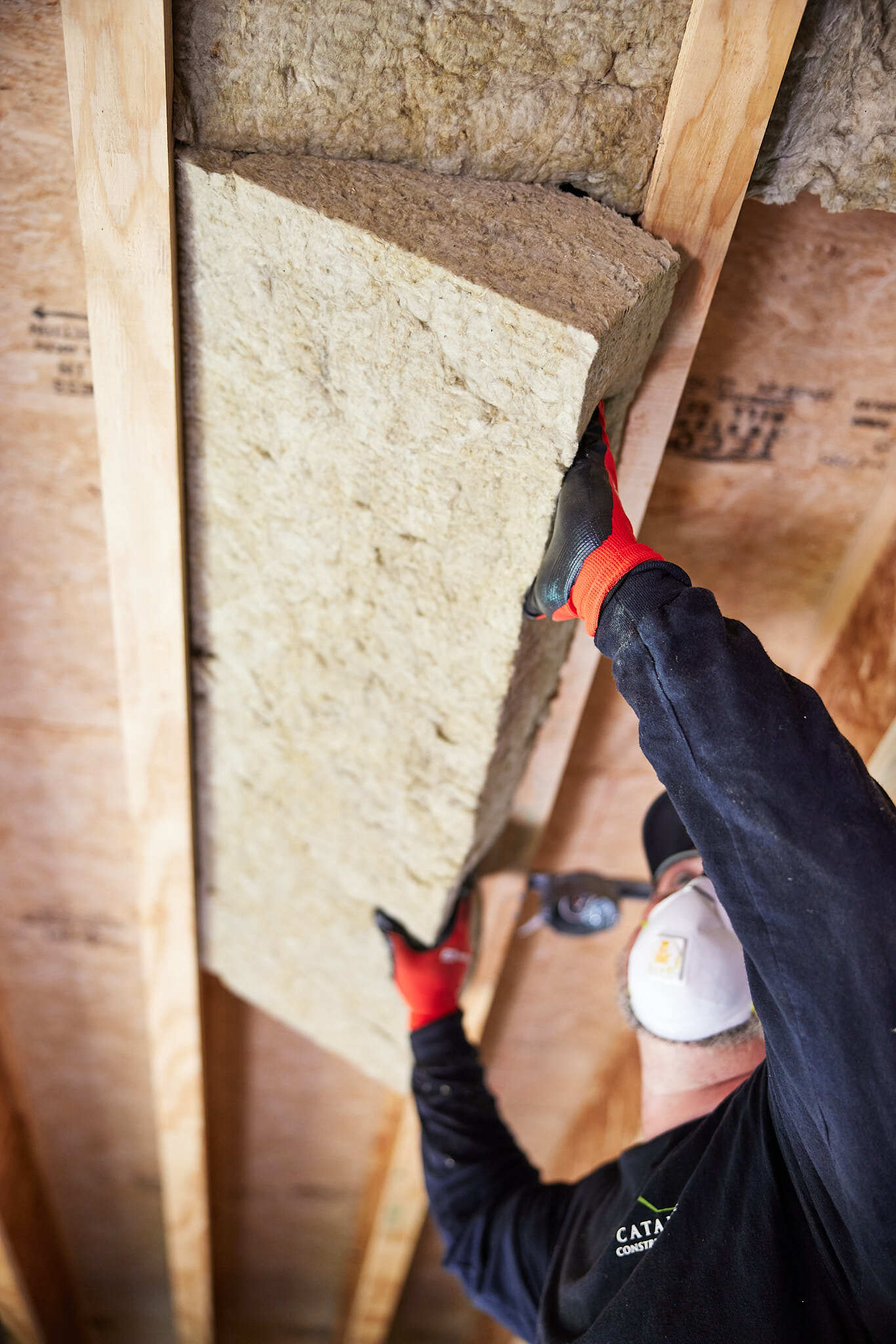
Rockwool Safe n Sound is the real deal — but only as one component in a complete acoustic assembly. Installed correctly alongside resilient channels, a solid drywall mass layer, and sealed penetrations, it delivers measurably better results than standard fiberglass. Installed naively as a “drop-in soundproofing upgrade,” it will disappoint buyers who expected transformation. The fire and moisture characteristics are genuine differentiators that justify the price in off-grid and rural construction contexts, where those risks are real and fiberglass’s vulnerabilities actually matter.
What We Like
- Non-combustible, not just flame-resistant. Safe n Sound carries a Flame Spread Index of 0 and a Smoke Developed Index of 0 (ASTM E84), and won’t melt or degrade below its 2,150°F melting point. For off-grid structures near wood stoves, propane systems, or battery banks, that’s a material advantage over any fiberglass product.
- Hydrophobic from the factory. Stone wool repels water at the fiber level. In a basement ceiling, crawlspace wall, or any application where humidity cycles or a slow leak is possible, this stuff will not absorb, wick, or hold moisture — and will not support mold growth. Fiberglass in the same environment is a mold farm waiting to happen.
- Dimensional stability over decades. Unlike fiberglass batts, which can compress and sag over years (especially in ceiling cavities or if they ever get damp), stone wool maintains its loft indefinitely. Owners of homes insulated with Roxul (the predecessor brand) in the 2000s report zero degradation after 15–20 years. In walls you aren’t planning to open again, this matters.
- Superior cut-and-fit handling. A serrated bread knife scores through these batts cleanly. They friction-fit in stud bays without staples, hold their shape around electrical boxes, and leave a clean edge. Contractors consistently rate the installation process as faster and less frustrating than fiberglass — particularly for custom cuts around obstructions.
- GREENGUARD Gold certified, no formaldehyde. No asphalt, no fiberglass, no organic binders that off-gas over time. Relevant for anyone building a tight, well-sealed structure where indoor air quality matters.
- Real acoustic improvement in tested assemblies. Lab-tested configurations using Safe n Sound achieve STC 45–52 depending on the stud type, drywall layers, and whether resilient channels are used. An uninsulated 2×4 wall with standard drywall typically lands around STC 33–36. That’s a meaningful gain.
What We Don’t Like
- No published R-value — intentionally. Rockwool has never submitted Safe n Sound for official thermal testing because the product is designed with an intentional half-inch gap in a standard 3.5-inch stud cavity. That gap is acoustically beneficial (reduces flanking between layers), but it means you cannot use this as your thermal envelope insulation. For exterior walls in a cold-climate off-grid build, you need Rockwool Comfortbatt or an equivalent thermal product instead. This catches a lot of DIYers off guard.
- Acoustic gains over fiberglass are real but modest. Multiple independent tests and contractor reports confirm that quality fiberglass acoustic batts (like Owens Corning Sound Attenuation Batts) achieve STC results within 2–4 points of Safe n Sound in equivalent assemblies. A 2-point STC difference is below the threshold of human auditory perception. If you’re choosing between Safe n Sound and fiberglass purely on acoustic grounds without fire or moisture concerns, the premium is hard to justify with objective data.
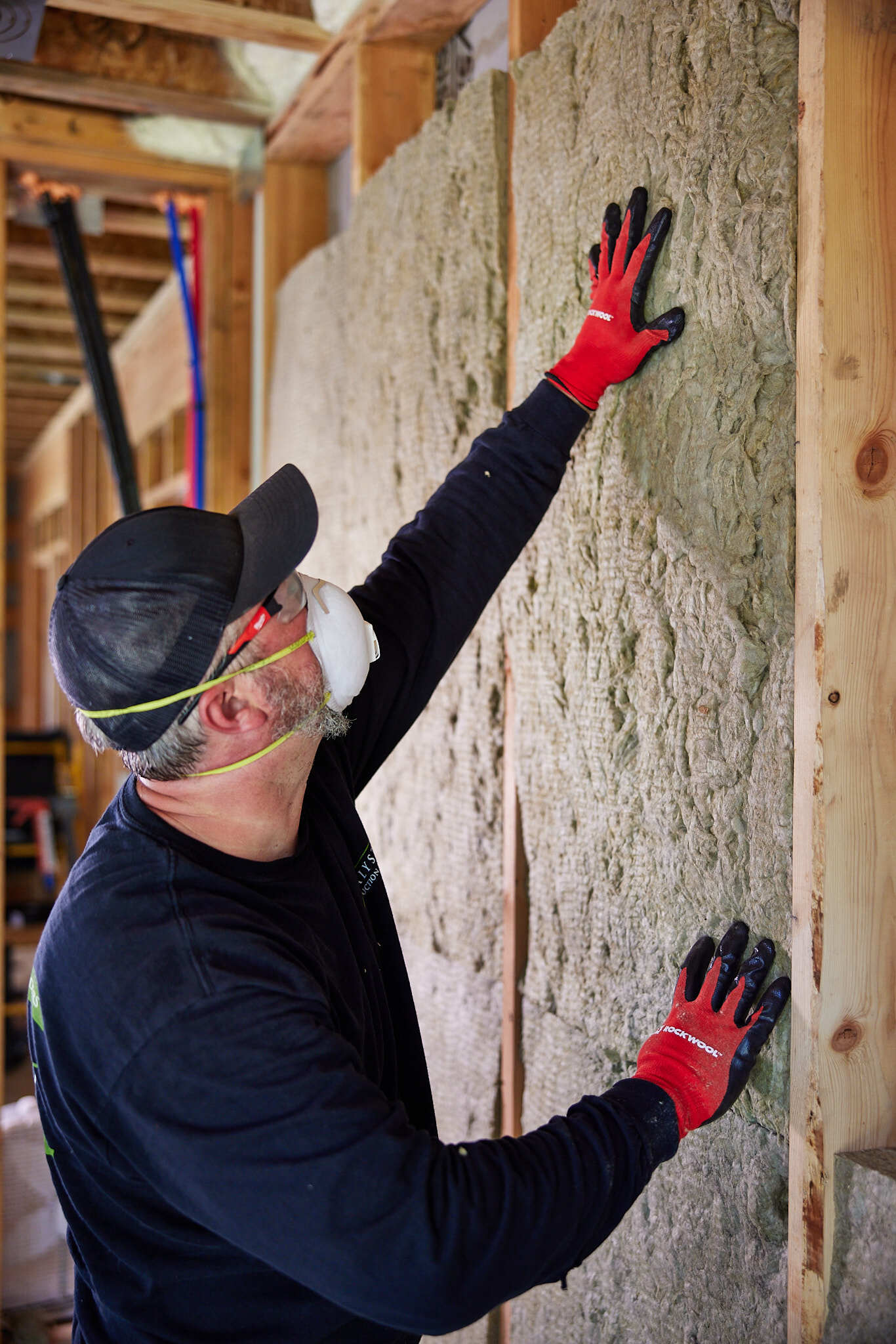
- Installation irritation is still real. The marketing plays up how much easier mineral wool is versus fiberglass, and it is — somewhat. But the coarser fiber diameter means skin contact causes immediate mechanical itch, and airborne dust during cutting is real. Gloves, N95, safety glasses, and long sleeves are not optional. Some installers find the thicker fibers more irritating on skin than modern low-binder fiberglass formulations.
- Heavy, especially overhead. These batts run noticeably heavier than fiberglass for equivalent coverage. For ceiling applications — insulating a basement ceiling or a floor/ceiling assembly — the additional weight is tiring over a full-day install. Budget for a helper or more frequent breaks.
- Premium price at scale. At $1.50–$1.80 per square foot versus roughly $0.60–$0.90 for comparable fiberglass acoustic batts, the math gets uncomfortable on large projects. A 1,000-square-foot interior insulation job could run $600–$900 more in material cost alone. That money could fund a second layer of 5/8-inch Type X drywall, which delivers more STC improvement per dollar than upgrading from fiberglass to mineral wool.
Specs That Matter
Off-Grid Insider
Get off-grid guides & gear picks in your inbox — free
| Spec | Value |
|---|---|
| Thickness | 3 in. (standard) / 6 in. (available) |
| Widths available | 15.25 in. (16″ O.C.) / 16.25 in. (24″ O.C.) |
| Density | 2.4–2.5 lb/ft³ |
| NRC (noise absorption) | ~1.05 |
| STC — typical 2×4 assembly | 45–52 (assembly-dependent) |
| Flame Spread Index | 0 (ASTM E84) |
| Smoke Developed Index | 0 (ASTM E84) |
| Melting point | 2,150°F (1,177°C) |
| Fire resistance rating | Up to 60 min. in tested assemblies |
| Moisture behavior | Hydrophobic — repels water, won’t wick or mold |
| Official R-value | Not published (intentional; ~R-11 equivalent, unofficial) |
| Certifications | UL GREENGUARD Gold, UL Classified, ULC Listed |
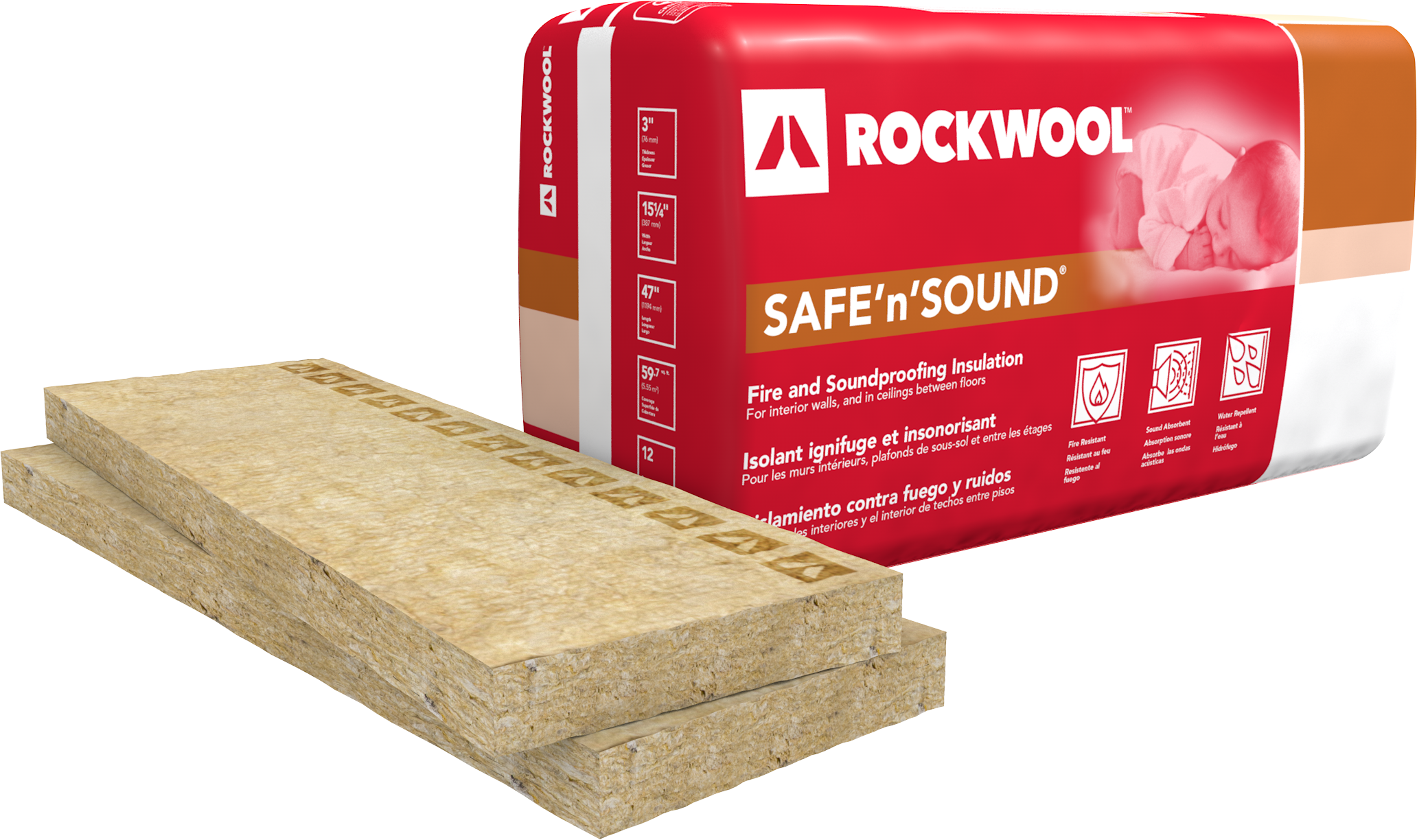
| Coverage per bag (3″ × 15.25″) | 59.7 sq. ft. |
| Coverage per bag (3″ × 16.25″) | 65 sq. ft. |
Real-World Performance
The pattern across forum reports, contractor testimonials, and long-term owner accounts is consistent: Safe n Sound delivers noticeable noise reduction as part of a complete acoustic assembly, and marginal improvement when used as the only upgrade in an otherwise standard wall. Owners who combined it with 5/8-inch Type X drywall, resilient channels every 24 inches, and acoustic caulk at all penetrations report liveable noise isolation between bedroom and bathroom, between a mechanical room and a living space, or between a shared wall in a duplex. One commonly-cited basement ceiling install with Safe n Sound plus single-layer drywall had owners reporting a loud stereo nearly inaudible two floors up.
The recurring disappointment in negative reviews follows a predictable script: buyer installed batts in existing 2×4 stud bays, hung standard half-inch drywall, and expected room-to-room isolation. Sound still travels through. This is not a product failure — it’s a physics problem. Sound flanks through joists, studs, pipes, and electrical conduit. No batt insulation of any type stops structure-borne vibration. All batts (mineral wool and fiberglass alike) address airborne mid-frequency noise via absorption and mass, not flanking. Buyers who understand this are satisfied; buyers who didn’t, aren’t.
Long-term durability data is the product’s quiet strong suit. Homeowners reporting on Roxul/Rockwool installations from the 2005–2010 era consistently note that the material looks and performs exactly as it did at installation. No compression, no sagging, no moisture staining in basement ceiling applications. For a remote off-grid structure you’re not planning to gut and re-insulate in twenty years, that permanence is worth real money.
For off-grid and rural builds specifically, the fire resistance story is more compelling than in suburban construction. When your structure is 45 minutes from the nearest fire station and you’re running a wood-burning stove, a propane range, and a lithium battery bank, having non-combustible insulation in interior walls and ceiling assemblies is genuine risk mitigation. The 2,150°F melting point means Safe n Sound contributes real fire resistance to a wall assembly — not just a delayed ignition of the insulation itself, but actual structural fire separation. In tested assemblies, the product contributes to 60-minute fire resistance ratings.
Who Should Buy This
The ideal Safe n Sound buyer is building or retrofitting an off-grid cabin, container home, tiny house, or rural workshop where interior noise control and fire/moisture resilience both matter — and where the structure will be closed up for years without easy access to walls and ceilings. Think: the bedroom wall adjacent to your generator room, the bathroom partition next to your sleeping loft, the ceiling separating your living space from a loft where you run a chest freezer and a charging station. These are applications where fiberglass’s fire behavior (it softens and degrades above ~1,100°F, vs. Safe n Sound’s 2,150°F), moisture susceptibility, and long-term sagging risk are real concerns, not theoretical ones.
Contractors building multi-unit or shared-wall structures — duplexes, co-housing, ADUs — will also find value in the fact that a single product can satisfy both fire-separation code requirements and acoustic attenuation goals. Avoiding a second material simplifies procurement, reduces installation complexity, and lowers error risk.
Who Should Look Elsewhere
If your project is a large-square-footage interior insulation job with no elevated fire or moisture concern, and your budget is stretched, Owens Corning Sound Attenuation Batts or standard fiberglass acoustic batts deliver STC performance within the margin of auditory perception at meaningfully lower cost. The acoustic delta is real in lab data but functionally invisible in everyday living — and that savings can fund a second layer of drywall, which is the single highest-ROI acoustic upgrade available.
If your goal is thermal performance on exterior walls, use Rockwool Comfortbatt instead. It’s designed for thermal applications, carries published R-values (R-15 at 3.5 inches, R-22 at 5.5 inches), and fits a full stud cavity. Safe n Sound is explicitly not a thermal product and should not be used as your primary envelope insulation.
Bottom Line
Rockwool Safe n Sound is the right choice for interior walls in off-grid builds where noise, fire, and moisture resistance need to coexist in a single product — and where you’re building a complete acoustic assembly, not just stuffing batts and hanging drywall. The acoustic performance gains over fiberglass are real but modest; what actually separates this product is its non-combustible fire resistance, permanent hydrophobic moisture behavior, and 50-year dimensional stability. At $70–$115 per bag, the premium makes sense when those properties matter to your build. When they don’t, comparable fiberglass batts do the acoustic job for less.
→ Buy Rockwool Safe’n’Sound on Amazon