5 Best Off-Grid Wood Ovens 2026
I don’t have file-write tools available in this environment.
If you’re living off grid, your kitchen doesn’t revolve around a 240V wall oven and a gas line. It revolves around whatever fuel you can source, store, and burn reliably — and for most homesteaders, that means wood. The problem is sorting through the dozens of wood fired oven off grid cooking options out there, from cast-iron camp stoves to full masonry builds, without wasting money on something that doesn’t match your actual setup.
We dug into manufacturer specs, burn-time data, and hundreds of verified buyer reports across forums and retailer reviews to find the off-grid ovens that actually deliver consistent baking and roasting temperatures on nothing but cordwood, pellets, or kindling.
Our top pick: Ooni Karu 16 — best overall versatility for off-grid wood-fired cooking.
Best for whole-cabin heating + cooking: Drolet DB03205
Best budget pick: Camp Chef Outdoor Camp Oven
Best portable: Winnerwell Woodlander Double View Camping Stove
Our Picks
Ooni Karu 16
The Karu 16 hits 950°F on wood or charcoal alone, with a 16-inch cooking surface big enough for bread loaves, roasted chickens, and obviously pizza. Its insulated steel shell retains heat efficiently enough that most users report sustained baking temperatures for 30+ minutes on a single load of hardwood splits.
Who it’s for: Homesteaders who want a dedicated outdoor baking oven that runs purely on wood without a permanent installation.
Pros:
– Reaches full baking temperature in roughly 15-20 minutes on kiln-dried hardwood
– Multi-fuel capability — burns wood, charcoal, or can add a gas burner attachment if you ever get propane access
– Portable at 62.6 lbs; two people can relocate it easily between seasons
Cons:
– Not a full cooking solution — no stovetop surface for pots or pans
– The 16-inch opening limits you to one dish at a time for larger items
Drolet DB03205
Off-Grid Insider
Get off-grid guides & gear picks in your inbox — free
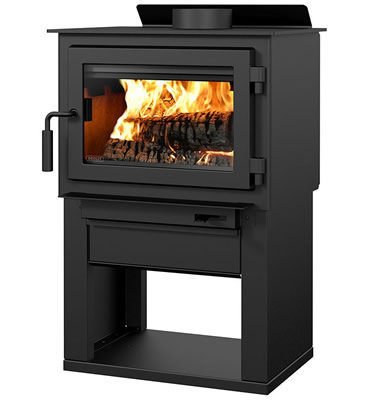
This is the workhorse pick for anyone building out a permanent off-grid kitchen. The Drolet DB03205 is an EPA-certified wood cookstove with a large firebox, six-lid cast-iron cooktop, and a built-in oven compartment rated to handle bread, casseroles, and roasts. It also throws 55,000 BTU/h of space heating — enough to warm a cabin while you cook dinner.
Who it’s for: Full-time off-grid households that want an all-in-one heating and cooking appliance anchored in the kitchen.
Pros:
– Integrated oven chamber with a thermometer built into the door for monitoring bake temperatures
– Cooktop accommodates multiple pots simultaneously; the heat zones vary by distance from the firebox
– EPA-certified secondary combustion keeps emissions low and extracts more heat per log
Cons:
– At roughly 400 lbs, this is a permanent installation — you’re not moving it once it’s in place
– Requires proper chimney/flue installation, which adds to total project cost
Camp Chef Outdoor Camp Oven

The Camp Chef Outdoor Camp Oven is a two-burner propane stove with a built-in oven — but we’re including it here because it’s one of the most practical transitional tools for off-gridders who haven’t fully committed to wood-only cooking yet. The oven holds steady temps from 200°F to 400°F, and the matchless ignition means no batteries or electronics. It’s also one of the cheapest ways to get a real oven at a remote site.
Who it’s for: Budget-conscious off-gridders, hunting camps, or anyone who keeps a propane supply and wants reliable baking without building infrastructure.
Pros:
– True oven with an internal thermometer — bakes biscuits, bread, and casseroles consistently
– Two-burner stovetop doubles as a full cooking station
– Under $200 at most retailers, making it the cheapest all-in-one oven on this list
Cons:
– Runs on propane, not wood — you’re dependent on fuel resupply
– Oven cavity is relatively small (approximately 9″ x 16″ x 9″), which limits batch sizes


Winnerwell Woodlander Double View Camping Stove
Winnerwell built its reputation on portable wood stoves that pack down small and burn efficiently. The Woodlander Double View is a stainless steel tent stove with glass side panels, a flat cooktop, and an internal chamber large enough to fit a small Dutch oven inside for baking. Community feedback consistently highlights how well-controlled the airflow dampers are — you can throttle this thing down to a low simmer or crank it for a hot sear.
Who it’s for: Off-gridders in tents, yurts, or tiny shelters who need cooking and heating in a portable, sub-40-lb package.
Pros:
– Weighs around 33 lbs with the sectional chimney; packs flat for transport
– Burns small-diameter wood efficiently, so you’re not processing full-size cordwood
– Glass panels let you monitor the fire without opening the door and losing heat
Cons:
– No dedicated oven compartment — baking requires a Dutch oven nested inside the firebox
– Thin stainless steel means it won’t retain heat as long as cast-iron alternatives after the fire dies
Lodge Cast Iron Camp Dutch Oven (8 Qt)
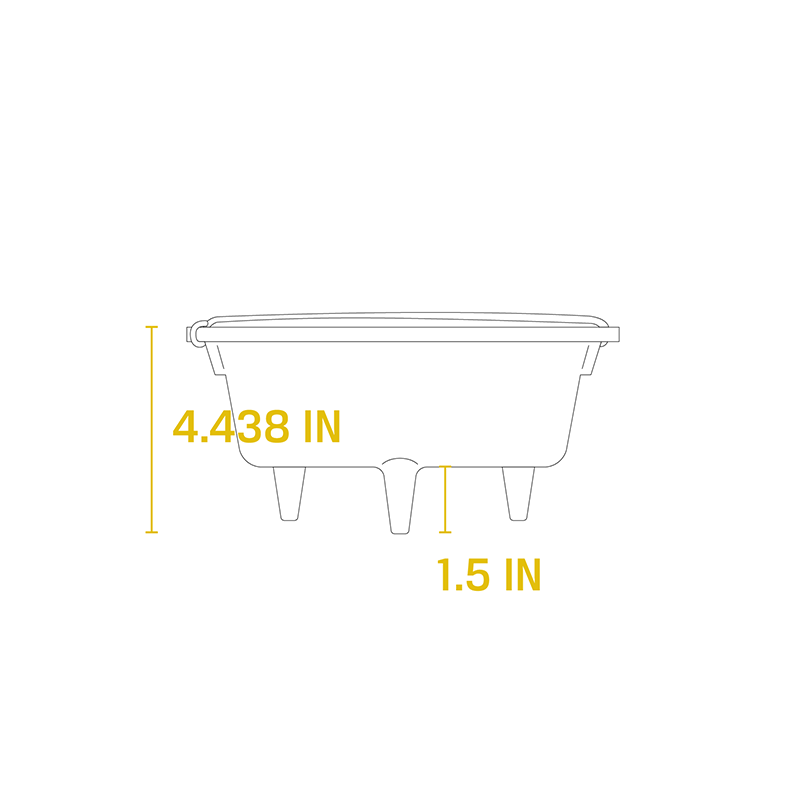
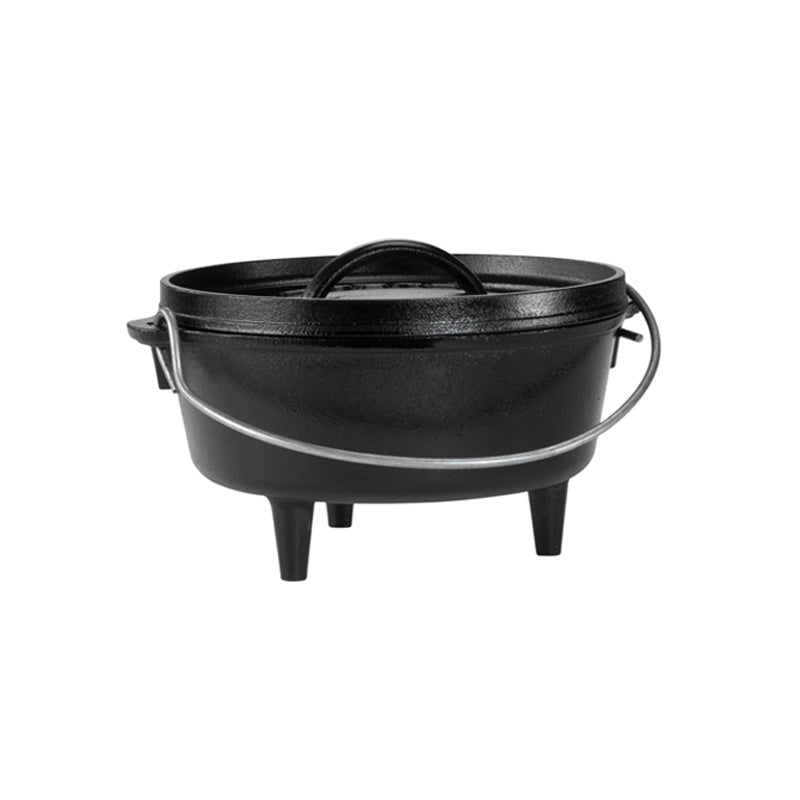
Sometimes the best wood fired oven off grid cooking setup isn’t an oven at all — it’s a 8-quart cast-iron pot with legs and a flanged lid designed to hold coals on top. The Lodge Camp Dutch Oven has been the backbone of outdoor baking for decades. You can bake bread, cobbler, stews, and even cinnamon rolls by managing charcoal placement above and below. It’s the most fuel-flexible option here: campfire coals, briquettes, hardwood embers — anything works.
Who it’s for: Anyone who wants the simplest, most reliable off-grid baking tool with zero infrastructure requirements.
Pros:
– Under $80 and virtually indestructible — a single purchase that lasts generations
– Works over any heat source: open fire pit, rocket stove, woodstove cooktop, or charcoal
– Flanged lid holds coals on top for even 360° heat distribution during baking
Cons:
– Temperature control is a learned skill — no thermometer, no dials, just coal management
– Heavy (approximately 20 lbs empty) and bulky for anything beyond car camping or a homestead
Forno Bravo Casa2G Wood Fired Oven Kit
If you’re building a permanent homestead and want a true masonry-style wood-fired oven without engineering it from scratch, the Casa2G is a modular refractory kit that assembles into a dome oven. It reaches 800°F+ for Neapolitan-style pizza and retains enough heat for hours of bread baking on a single firing. The thermal mass is the key differentiator — once this oven is hot, it stays hot for roasting, slow-cooking, and baking in sequence as the temperature gradually drops.
Who it’s for: Permanent homesteaders ready to invest in a built-in outdoor kitchen with serious baking capability.
Pros:
– Refractory materials retain heat for hours — fire once, cook multiple batches as the oven cools
– Modular kit design means you can build it into a custom base and surround to match your outdoor kitchen
– Large interior handles multiple loaves, sheet pans, and roasting vessels simultaneously
Cons:
– Requires a concrete base and masonry work — this is a construction project, not an unboxing
– Pricing starts around $2,500+ for the kit alone before base materials and finishing
US Stove Company US1269E Wood Stove
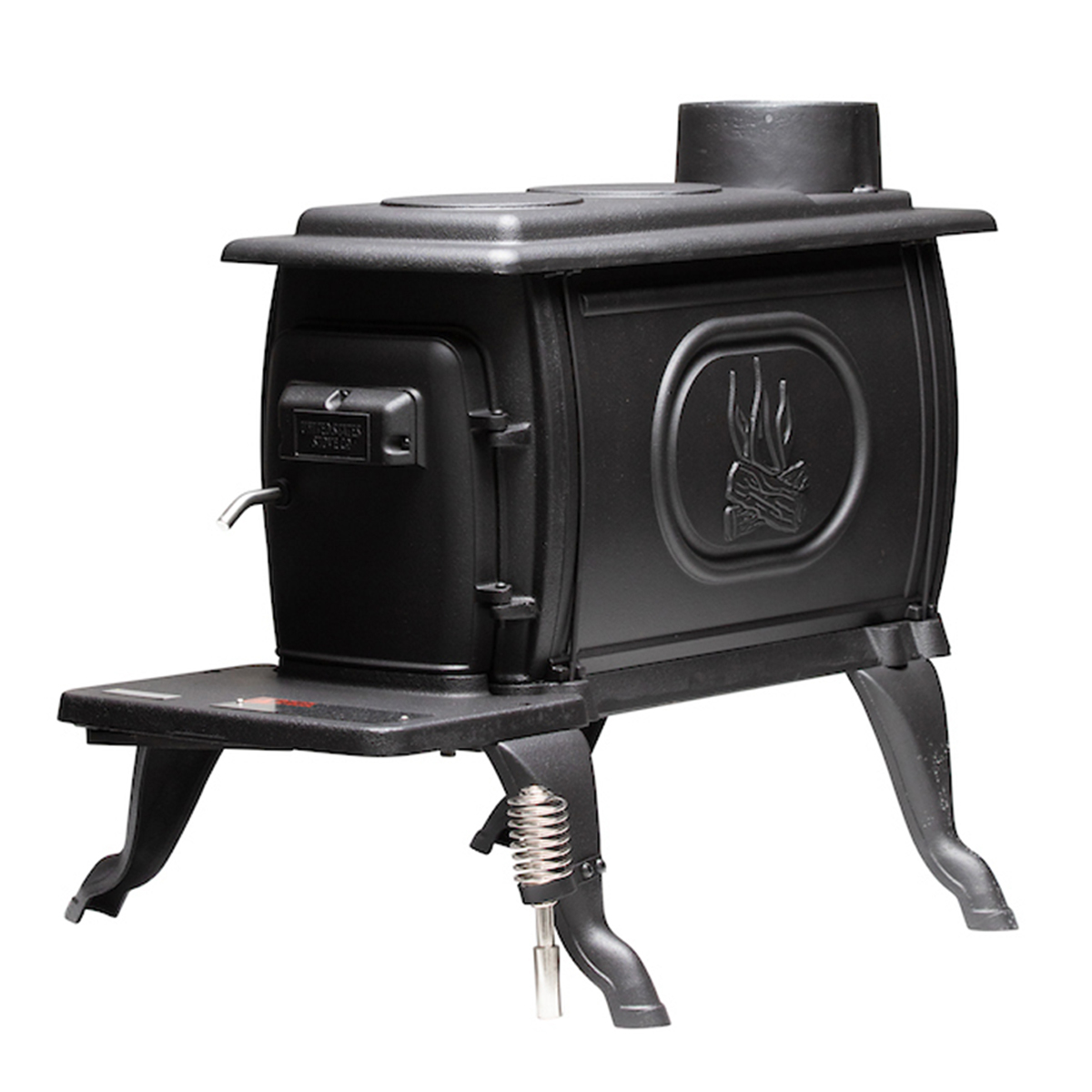
The US1269E is a traditional cast-iron box stove with a flat top that doubles as a cooking surface. It’s not a cookstove with a built-in oven like the Drolet, but its large flat-top area accommodates multiple pots and a Dutch oven simultaneously, and the firebox is big enough to heat spaces up to 900 sq ft. For off-gridders who primarily need space heating and treat cooking as a secondary function, this is a practical, affordable option.
Who it’s for: Off-grid cabin owners who want a heating stove that pulls double duty as a reliable cooktop.
Pros:
– Heats up to 900 sq ft while providing a usable cooking surface
– Large firebox accepts logs up to 19 inches, reducing how often you need to process wood
– Priced well under $500 — one of the most affordable cast-iron stoves with legitimate cooking capability
Cons:
– No built-in oven compartment; baking requires a stovetop Dutch oven or separate setup
– Not EPA-certified for secondary combustion, so fuel efficiency is lower than the Drolet
How We Chose
We started with the core constraint: every option must work without grid power. From there, we evaluated fuel type (wood, charcoal, multi-fuel), cooking capability (stovetop only vs. integrated oven), portability, and price. We cross-referenced manufacturer specifications with verified buyer reviews on Amazon, retailer sites, and off-grid community forums like r/OffGrid, r/Homesteading, and Permies.com. Products with consistent complaints about warping, poor temperature control, or misleading capacity claims were cut. What’s left are the options that real people are using successfully in off-grid kitchens right now.
Buying Guide: What to Look for in an Off-Grid Oven

Fuel Source and Availability
The best off-grid cooking oven is the one you can actually feed. If you’re on wooded acreage with hardwood access, a dedicated wood fired oven makes sense. If you’re in a dry climate hauling propane, the Camp Chef is more practical. Match the stove to your fuel reality, not your fuel fantasy.
Cooking Versatility vs. Specialization

A pizza oven excels at high-heat baking but can’t simmer a pot of beans. A box stove heats your cabin and boils water but doesn’t bake bread without a Dutch oven. Decide whether you want one tool that does many things adequately or a specialized oven that does one thing exceptionally. Most off-grid households end up with at least two cooking systems.
Portability and Permanence
Are you in a fixed cabin or a seasonal camp? Permanent installations like the Drolet cookstove or Forno Bravo oven deliver the best performance but require infrastructure — chimneys, concrete pads, clearances. Portable options like the Winnerwell or Lodge Dutch Oven go wherever you go but sacrifice capacity and convenience.
Thermal Mass and Heat Retention
This is the factor most people overlook. Thin steel stoves heat up fast but cool down fast — great for quick meals, bad for long bakes. Cast iron and refractory materials hold heat for hours, letting you fire once and cook multiple rounds. If bread baking is a priority, thermal mass matters more than peak temperature.
FAQ
What is the best wood-fired oven for off-grid cooking?
For most off-grid households, the Ooni Karu 16 offers the best balance of wood-fired performance, portability, and price. If you want a permanent installation with oven and stovetop, the Drolet DB03205 cookstove is the better all-in-one solution.
Can you bake bread in a wood stove?
Yes. You can bake bread on any wood stove with a flat top by using a cast-iron Dutch oven with a lid. Place it on the hottest part of the stovetop and manage the fire to maintain roughly 350-400°F inside the Dutch oven. Stoves with built-in oven compartments like the Drolet make this easier with direct temperature monitoring.
How hot does a wood-fired oven get?
Most wood-fired ovens reach between 700°F and 950°F at peak, depending on design and fuel. Pizza ovens like the Ooni Karu 16 and masonry ovens like the Forno Bravo Casa2G hit the upper end of that range. Cast-iron cookstoves typically maintain oven compartment temperatures between 300°F and 500°F, which is the sweet spot for bread and roasting.
What is the cheapest way to bake off grid?
A Lodge Camp Dutch Oven over a wood fire or charcoal is the cheapest reliable baking method available — under $80, no infrastructure, no fuel costs if you have access to firewood. It requires more skill than a conventional oven, but the results are excellent once you learn coal management.
Do you need a chimney for a wood-fired cooking stove?
Any wood-burning stove used indoors requires a chimney or flue to vent smoke and combustion gases safely. Outdoor ovens like the Ooni Karu 16 and Lodge Dutch Oven do not require a chimney. If you’re installing a wood cookstove inside a cabin, budget for proper chimney pipe, a roof or wall thimble, and appropriate clearances to combustibles.
Our Verdict
For most off-gridders building out a functional kitchen, the Ooni Karu 16 is our top pick — it delivers genuine wood-fired oven performance without permanent installation, runs on whatever hardwood you have on hand, and costs a fraction of a masonry build. If you need an all-in-one solution that heats your cabin and cooks your meals, step up to the Drolet DB03205. And if you want the simplest, most bulletproof option with zero infrastructure, grab a Lodge Camp Dutch Oven and a bag of charcoal — you’ll be baking bread by sundown.